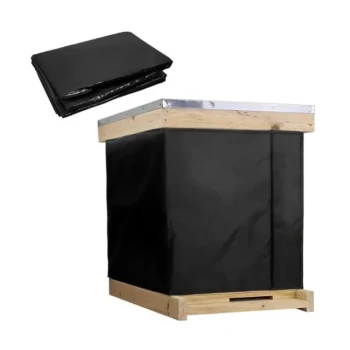
Insulation consumables serve as a critical physical thermal barrier that prevents the rapid dissipation of heat from the hive. By wrapping or covering the hive with materials like gunny bags, straw, or specialized covers, you actively reduce the thermal conductivity between the colony and the freezing outdoor environment.
The primary function of these materials is to minimize the energy expenditure of the colony. By retaining hive heat, worker bees are not required to consume as many resources to generate warmth, which is the deciding factor in winter survival rates.
The Mechanics of Thermal Regulation
Establishing a Thermal Barrier
The core function of insulation consumables is to create an envelope around the hive. Whether placed on top or wrapped around the exterior, these materials interrupt the transfer of heat. This physical thermal barrier ensures that the warmth generated by the bee cluster remains effective for longer periods.
Buffering Against Temperature Spikes
Beyond simple heat retention, insulation acts as a buffer against extreme diurnal temperature fluctuations. This is particularly vital in northern temperate regions where day and night temperatures vary drastically. The insulation smooths out these spikes, maintaining a more stable internal environment.
Energy Dynamics and Survival
Reducing Metabolic Workload
Worker bees maintain nest temperature through physical exertion and metabolic activity. When heat loss is unchecked, bees must consume more food stores and vibrate their wing muscles more intensely to compensate. Insulation directly reduces this energy consumption, lowering the physiological stress on the colony.
Improving Winter Survival Rates
The direct correlation between insulation and survival is based on resource management. By reducing the caloric burn required to stay warm, the colony is less likely to starve or die from exhaustion. The use of these consumables significantly increases the survival rate of honeybees during the winter season.
Understanding Material Standards and Limitations
The Requirement for Natural Materials
While synthetic insulators exist, they are often prohibited in biological beekeeping. Regulations frequently mandate the use of natural fillers to ensure the hive environment remains free from synthetic contaminants.
Adhering to Biological Protocols
Consumables like straw and gunny bags are not just traditional choices; they are often regulatory necessities. These natural materials provide essential thermal protection while maintaining the purity of the internal hive environment required for organic or biological certification.
Optimizing Wintering Strategies
To select the right insulation strategy for your apiary, consider your specific operational goals.
- If your primary focus is Colony Survival: Prioritize maximum coverage with high-efficiency consumables to minimize the metabolic energy cost for your worker bees.
- If your primary focus is Regulatory Compliance: Ensure you utilize natural insulation pillows or fillers like straw to adhere to biological beekeeping prohibitions against synthetics.
Effective wintering is not just about keeping bees warm; it is about preserving their energy reserves to ensure a strong start in the spring.
Summary Table:
| Feature | Function & Impact | Benefit to Colony |
|---|---|---|
| Thermal Barrier | Prevents rapid heat dissipation through hive walls | Maintains stable internal nest temperature |
| Metabolic Buffer | Reduces the need for bees to vibrate wing muscles | Minimizes honey store consumption and fatigue |
| Temperature Regulation | Smooths out extreme diurnal temperature spikes | Prevents physiological stress from rapid fluctuations |
| Material Purity | Utilizes natural fillers like straw or gunny bags | Ensures compliance with biological beekeeping standards |
Secure Your Apiary’s Success with HONESTBEE
At HONESTBEE, we understand that winter survival is the foundation of a productive season. As a dedicated partner to commercial apiaries and distributors, we provide a comprehensive range of high-quality wintering consumables and specialized beekeeping machinery designed for scale and efficiency.
From natural insulation materials that meet strict biological protocols to advanced honey-processing equipment, our wholesale portfolio is built to support your growth. Our expertise ensures your colonies remain resilient and your operations remain profitable.
Ready to optimize your wintering strategy? Contact HONESTBEE Today to explore our wholesale equipment and consumable solutions.
References
- Ghanshyam KC, Kapil Kafle. PRODUCTION AND MANAGEMENT OF HONEY BEE IN DANG DISTRICT OF NEPAL. DOI: 10.26480/faer.02.2021.101.106
This article is also based on technical information from HonestBee Knowledge Base .
Related Products
- Professional Insulated Winter Hive Wrap for Beekeeping
- Professional Insulated Plastic Bee Hives
- Inner Beehive Cover for Beekeeping Bee Hive Inner Cover
- White Cotton Beekeeping Jacket and Veil for Bee Keepers
- Beekeeping Jacket with Hood and Veil for Beekeepers
People Also Ask
- What are the steps to properly wrap a beehive for winter? Ensure Your Colony Survives the Cold
- When is the best time to wrap a beehive for winter? A Guide to Perfect Winterization Timing
- How do professional insulation wraps provide protection for bee colonies? Optimize Winter Survival & Energy Efficiency
- What are the technical benefits of using winter wraps for beehive insulation? Boost Colony Survival & Hive Health
- What are the benefits of using insulated covers for hives? Ensure Colony Survival and Health