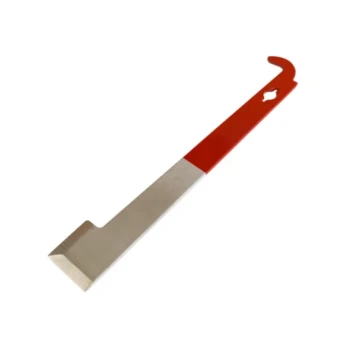
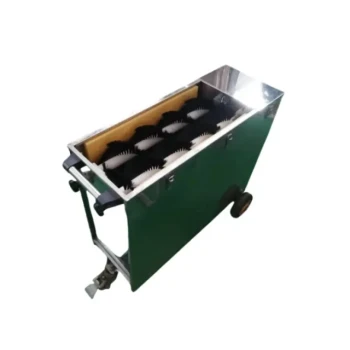
Late fall serves as the critical rehabilitation period for your apiary operation. As bee activity minimizes, your primary focus must shift to inspecting all tools and machinery to objectively determine which items require repair or total replacement. This dormant window is also the designated time to build, paint, and order new woodenware to ensure readiness for the upcoming spring season.
Effective apiary management relies on utilizing the dormant months of November and December to restore gear and expand inventory. Prioritizing repair, construction, and procurement now prevents equipment failure during the high-pressure spring rush.
Evaluating the State of Your Gear
Inspection and Triage
Once bee activity slows, you must conduct a thorough audit of your tools and machinery. November and December are the ideal months for this task.
Examine every piece of equipment to decide if it is serviceable. Separate items that can be repaired from those that have reached the end of their lifecycle and need replacement.
Restoring Machinery
Do not leave mechanical maintenance for the spring. Address any issues with machinery now while the equipment is idle.
Clean, sharpen, or calibrate tools as necessary. This ensures they are safe and efficient when the active season begins.
Managing Hive Components and Woodenware
Construction and Preservation
Late fall is the optimal time to build new hives. assembling them now prevents a bottleneck when the bees become active.
You should also paint new and existing woodenware during this period. Painting now allows sufficient time for the paint to cure and off-gas before bees are introduced in the spring.
Strategic Procurement
Use this downtime to order necessary supplies for the next season. This includes ordering new woodenware to replace broken components or to expand your operation.
This is also the correct window to order package bees and specialized hardware. Securing these items early ensures availability and proper delivery timing.
Common Pitfalls to Avoid
Neglecting Protective Equipment
While focusing on tools, do not overlook the protective hardware installed directly on the hives. Failing to install mouse guards in October can lead to destroyed comb and colony loss over winter.
Ignoring Environmental Control
Ensure your equipment setup includes proper ventilation and moisture control components. Poorly ventilated hives can cause moisture buildup, which is often more lethal to bees than the cold itself.
Procrastination
A major error is delaying these tasks until late winter. The window for maintenance is specifically November and December. Waiting longer risks overlapping with early spring preparation, doubling your workload.
Making the Right Choice for Your Goal
To maximize your efficiency this offseason, prioritize your tasks based on your operational needs:
- If your primary focus is Equipment Longevity: Dedicate November to cleaning, sharpening, and repairing existing tools to extend their service life.
- If your primary focus is Apiary Expansion: Prioritize ordering package bees and building/painting new woodenware in December to ensure capacity for spring growth.
A prepared beekeeper treats the late fall not as an end to the season, but as the foundation for the next one.
Summary Table:
| Maintenance Category | Key Task | Timing | Objective |
|---|---|---|---|
| Gear Audit | Inspect & Triage Tools | Nov - Dec | Identify repairs or replacements needed |
| Woodenware | Build and Paint Hives | Nov - Dec | Ensure paint cures; avoid spring bottlenecks |
| Machinery | Clean, Sharpen, Calibrate | Late Fall | Guarantee operational safety and efficiency |
| Procurement | Order Bees & Supplies | Late Fall | Secure availability and early delivery |
| Protection | Install Mouse Guards | October | Prevent comb destruction and colony loss |
Elevate Your Commercial Apiary with HONESTBEE
Maximize your operation's efficiency and longevity by partnering with a trusted industry leader. HONESTBEE specializes in serving commercial apiaries and distributors with a comprehensive range of high-quality wholesale solutions.
Whether you need to upgrade your facility with professional honey-filling machines, replace essential woodenware, or stock up on beekeeping consumables, we provide the full spectrum of tools and hardware needed to scale your business. Don't let equipment failure hinder your spring production—prepare now with the best in the industry.
Ready to expand or upgrade? Contact us today to discuss our wholesale offerings and how we can support your growth!
Related Products
- HONESTBEE 15-in-1 Beekeeper Multi-Tool with Hammer and Pliers for Beekeeping
- Stainless Steel Queen Grafting Tool for Beekeeping and Bee Queen Grafting
- HONESTBEE Advanced Ergonomic Stainless Steel Hive Tool for Beekeeping
- HONESTBEE Classic Pry Bar Hive Tool with High Visibility Finish for Beekeeping
- Stainless Steel J Hook Hive Tool for Beekeeping
People Also Ask
- What is the recommended method for storing beekeeping tools? Expert Vertical Storage Solutions for Your Apiary
- How does a favorable microclimate interact with beekeeping tools? Boost Overwintering Success and Equipment Longevity
- Why is the treatment of beekeeping tools with high-concentration chemical disinfectants necessary for preventing AFB?
- Why are specialized beekeeping tools and consumables essential? Enhance Colony Management and Honey Yield Today
- What role do specialized beekeeping tools play in pest management? Enhance Apiary Health with Precision Tech