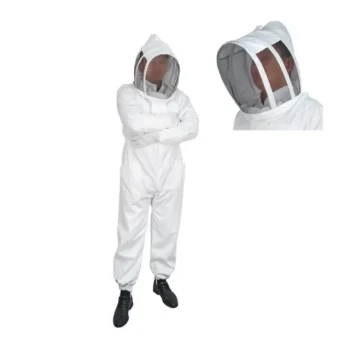
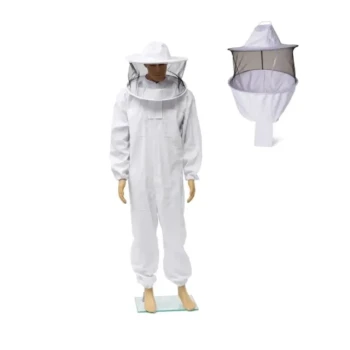
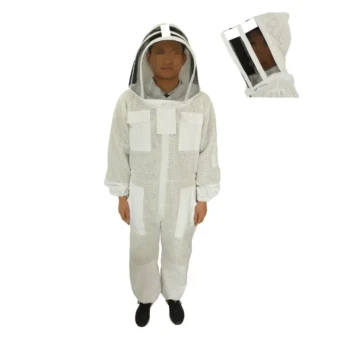
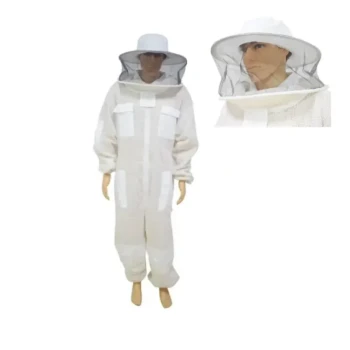
Material selection is the primary determinant of safety and endurance in beekeeping. When choosing a suit, you must prioritize materials that balance sting resistance with breathability, ensuring you are protected from aggressive colonies while preventing heat exhaustion during hive inspections.
Core Takeaway The ideal material depends on your local climate and risk tolerance. While cotton offers superior softness and breathability, polycotton blends provide better durability, and vented synthetic fabrics offer the highest level of protection and cooling for hot environments.
Evaluating Core Fabric Types
Cotton: The Comfort Standard
Cotton is widely favored for its natural breathability and softness. It is generally the most comfortable option for extended wear, making it a common choice for hobbyists in moderate climates.
However, standard cotton is often thinner than synthetic alternatives. While comfortable, it may not offer the same density required for high-level sting protection against aggressive hives.
Polycotton Blends: The Durability Balance
For a robust middle ground, polycotton blends are an excellent option. By merging the comfort of cotton with the resilience of synthetic fibers, these suits offer increased resistance to tears and abrasion.
This material creates a practical balance between protection and wearability. It is generally tougher than pure cotton, providing a longer lifespan for the suit without sacrificing too much comfort.
Vented and Synthetic Fabrics: Maximum Protection
Beekeepers in hot climates or those handling aggressive bees often choose specialized vented synthetic fabrics or triple-layer designs. These materials are engineered to maximize distance between the skin and the sting while allowing air to flow freely.
These suits provide maximum protection while keeping the wearer cool. The multi-layer construction often creates a "sting-proof" depth that single-layer fabrics cannot achieve.
Critical Material Features Beyond Fabric
Color Considerations
The color of the material is not an aesthetic choice; it is a safety feature. You must select white or light pastel colors, as bees instinctively perceive dark colors as threats (resembling natural predators like bears) and are more likely to attack.
Maintenance and Hygiene
Material choice impacts how easily you can prevent the spread of hive diseases. Select fabrics that are machine washable for easy sterilization. Suits with detachable components, such as removable veils, simplify the cleaning process and extend the life of the gear.
Structural Reinforcements
High-quality suits utilize reinforced materials in high-wear areas. Look for reinforced knees and heavy-duty stitching, as these significantly increase the suit's longevity in rugged apiary environments.
Understanding the Trade-offs
Breathability vs. Density
There is an inherent conflict between fabric thickness and heat management. Thicker fabrics generally offer better sting protection but can lead to overheating in warm climates. Conversely, lighter aerated suits prevent heat stress but rely on mesh depth rather than fabric density for safety.
Veil Visibility vs. Durability
The material used for the veil requires a specific balance. It must be non-flammable and durable enough to prevent tears, yet sheer enough to offer clear visibility. High-durability mesh is safer but can slightly obscure vision compared to finer, more fragile materials.
Making the Right Choice for Your Goal
Select the material that aligns with your specific environment and the temperament of your bees.
- If your primary focus is working in high heat: Prioritize vented or aerated synthetic suits, which use layers of mesh to allow airflow while maintaining a sting-proof distance from the skin.
- If your primary focus is durability and general use: Choose a polycotton blend, which offers the best compromise between the softness of cotton and the ruggedness of synthetic fibers.
- If your primary focus is budget and comfort in mild weather: Opt for a 100% cotton suit, provided you are not working with highly aggressive colonies that require thicker armor.
Your suit is your primary barrier against injury; prioritize the material that keeps you safe and cool enough to work effectively.
Summary Table:
| Fabric Type | Primary Benefit | Best Environment | Sting Resistance |
|---|---|---|---|
| 100% Cotton | High Comfort & Breathability | Mild Climates | Moderate |
| Polycotton Blend | Durability & Longevity | General Commercial Use | High |
| Vented Synthetic | Maximum Cooling & Safety | Hot Climates / Aggressive Bees | Exceptional (Triple-Layer) |
| Reinforced Fabrics | Wear Resistance | Rugged Apiary Work | Superior |
Elevate Your Apiary Safety with HONESTBEE
At HONESTBEE, we understand that the right protective gear is the foundation of a successful beekeeping operation. As a dedicated partner to commercial apiaries and distributors, we provide a comprehensive wholesale range of high-performance beekeeping suits, specialized tools, and industrial machinery.
Whether you need breathable vented suits for hot climates or heavy-duty hive-making and honey-filling machines, our portfolio is designed to enhance your efficiency and safety. Contact us today to discover how our premium equipment and essential consumables can support your business growth.
Related Products
- Premium Cotton Beekeeper Suit with Reinforced Fencing Veil
- Professional Cotton Beekeeper Suit with Round Veil Design for Commercial Apiaries
- Professional Beekeeper Suit with Square Folding Cotton Veil
- White Cotton Beekeeping Jacket and Veil for Bee Keepers
- Vented Beekeeping Jacket with Hood and Veil for Beekeepers
People Also Ask
- What material and design specifications are recommended for a high-quality beekeeper suit? Top Gear Selection Guide
- How to Pre-treat Propolis Stains on Beekeeping Suits? Master Advanced Fabric Care and Soil Removal
- What features should be considered for sting protection in a beekeeping suit? Ensure Total Safety and Comfort
- What are the differences between full suits and jackets with veils in beekeeping? Choose Your Best Protection
- What features should be looked for in a beekeeping suit for maximum comfort? Prioritize Ventilation and Fit