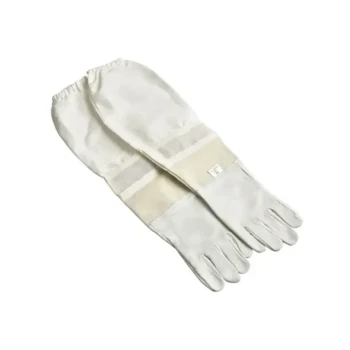
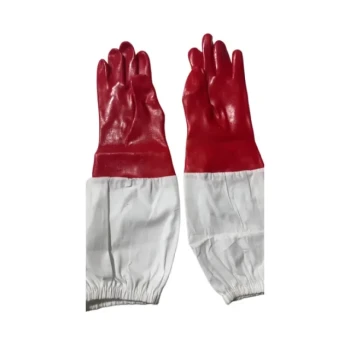
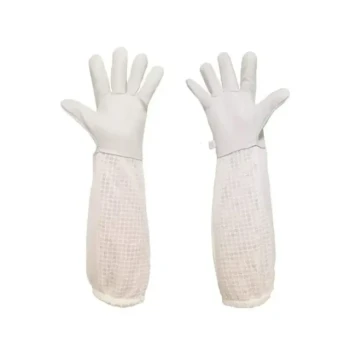
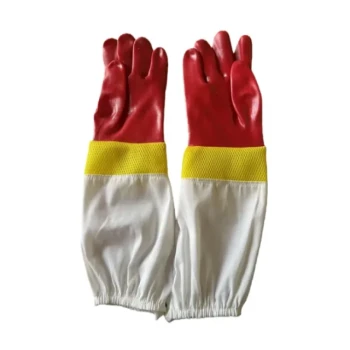
To clean leather beekeeping gloves effectively, you must use a mild soap or specialized leather cleaner, warm water, and a soft-bristled brush or cloth. For removing stubborn propolis, a small amount of white vinegar is the recommended solvent, while strong detergents and harsh chemicals must be strictly avoided to preserve the leather's integrity.
Core Takeaway: The goal of cleaning beekeeping gloves is to remove hygienic threats (honey, wax, propolis) without stripping the leather's natural oils. Success relies on using gentle, pH-balanced agents rather than aggressive chemicals that could crack the leather or agitate the hive with strong scents.
Essential Cleaning Agents
The Foundation: Mild Soap and Warm Water
The primary cleaning solution should consist of warm water mixed with a mild soap or a specialized leather cleaner. Warm water is essential for dissolving sugar residues like honey and loosening wax without scalding the leather.
Preserving Natural Oils
You must avoid standard laundry detergents. These are often too harsh and will strip the leather of its natural oils, causing it to dry out and crack. A mild soap cleans the surface while maintaining the leather's flexibility.
Solving the Propolis Problem
Propolis is a resinous substance that water and soap often cannot remove. For these tough spots, use a small amount of white vinegar. Its acidity breaks down the resin, and it offers antibacterial properties without leaving toxic residues.
Recommended Tools for Application
Soft-Bristled Brushes
Use a soft scrub brush or an old toothbrush to gently agitate the surface. This allows you to remove dirt and wax from the pores of the leather without scratching or scuffing the material.
Cloths for Wiping and Drying
Have a soft cloth ready to wipe away the suds. It is critical to rinse the gloves under running water (or with a clean wet cloth) until all soap residue is removed, as leftover soap attracts dirt and accelerates drying.
The "Wear-While-Washing" Technique
A practical approach is to wear the gloves while washing them. This provides resistance, allowing you to scrub crevices and seams more effectively, and ensures the gloves retain their shape during the cleaning process.
Post-Wash Maintenance Materials
The Necessity of Leather Conditioner
Once the gloves have air-dried (away from direct heat), you must apply a leather conditioner. Washing inevitably removes some moisture; conditioner restores suppleness and prevents the stiffening that makes gloves uncomfortable and unsafe.
Material Nuances: Cow vs. Goat Leather
While both require conditioning, goat leather tends to absorb conditioner more readily than cow leather. Ensure you have a clean cloth to buff the leather after application to remove any excess grease.
Common Pitfalls to Avoid
The Machine Wash Prohibition
Never place leather beekeeping gloves in a washing machine or dryer. The total submersion and mechanical agitation of a washer can warp the fit, while the high heat of a dryer will almost certainly destroy the leather fibers.
The Danger of Strong Scents
Avoid general household cleaners, especially those containing bleach or heavy fragrances. Leather absorbs scents, and strong chemical odors can agitate the bees, causing them to become defensive during your next inspection.
Making the Right Choice for Your Goal
To ensure your equipment lasts and your apiary remains calm, tailor your cleaning approach to the specific residue you are facing.
- If your primary focus is removing honey and light dirt: Use warm water and mild soap, ensuring you rinse thoroughly to prevent sticky residue.
- If your primary focus is removing heavy propolis: Apply white vinegar specifically to the stained areas before washing with soap.
- If your primary focus is extending gear longevity: Apply a leather conditioner immediately after the gloves have air-dried to prevent cracking and stiffness.
Treat your gloves not just as protection, but as a precision tool that requires careful maintenance to function correctly.
Summary Table:
| Cleaning Agent / Tool | Purpose | Benefit |
|---|---|---|
| Mild Soap & Warm Water | Basic cleaning | Dissolves honey and wax without stripping natural oils |
| White Vinegar | Propolis removal | Breaks down resinous propolis and provides antibacterial action |
| Soft-Bristled Brush | Agitation | Cleans pores and seams without scratching or scuffing leather |
| Leather Conditioner | Post-wash care | Restores suppleness and prevents leather from cracking |
| Soft Cloth | Wiping & Buffing | Removes soap residue and buffs off excess conditioner |
Maximize Your Gear's Lifespan with HONESTBEE
Properly maintained gear is essential for a productive and safe apiary. At HONESTBEE, we support commercial apiaries and distributors by providing a full spectrum of premium beekeeping tools, machinery, and essential consumables. From durable leather gloves to honey-filling machines and hive-making hardware, our wholesale offerings are designed to enhance your efficiency and performance.
Ready to upgrade your beekeeping operations?
Contact Us Today to explore our comprehensive product portfolio and discover how our expertise can benefit your business.
Related Products
- Goatskin Leather Beekeeper Gloves with Vent Long Sleeve for Beekeeping Honey Bee Sting Proof Protection
- Beekeeping Gloves Goatskin Leather with Long Cotton Sleeve for Beekeepers
- Goat Skin Leather Bee Sting Proof Beekeeping Gloves with Canvas Sleeve
- Heavy Duty Red Rubber Beekeeping Gloves with Extended Pure Cotton Sleeves for Beekeepers
- Premium Ventilated Goatskin Beekeeping Gloves with Full 3-Layer Mesh Sleeve
People Also Ask
- What are the characteristics of goatskin beekeeping gloves? Enhance Dexterity and Protection in Your Apiary
- Why is it important to have gloves available even if not always worn? Essential Risk Management for Beekeepers
- What are the primary purposes of using beekeeping gloves? Protect Your Hands and Ensure Apiary Hygiene
- Why do some experienced beekeepers opt not to wear gloves? Discover the Benefits of Tactile Precision
- Why is it important for beekeepers to wear gloves? Essential Safety and Confidence for Hive Management