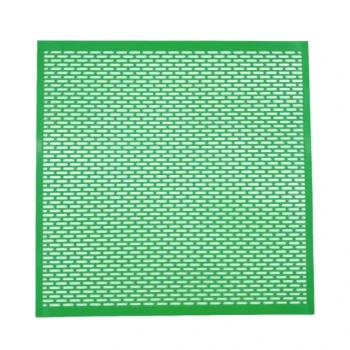
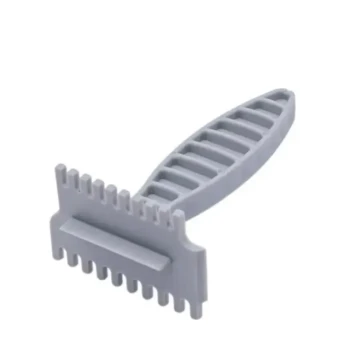
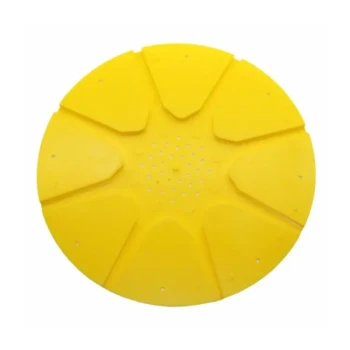
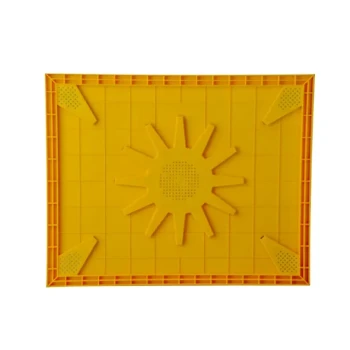
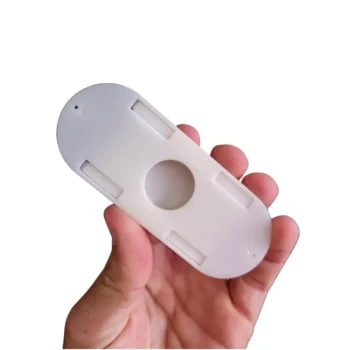
A plastic excluder functions as a specialized physical barrier designed to secure the bumblebee colony entrance against invasion. It utilizes a precisely calibrated aperture that permits the free movement of resident foragers while mechanically blocking the entry of larger, social parasites that would otherwise destroy the colony.
Core Takeaway The plastic excluder serves a critical biosecurity role by filtering traffic based on body size and behavior. It primarily protects the colony from being usurped by parasitic Psithyrus bumblebees, ensuring the survival of the workforce and the integrity of the nest.
The Mechanics of Colony Defense
Blocking Social Parasites
The primary threat to field-deployed colonies comes from cuckoo bumblebees (genus Psithyrus). These social parasites invade established nests, usurp the resident queen, and force the existing workers to rear parasitic offspring.
The plastic excluder acts as a frontline defense against this usurpation. By restricting the entrance size, it physically prevents these parasites from gaining access to the nest interior.
Size and Behavioral Filtration
The device relies on a precision-designed aperture. The opening is strictly calibrated to accommodate the body size of the host bumblebee workers.
Because parasitic cuckoo bumblebees generally possess larger body sizes or distinct behavioral approach patterns, they are unable to navigate the excluder. This allows the colony to maintain normal foraging operations while effectively locking out invaders.
Secondary Function: Protecting Experimental Integrity
Ensuring Accurate Data Collection
In research contexts, the "protective" function of an excluder extends to protecting the validity of experimental data.
When configured as a "queen excluder," the device prevents larger virgin queens produced by the colony from dispersing into the wild.
Facilitating Reproductive Census
By keeping the reproductive individuals (queens) contained within the hive, researchers can perform a complete census at the end of an experiment.
This "data protection" allows for an exact measurement of how a specific landscape impacts the colony's reproductive capacity, removing variables associated with queen migration.
Understanding the Trade-offs
Balancing Access and Security
The effectiveness of a plastic excluder relies entirely on the precision of the aperture.
If the opening is too large, it fails to block parasites, rendering the protection useless. If it is too tight, it may hinder the movement of legitimate foragers or strip pollen from their legs as they enter.
Interaction with Colony Dynamics
While the device protects the colony from external biological threats, it also imposes artificial constraints on natural behavior.
Specifically, in research scenarios, preventing queens from leaving (to enable a census) technically restricts the natural lifecycle and dispersal of the colony's genetics into the environment.
Making the Right Choice for Your Goal
When selecting or configuring an excluder for your field deployment, consider your primary objective:
- If your primary focus is Colony Survival: Ensure the aperture is sized strictly to block Psithyrus parasites to prevent nest usurpation and colony collapse.
- If your primary focus is Research Data: Select a configuration that traps virgin queens to guarantee an accurate headcount of reproductive output at the experiment's conclusion.
Effective colony management requires balancing physical security with the need for accurate data collection.
Summary Table:
| Feature | Primary Protective Function | Benefit to Colony/Researcher |
|---|---|---|
| Physical Barrier | Blocks social parasites (Psithyrus) | Prevents nest usurpation and colony collapse |
| Precision Aperture | Filters traffic by body size | Allows worker foraging while excluding larger invaders |
| Queen Containment | Prevents virgin queen dispersal | Ensures accurate census and experimental data integrity |
| Biosecurity | Limits external biological threats | Maintains the health and workforce of the resident nest |
Secure Your Apiary Productivity with HONESTBEE
Protecting your bumblebee colonies is vital for pollination success and research accuracy. At HONESTBEE, we specialize in supporting commercial apiaries and distributors with high-quality, precision-engineered beekeeping tools and machinery.
Whether you need specialized hive-making hardware, efficient honey-filling machines, or essential industry consumables, our comprehensive wholesale portfolio is designed to enhance your operational efficiency and colony security.
Ready to scale your beekeeping business? Contact us today to learn how our professional equipment and expert support can bring unparalleled value to your distribution network or commercial apiary.
References
- Elaine Evans, David W. Inouye. Parasites, parasitoids, and hive products that are potentially deleterious to wild and commercially raised bumble bees (Bombus spp.) in North America. DOI: 10.26786/1920-7603(2023)710
This article is also based on technical information from HonestBee Knowledge Base .
Related Products
- High Performance Plastic Queen Excluder for Beekeeping and Apiary Management
- Professional Plastic Queen Excluder for Modern Beekeeping
- Plastic Queen Bee Excluder for Bee Hive Wholesale
- Lightweight Durable Plastic Queen Excluder Scraper for Beekeeping
- Durable 16 Way Circular Bee Escape for Efficient Honey Harvesting
People Also Ask
- What are the characteristics of a plastic queen excluder? Key Benefits for Cost-Effective Beekeeping
- What are the operational and cost advantages of using plastic queen excluders over metal or wire excluders in commercial hive management? Discover how they reduce labor, prevent wing damage, and lower total costs.
- What types of queen excluders are available for beekeepers? Choose the Right Tool for Your Hive
- Why are standardized hive frames and queen excluders essential for maintaining honey purity and quality? Scale Your Purity
- Do plastic queen excluders work? A Cost-Effective Solution for Modern Apiaries