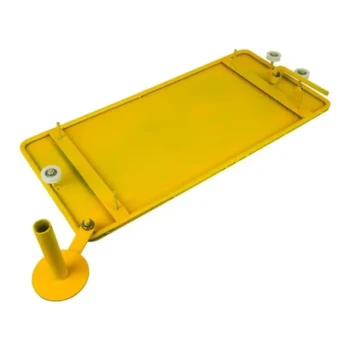
The primary protective role of lubricating grease is to create a physical isolation barrier. By coating the beehive support wires, you prevent ants and other crawling pests from ascending the wires and invading the hive structure. This effectively blocks the primary access route for ground-based threats.
Core Takeaway: Grease application is fundamental to system stability, not just pest control. By preventing infestation, you minimize colony stress and prevent "absconding" (the bees abandoning the hive), ensuring the long-term operational effectiveness of the biological deterrence system.
The Mechanics of Protection
Creating an Impassable Boundary
The support wires of a beehive often serve as a bridge for insects foraging on the ground.
Applying lubricating grease disrupts this path. It creates a slippery, sticky surface that ants and crawling pests cannot traverse, physically isolating the hive from the ground environment.
Preventing Resource Theft
Pests invade hives primarily to steal resources such as honey, brood, or pollen.
By applying grease, you secure these resources. This ensures the colony's energy is spent on maintenance and defense activities rather than fighting off invaders.
Impact on System Reliability
Reducing Colony Stress
A hive under constant attack from ants experiences significant biological stress.
This stress distracts the bees from their role in the deterrence system. A stressed colony is less aggressive toward large threats (the intended targets of the deterrence system) and more focused on internal survival.
Preventing Colony Absconding
The most critical risk to a biological deterrence system is "absconding."
This occurs when a colony, overwhelmed by pests or stress, decides to abandon the hive entirely. If the bees leave, the deterrence system ceases to function immediately. Grease acts as the first line of defense against this failure mode.
Understanding the Trade-offs
Maintenance Requirements
Grease is not a "set and forget" solution.
It serves as a trap for dust and debris over time, which can eventually create a bridge for pests if not cleaned and reapplied. Regular inspection is required to maintain the integrity of the barrier.
The Consequence of Neglect
The trade-off for this low-tech solution is high operational risk if ignored.
Because the grease barrier is the primary defense against crawling pests, a failure to maintain it can lead to rapid infestation. Once ants establish a trail, the colony's stability—and the system's effectiveness—can degrade very quickly.
Making the Right Choice for Your Goal
To ensure your biological deterrence system remains active, consider the following operational priorities:
- If your primary focus is Pest Exclusion: Apply a thick, consistent layer of grease to all support wires to physically block access for ants.
- If your primary focus is System Longevity: Prioritize this maintenance to prevent colony stress and absconding, which guarantees the bees remain on-site to perform their deterrence function.
A well-maintained grease barrier is the simplest, most effective insurance policy against total system failure.
Summary Table:
| Protection Mechanism | Primary Function | Impact on System Reliability |
|---|---|---|
| Physical Isolation | Blocks ants and crawling pests from climbing support wires | Prevents ground-based invasions and resource theft |
| Stress Reduction | Minimizes colony distraction and internal defense energy | Keeps bees focused on primary deterrence functions |
| Absconding Prevention | Stops bees from abandoning the hive due to infestation | Ensures long-term operational effectiveness of the system |
| Barrier Maintenance | Requires regular cleaning of dust and debris buildup | Avoids the creation of bridges for opportunistic pests |
Secure Your Apiary Success with HONESTBEE
Maintaining a robust biological deterrence system requires high-quality hardware and reliable maintenance. At HONESTBEE, we specialize in supporting commercial apiaries and distributors with a complete range of professional beekeeping solutions. From high-durability hives to specialized hive-making and honey-filling machinery, our comprehensive wholesale offering is designed to optimize your operations.
Our Value to You:
- Full Spectrum Supply: One-stop sourcing for beekeeping tools, machinery, and essential consumables.
- Commercial Grade Quality: Equipment built to withstand the rigors of large-scale honey production.
- Growth Support: Helping you scale with honey-themed cultural merchandise and expert-level hardware.
Don't let pests compromise your productivity. Contact HONESTBEE today to discover how our premium equipment and industry expertise can elevate your beekeeping business.
References
- Steeve Ngama, John R. Poulsen. How Bees Deter Elephants: Beehive Trials with Forest Elephants (Loxodonta africana cyclotis) in Gabon. DOI: 10.1371/journal.pone.0155690
This article is also based on technical information from HonestBee Knowledge Base .
Related Products
- Stainless Steel Bee Hive Frame Wire for Beekeeping
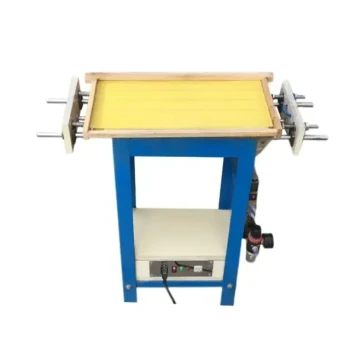
- Professional Pneumatic Wire Embedder for Beehive Frames
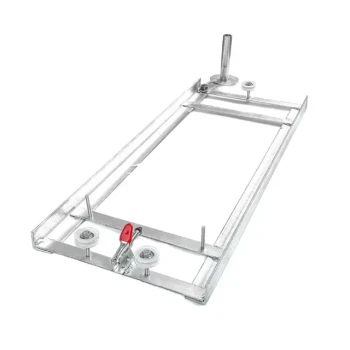
- Professional Galvanized Steel Frame Rest for Beehives
- HONESTBEE Professional Frame Wiring Board and Jig
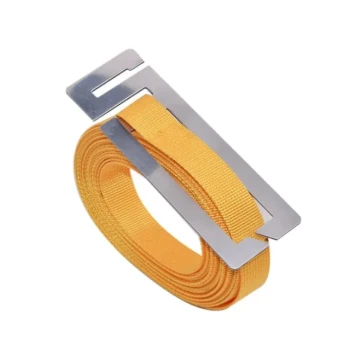
- Heavy-Duty Nylon Beehive Hive Strap with Stainless Steel Cinch Buckle
People Also Ask
- What are the arguments for and against wiring beehive frames? Balance Durability and Management Flexibility
- What are the drawbacks of wiring beehive frames? Key Limitations and Structural Trade-offs Revealed
- How is the wire secured at the top of the frame? A Guide to Locking in Tension for Strong Honeycomb
- What factors determine the amount of wiring needed in beehive frames? Tailor Your Strategy for Your Climate
- What tools are needed to wire a beehive frame? Essential Equipment for Durable Frame Construction