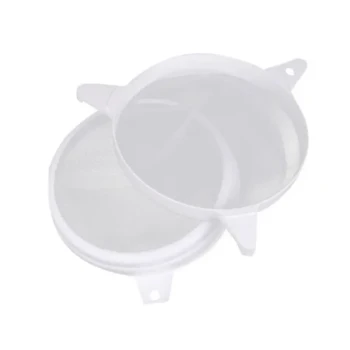
The sieve filter acts as the primary defense system for the internal mechanics of bee pollen drying equipment. Its specific function is to intercept and retain fine pollen dust generated during dynamic agitation, preventing this particulate matter from infiltrating and coating the delicate internal fins of the heat pump system.
Core Insight: By capturing airborne dust before it reaches the heat pump's evaporator and condenser, the sieve filter simultaneously preserves the equipment's thermal efficiency and maximizes the recovery rate of the usable product.
The Mechanics of Component Protection
Managing Byproducts of Agitation
During the dynamic agitation drying process, friction and movement naturally cause bee pollen granules to release fine dust.
If left unchecked, these airborne particles become contaminants within the closed system. The sieve filter is positioned to trap this dust immediately, preventing it from circulating into critical mechanical areas.
Shielding the Heat Exchange System
The most critical role of the filter is protecting the heat pump system, specifically the evaporator and condenser fins.
These fins rely on clean surfaces to facilitate heat exchange. The filter prevents pollen dust from adhering to these fins, which would otherwise act as an insulator and inhibit the drying process.
Operational Impact and Efficiency
Maintaining Thermal Efficiency
When internal components are coated in dust, the system must work harder to achieve the same temperature regulation.
By blocking contaminants, the sieve filter ensures the heat pump maintains optimal thermal efficiency. This keeps energy consumption aligned with the manufacturer's specifications rather than spiking due to airflow resistance.
Extending Service Life
Cumulative buildup of organic material inside a machine leads to mechanical stress and potential component failure.
The sieve filter acts as a sacrificial barrier. By retaining the dust, it prevents the wear and tear associated with clogged internal mechanisms, significantly extending the service life of the drying equipment.
Economic Implications
Maximizing Product Recovery
The protection offered by the filter extends beyond the machinery to the product itself.
Rather than allowing fine pollen dust to be lost inside the machine's body or vents, the sieve filter retains it. This ensures a high recovery rate, allowing you to harvest the maximum amount of dried product.
Understanding the Maintenance Trade-offs
The Necessity of Regular Cleaning
While the sieve filter protects the internal fins, it inherently becomes a bottleneck as it does its job.
A filter that is doing its job well will fill up with dust. If the filter is not cleaned regularly, it will eventually restrict airflow itself, which can reduce drying speed and strain the fan motors—creating the very inefficiency it was designed to prevent.
Making the Right Choice for Your Goal
To maximize the benefits of your drying equipment, consider your primary operational objectives:
- If your primary focus is Equipment Longevity: Prioritize checking the filter integrity frequently to ensure no dust is bypassing the seal and reaching the condenser fins.
- If your primary focus is Production Yield: Schedule strict cleaning intervals to harvest the retained dust from the filter, ensuring you recover 100% of the usable material.
Regular maintenance of the sieve filter is the single most effective way to protect your capital investment while ensuring high-quality production.
Summary Table:
| Feature | Role of Sieve Filter in Drying Equipment |
|---|---|
| Component Protection | Guards evaporator and condenser fins from pollen dust accumulation |
| Thermal Efficiency | Maintains optimal heat exchange rates and reduces energy waste |
| Product Recovery | Captures fine dust for maximum yield instead of losing it in vents |
| Service Life | Reduces mechanical stress and prevents clogging of internal mechanics |
| Maintenance Requirement | Needs regular cleaning to prevent airflow bottlenecks |
Maximize Your Harvest Efficiency with HONESTBEE
Protect your investment and ensure the highest quality pollen production with HONESTBEE. As a premier provider for commercial apiaries and distributors, we offer a comprehensive wholesale range of professional beekeeping machinery, including advanced pollen drying systems and hive-making equipment.
Our industrial-grade tools are designed to streamline your operations, from specialized hardware to essential consumables. Partner with us to access the technical expertise and high-performance equipment your business deserves.
Ready to upgrade your apiary's performance? Contact our expert team today to discover our full range of wholesale solutions!
References
- Nguyen Hay, Vo Tan Phuong. Novel Solution for High Efficiency Bee Pollen Heat Pump Dryer. DOI: 10.31080/asmi.2020.03.0687
This article is also based on technical information from HonestBee Knowledge Base .
Related Products
- Stainless Steel Double Layer Honey Strainer Sieve Filters
- Stainless Steel Triangle Support Honey Strainer and Filters
- Professional Stainless Steel Honey Filtering Machine with Water Bath Heating for Beekeeping
- Conical Nylon Honey Strainer Filter Bag for Beekeeping and Honey Filtration
- High Quality Honey Dehumidifier Dryer Thickening Machine for Beekeeping
People Also Ask
- What are some typical mesh size combinations found in double sieve honey strainers? Expert Guide to Honey Filtration
- How is a double-layer honey filter used for monitoring Varroa mite infestation? Achieve Precise Pest Control Data
- How do double-layer honey filters and white blotting paper function together in Varroa mite detection? Expert Guide
- What is the function of honey sieves, strainers, and filters in processing? Master the 3 Stages of Honey Purity
- What mesh sizes are commonly used in double sieve honey strainers? Achieve Clean, Raw Honey Efficiently