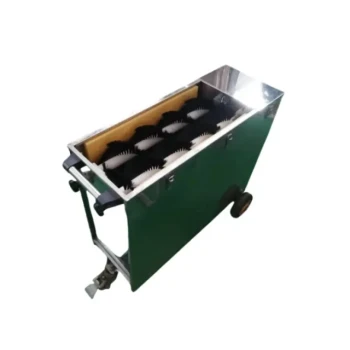
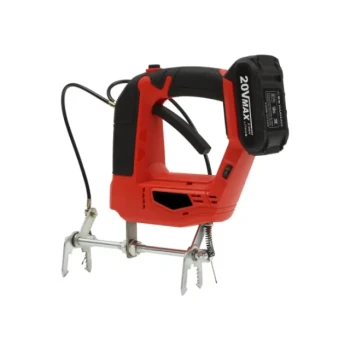
High-pressure water systems and mechanical vibration equipment function as the primary industrial methods for separating drone larvae from unsealed comb cells. These technologies transform the harvesting process from a manual task into a scalable operation, specifically targeting larvae between 3 and 7 days old to ensure rapid collection without compromising biological quality.
The core value of utilizing these mechanical systems lies in their ability to decouple volume from damage; they allow for mass extraction while exerting less physical stress on delicate tissues than traditional manual handling.
The Mechanism of Efficient Extraction
Replacing Manual Labor
Traditionally, drone brood removal might involve specialized uncapping knives or tweezers. While effective for small-scale mite control, these methods are labor-intensive and slow.
High-pressure water flushing and mechanical vibration replace these manual actions. They apply consistent, physical force to dislodge larvae en masse, significantly reducing the time required per hive frame.
Targeted Separation
This equipment is calibrated to extract a specific biological target: larvae aged 3 to 7 days.
By focusing on this age range within unsealed cells, the machinery efficiently separates the desired biomass from the structural wax of the comb. This allows beekeepers to process specialized drone combs rapidly.
Preserving Biological Integrity
Minimizing Tissue Damage
A critical challenge in Apilarnil production is the fragility of the raw material. Rough handling can rupture larval bodies prematurely.
High-pressure water and vibration are designed to minimize direct physical trauma to the biological tissues. Unlike manual scraping or pulling, these fluid and vibratory forces distribute pressure more evenly across the larva's surface.
Ensuring Structural Quality
For the end product to be consistent, the raw material must remain intact until the homogenization stage.
These mechanical methods ensure the structural integrity of the larvae is maintained during extraction. This preservation is vital for retaining the internal active nutrients—such as amino acids and enzymes—before the material undergoes downstream processing like high-energy grinding.
Understanding the Operational Context
The Role of Specialized Combs
These extraction technologies rely on the use of standardized hive structures. Specialized drone combs are used to induce bees to build larger cells and lay unfertilized eggs, creating a uniform "crop" for the machinery to harvest.
Integration with Pest Management
While the primary goal here is harvesting Apilarnil, this machinery supports broader colony health.
Efficiently stripping drone frames is a key physical method for controlling Varroa mites, which prefer reproducing in drone cells. These mechanical systems allow for the large-scale elimination of mites without resorting to chemical treatments.
Making the Right Choice for Your Goal
To select the appropriate harvesting method, consider your production volume and end-goals.
- If your primary focus is industrial-scale Apilarnil production: Implement mechanical vibration or water flushing systems to maximize throughput while preserving the 3 to 7-day-old larvae for processing.
- If your primary focus is small-scale Varroa management: Manual removal using uncapping knives or tweezers remains a cost-effective solution for eliminating mites without the need for complex machinery.
- If your primary focus is product consistency: Ensure your extraction method preserves structural integrity, as this is the prerequisite for effective homogenization and nutrient retention later in the process.
Leveraging the right mechanical extraction technology bridges the gap between raw biological potential and a standardized, high-quality commercial product.
Summary Table:
| Feature | High-Pressure Water / Vibration | Manual Methods (Tweezers/Knives) |
|---|---|---|
| Best Use Case | Industrial-scale Apilarnil production | Small-scale Varroa mite management |
| Larvae Integrity | High (Even pressure distribution) | Low (Higher risk of tissue rupture) |
| Efficiency | High-volume throughput | Labor-intensive and slow |
| Target Age | 3-7 day old drone larvae | Variable |
| Biological Value | Preserves enzymes and amino acids | Prone to oxidation/damage |
Elevate Your Beekeeping Operation with HONESTBEE
Transitioning from manual labor to industrial efficiency requires the right equipment. HONESTBEE specializes in supporting commercial apiaries and distributors with a complete range of professional beekeeping machinery. Whether you are looking for advanced honey-filling machines, specialized hive-making equipment, or essential consumables, we provide the tools needed to scale your production while maintaining the highest biological integrity of your products.
Ready to optimize your harvest? Contact us today to discover how our wholesale beekeeping solutions and specialized hardware can drive your business growth!
References
- Cemre BAŞOL, Meral Kekeçoğlu. Chemical Composition and Biochemical Properties of Apilarnil: Traditional Review. DOI: 10.5336/jtracom.2023-95372
This article is also based on technical information from HonestBee Knowledge Base .
Related Products
- Retractable Chinese Queen Rearing Grafting Tools Equipment
- Plastic Beekeeping Honey Bee Larvae Grafting Tools for Queen Rearing and Chinese Grafting
- Stainless Steel Queen Grafting Tool for Beekeeping and Bee Queen Grafting
- Full Set Beekeeping Electronic Bee Venom Collector Machine Device for Bee Venom Collecting
- Plastic Beetle Blaster Trap Beekeeping Tools and Supplies
People Also Ask
- Which specialized tools are necessary for implementing standardized queen rearing? Scale Your High-Yield Apiary
- Why are specialized queen rearing tools necessary to mitigate winter hive losses? Boost Apiary Survival and Recovery
- How do queen-rearing tools facilitate the sustainability and expansion of a commercial apiary? Drive Scalable Growth
- In what ways do modern queen rearing equipment and grafting tools improve competitiveness? Boost Breeding Success Rate
- What role do specialized queen rearing tools and consumables play in modern large-scale apiculture? Drive Production & Scale