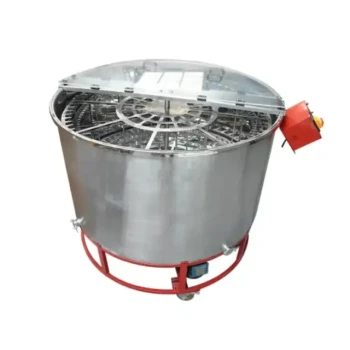
Industrial-grade honey processing equipment serves as the technological bridge that transforms raw agricultural output into a standardized, commercially viable product. By executing high-precision filtration, dehydration, and constant-temperature control, this machinery ensures that honey meets the rigorous international quality standards required to enter premium markets.
Core Takeaway Industrial processing equipment does more than clean honey; it stabilizes the product's physicochemical properties to ensure consistency and longevity. This standardization allows enterprises to shift from low-margin bulk sales to high-value, differentiated brand strategies suitable for global export and specialized retail.
The Mechanics of Market Access
Meeting International Quality Standards
For a beekeeping enterprise to compete globally, its product must adhere to strict regulatory benchmarks. Industrial-grade equipment is critical for achieving this compliance. Through precision mechanisms, it ensures the final product satisfies the specific sensory and chemical requirements of international trade.
Stabilizing Physicochemical Indicators
Raw honey varies wildly in moisture and particulate content. Industrial machinery stabilizes these factors, particularly through vacuum dehydration and multi-stage filtration. By maintaining consistent physicochemical indicators, the equipment guarantees that every batch meets the expected commercial grade.
Controlling Moisture to Prevent Spoilage
One of the primary threats to honey competitiveness is fermentation caused by excess moisture. Industrial dehydrators precisely lower moisture content without overheating the product. This mechanical treatment effectively eliminates the risk of spoilage, ensuring the shelf life required for long-distance logistics and retail storage.
Operational Efficiency and Economic Value
Transitioning to High-Value Retail
Manual processing limits an enterprise to selling raw ingredients in bulk. Automated filling machines enable the transition to consumer-facing retail products. By packaging honey into precise, branded containers, operations can capture the significantly higher "added value" of a finished commercial good.
Reducing Loss and Labor Costs
High-precision filling equipment is essential for quantitative accuracy, drastically reducing product loss compared to manual methods. Furthermore, automation streamlines the packaging process. This reduction in labor costs and waste directly improves the overall economic efficiency of the operation.
Ensuring Hygiene and Traceability
Closed stainless steel systems minimize the risk of secondary contamination during processing. This physical isolation is vital for enterprises pursuing organic certification. It ensures the traceability and integrity required to market specific nectar sources or organic lines to high-end buyers.
Understanding the Trade-offs
The Balance of Purity vs. Nutrition
While filtration improves marketability, over-processing can strip honey of beneficial pollen or heat-sensitive enzymes. Equipment with constant-temperature control is non-negotiable. Beekeepers must ensure their machinery purifies the honey to improve sensory transparency without degrading the natural nutritional components that drive consumer demand.
Capital Investment vs. Scale
Industrial-grade machinery represents a significant capital expenditure. For smaller operations, the cost of automated filling and dehydration systems may outweigh the immediate benefits. This equipment is a strategic investment best suited for enterprises ready to scale from local sales to regional or international distribution.
Making the Right Choice for Your Goal
To maximize your market competitiveness, align your equipment investment with your specific business objective:
- If your primary focus is Export Markets: Prioritize high-precision dehydration and filtration systems to ensure your product meets strict international physicochemical standards and resists fermentation during shipping.
- If your primary focus is Retail Branding: Invest in automated, high-precision filling machines to ensure consistent packaging presentation, hygiene, and shelf appeal.
- If your primary focus is Organic Certification: Select closed-loop, stainless steel processing lines that guarantee isolation from conventional honey and prevent secondary contamination.
By integrating the right industrial processing technology, you move beyond simple beekeeping and establish a scalable, quality-driven manufacturing enterprise.
Summary Table:
| Key Role | Impact on Competitiveness | Primary Benefit |
|---|---|---|
| Vacuum Dehydration | Prevents fermentation and spoilage | Extended shelf life & export viability |
| Multi-stage Filtration | Ensures clarity and meets global standards | Premium brand positioning |
| Automated Filling | Transitions bulk sales to high-value retail | Increased profit margins & brand value |
| Temperature Control | Protects enzymes and nutritional profile | Retention of high-end consumer trust |
| Closed Systems | Minimizes contamination and enables traceability | Easier organic and safety certification |
Elevate Your Honey Brand with HONESTBEE
Transition from raw production to global market leadership with HONESTBEE. As a premier partner for commercial apiaries and distributors, we supply the specialized tools you need to stay competitive.
From high-precision honey-filling machines and industrial dehydrators to comprehensive hive-making machinery and honey-themed cultural merchandise, our wholesale portfolio is designed to maximize your efficiency and scale.
Ready to upgrade your operation? Contact us today to discover how our equipment can transform your honey into a high-value global product.
References
- S. Vinichenko. Stages and methods of formation of marketing strategy of enterprises in the market of beekeeping products. DOI: 10.31548/bioeconomy2020.04.004
This article is also based on technical information from HonestBee Knowledge Base .
Related Products
- HONESTBEE 72 Frame Industrial Electric Honey Extractor for Beekeeping
- Electric Double Wall Honey Filtering Machine Purifier Equipment for Honey Processing Plant
- Heavy Duty Stainless Steel Honey Processing Machine Decrystallizing Tank
- High Quality Honey Dehumidifier Dryer Thickening Machine for Beekeeping
- 0.5T Capacity Honey Dehumidifier Dryer with Vacuum Heating and Thickening Filtering Machine
People Also Ask
- What is the importance of balancing honeycomb frames within a honey extractor? Ensure Stability and Protect Machinery
- How is honey separated from the frames after they are uncapped? Efficient Extraction Methods for High Yields
- What are the main benefits of using a honey extractor? Maximize Yields and Protect Your Honeycomb
- What are the recommended methods for removing honey from the honeycomb? Top Extraction Techniques for Maximum Efficiency
- How do manual honey extractors compare to electric honey extractors? Choosing the Right Tool for Your Apiary Growth