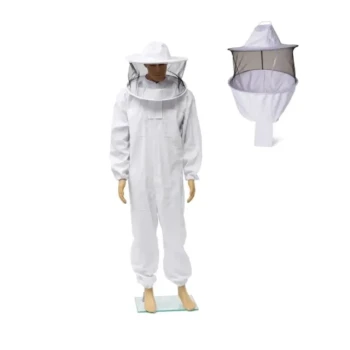
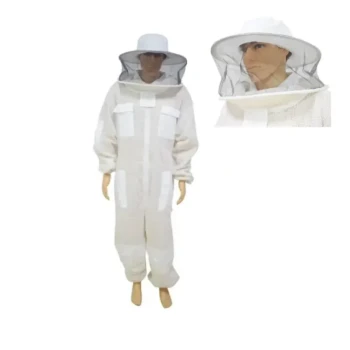
Mobility is a foundational element in the architectural design of professional beekeeping suits. It serves as the critical interface between safety and function, ensuring the wearer maintains the physical flexibility required to inspect hives, lift heavy equipment, and collect honey without the fabric binding or restricting essential actions.
While protection is the obvious purpose of a suit, mobility is the operational requirement; a suit must permit the full range of heavy manual labor without becoming an obstacle to the operator.
The Ergonomics of Hive Management
Essential Range of Motion
Beekeeping is not a static activity; it requires dynamic movement. A professional suit is designed to accommodate the complex mechanics of the human body during labor.
The operator must be able to squat, reach, and twist to properly inspect hives. If a suit lacks this flexibility, simple tasks become exhausting and difficult.
Handling Heavy Loads
A significant portion of apiary work involves lifting heavy equipment, such as honey supers or brood boxes.
The suit’s cut must allow for the extension of arms and the engaging of leg muscles. If the fabric restricts this movement, it increases the physical strain on the beekeeper.
Preventing Fabric Binding
A critical design flaw in lesser suits is "binding," where the fabric tightens and halts movement during a task.
Professional designs mitigate this to ensure smooth operation. Unrestricted movement allows the beekeeper to react quickly and fluidly to the colony's behavior.
Material Enhancements Supporting Movement
Modern Mesh Construction
Recent advancements include triple mesh constructions and high-quality air mesh. While primarily for ventilation and protection, these materials also influence mobility.
A well-ventilated suit reduces heat fatigue, indirectly supporting the beekeeper's physical endurance and agility.
Secure Extremities
Mobility must not compromise the integrity of the protective seal. Design features like elastic cuffs are essential.
These cuffs ensure that even as the beekeeper stretches or lifts, the suit remains securely sealed against the skin to prevent bees from entering.
Understanding the Trade-offs
Protection vs. Agility
There is often a tension between maximum sting protection and ease of movement. Extremely thick or rigid materials offer high security but can make fine motor movements difficult.
Loose Fit vs. Snag Hazards
A suit that is too loose may offer great freedom of movement but creates a risk of snagging on hive equipment.
Conversely, a suit that is too form-fitting will bind when the wearer bends over. The ideal design occupies a middle ground, offering a "relaxed" fit that doesn't balloon excessively.
Making the Right Choice for Your Goal
To select the right gear, you must balance your environment with your physical needs.
- If your primary focus is heavy commercial work: Prioritize a suit with a generous cut and ergonomic design that prevents binding during repetitive lifting.
- If your primary focus is working in high-heat environments: Look for high-quality air mesh constructions that maintain flexibility while reducing physical fatigue.
The best protective gear functions as a silent partner, offering robust defense without ever reminding you that you are wearing it.
Summary Table:
| Key Mobility Feature | Function in Hive Management | Impact on Beekeeper |
|---|---|---|
| Ergonomic Cut | Allows for squatting, reaching, and twisting | Reduces physical fatigue and exhaustion |
| Triple Mesh Fabric | Provides ventilation while remaining flexible | Maintains agility by reducing heat stress |
| Elastic Cuffs | Keeps seals tight during limb extension | Ensures continuous protection during movement |
| Relaxed Fit | Prevents fabric binding during lifting | Facilitates a full range of heavy manual labor |
Elevate Your Apiary Operations with HONESTBEE
At HONESTBEE, we understand that for commercial apiaries and distributors, equipment must be a silent partner in productivity. Our professional beekeeping suits are engineered to balance robust sting protection with the high-mobility requirements of heavy manual labor.
Beyond protective apparel, we provide a comprehensive wholesale portfolio, including:
- Advanced Machinery: Hive-making and honey-filling machines to scale your production.
- Beekeeping Tools: A full spectrum of hardware and specialized equipment.
- Industry Consumables: Essential supplies to keep your operations running smoothly.
Whether you are stocking a distribution network or managing thousands of hives, our gear ensures your team stays agile and safe. Contact us today to discuss our wholesale offerings and discover how our expertise can support your business growth.
Related Products
- Professional Cotton Beekeeper Suit with Round Veil Design for Commercial Apiaries
- Professional Beekeeper Suit with Square Folding Cotton Veil
- Professional Beekeeping Suit for Kids and Girls Childrens Bee Keeper Suit
- Premium Cotton Beekeeper Suit with Reinforced Fencing Veil
- Beekeeping Jacket with Hood and Veil for Beekeepers
People Also Ask
- What material and design specifications are recommended for a high-quality beekeeper suit? Top Gear Selection Guide
- How to Pre-treat Propolis Stains on Beekeeping Suits? Master Advanced Fabric Care and Soil Removal
- Why is it important to keep a beekeeping suit clean? Essential Safety & Maintenance Tips
- Is it generally safe to wash a beekeeping suit in a washing machine? Maintain Your Safety Gear Properly
- What are the primary functional requirements for a beekeeping suit to ensure user safety? Professional Sourcing Guide