Propolis is the hive’s natural sealant and sanitation system. Worker bees collect plant resins and process them into a sticky material used to seal cracks, reduce unwanted openings, smooth interior surfaces, protect against moisture, and help inhibit pathogens. Because bees instinctively fill narrow gaps with propolis, commercial hive hardware must balance precision fit, durability, cleanability, and propolis-harvesting capability.
Propolis is not merely a hive byproduct; it directly influences equipment design and maintenance. Hardware should minimize harmful gaps while providing controlled surfaces—such as propolis traps—for efficient collection.
What Propolis Does Inside the Hive
It seals and reinforces the hive
Bees apply propolis to cracks, joints, and unwanted openings. This helps reduce drafts, limit moisture entry, and reinforce the hive’s internal structure.
Propolis can also reduce the size of the entrance or other openings when the colony’s needs change. The bees therefore use it as an adjustable building material rather than a permanent adhesive alone.
It helps maintain hive hygiene
Propolis coats interior surfaces and has natural antimicrobial properties that help inhibit microbial growth. Bees may also use it to encase dead pests or other material that is too large to remove.
This behavior supports colony hygiene by isolating potential sources of contamination within the hive.
It smooths and modifies interior surfaces
Bees use propolis to fill irregularities and smooth rough internal areas. As a result, components with inaccurate dimensions or excessive gaps can attract substantial propolis buildup.
That buildup is not necessarily a defect in bee behavior. It is often the colony responding naturally to hardware that creates openings or surfaces it considers unsuitable.
How Bee Behavior Affects Hive Hardware
Precision fit matters
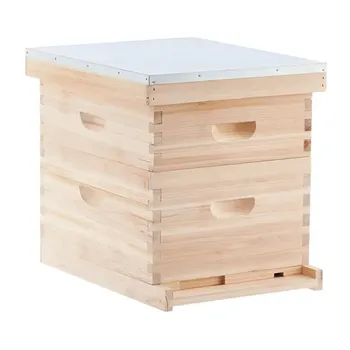
Bees will generally attempt to seal unnecessary gaps, including those created between hive bodies, covers, frames, and other components. Precision-milled hive bodies and correctly spaced frames can reduce excessive accumulation.
For commercial operators, accurate dimensions improve consistency across large apiaries and make inspections, frame removal, and equipment replacement more predictable.
Surface material influences maintenance
Propolis adheres strongly to common hive materials, including wood and metal. Hardware should therefore withstand repeated scraping and separation without cracking, deforming, or damaging frame rests and hive bodies.
Durable components are especially important for distributors and commercial beekeepers managing frequent inspections and high equipment turnover.
Frame spacing affects access
Excessive propolis accumulation around frame rests and contact points can make frames difficult to remove. Correct frame spacing helps maintain workable bee space while limiting unnecessary areas for resin buildup.
The objective is not to eliminate propolis. It is to provide a controlled, serviceable environment in which normal propolizing does not prevent routine hive management.
Covers and traps can turn behavior into a harvest system
A propolis mat or perforated trap placed beneath the hive cover creates narrow openings that bees naturally fill. Once coated, the accessory can be removed for propolis recovery without scraping wooden frames.
This design converts an unavoidable maintenance behavior into a secondary product opportunity for commercial apiaries.
Selecting Hardware for Commercial Operations
Choose equipment that supports controlled propolis collection
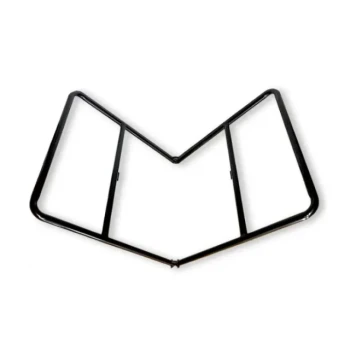
A suitable propolis trap should fit securely beneath the cover and provide consistent openings for the bees to fill. Flexible trap grids are commonly used because hardened propolis can be separated more easily from them.
Some harvesting systems use freezing to make the propolis brittle before removal. This can improve recovery efficiency and help keep the collected material separate from beeswax and frame debris.
Prioritize durable, easy-to-clean components
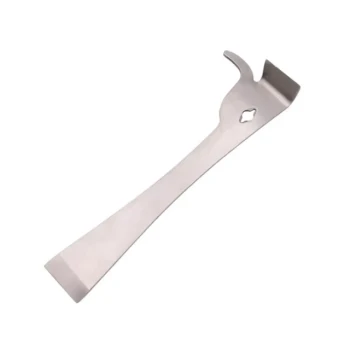
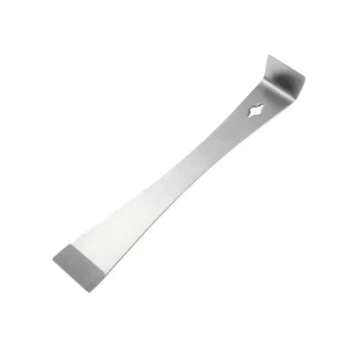
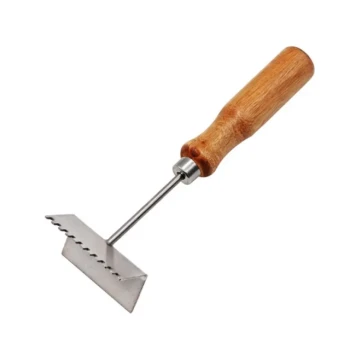
Hive tools and scrapers should be strong enough to release propolized frames and hive bodies without damaging the equipment. Ergonomic designs are valuable where workers perform repeated inspections or harvesting tasks.
For product portfolios, this means pairing hive bodies and frames with compatible scrapers, replacement accessories, and propolis traps rather than treating each item as an isolated purchase.
Maintain dimensional consistency across the product range
Wholesalers and resellers should pay close attention to compatibility between hive bodies, covers, frames, frame rests, and traps. Inconsistent dimensions can create excessive gaps, complicate servicing, and reduce customer confidence.
A full-spectrum product offering is most useful when components work together as a system.
Match hardware to the operating scale
Small apiaries may prioritize simple traps and durable hand tools. Commercial operations generally place greater value on repeatable dimensions, rapid replacement, efficient cleaning, and dependable availability across multiple equipment types.
For distributors, responsive sourcing and fast fulfillment are practical advantages because damaged or incompatible hive hardware can interrupt inspection and harvesting schedules.
Understanding the Trade-offs
More sealing control does not mean zero propolis
Reducing unwanted gaps can limit excessive buildup, but bees will still apply propolis as part of normal hive management. Equipment should be designed for manageable accumulation, not complete prevention.
Trying to eliminate all propolis would conflict with an important natural defense and maintenance behavior of the colony.
Tight construction can complicate removal
Well-fitted components improve hive integrity, but propolis can bind frames and boxes together. Commercial hardware must therefore combine accurate fit with access points and surfaces that can be released using standard hive tools.
The best design reduces unnecessary adhesion without making normal inspection impossible.
Harvesting hardware adds operational steps
Propolis traps can produce a clean secondary product, but they require installation, removal, cleaning, and appropriate handling. Their value depends on whether the apiary has the labor, storage, and processing arrangements to use the collected material.
A trap is therefore a management tool, not an automatic revenue source.
Material durability must be balanced with cost
More robust hardware may tolerate repeated scraping and handling better, but it can increase purchase cost. Buyers should evaluate total service life, replacement frequency, cleaning effort, and compatibility rather than comparing unit price alone.
This is particularly important for resellers serving professional apiaries with demanding maintenance schedules.
Making the Right Choice for Your Goal
Select hive hardware according to both the colony’s natural behavior and the apiary’s maintenance and harvesting objectives.
- If your primary focus is reliable hive operation: Choose accurately dimensioned hive bodies, covers, and frames that minimize unnecessary gaps while remaining accessible with standard hive tools.
- If your primary focus is propolis harvesting: Add compatible perforated mats or propolis traps that allow bees to fill controlled openings and support clean separation during processing.
- If your primary focus is long equipment life: Prioritize durable, easy-to-clean materials and scrapers designed to release strongly adhered propolis without damaging components.
- If your primary focus is commercial distribution: Build a compatible product range covering hive components, traps, tools, and replacement accessories, supported by dependable sourcing and fast fulfillment.
- If your primary focus is operational efficiency: Standardize component dimensions and accessories across the apiary to simplify inspection, replacement, cleaning, and inventory management.
Understanding propolis behavior enables you to select hive hardware that supports colony health, simplifies maintenance, and turns a natural hive defense into a manageable commercial resource.
Summary Table:
| Aspect | Impact on Hive | Hardware Consideration |
|---|---|---|
| Sealing gaps | Reduces drafts, moisture, reinforces structure | Precision fit to minimize excessive buildup |
| Hygiene | Antimicrobial, isolates contaminants | Durable materials for scraping and cleaning |
| Surface modification | Smooths rough areas | Proper frame spacing for easy removal |
| Propolis harvesting | Secondary product opportunity | Use traps/mats for controlled collection |
Optimize your commercial apiary with HONESTBEE's full-spectrum beekeeping equipment, designed to work with natural bee behavior. From precision hive bodies to efficient propolis traps, our durable tools ensure smooth operations and sustainable harvesting. Contact us today to streamline your supply chain and boost productivity! Contact HONESTBEE
Related Products
- Professional Multi-Function Stainless Steel Hive Tool
- Professional Stainless Steel Pry-Bar Hive Tool
- HONESTBEE Professional Long Handled Hive Tool with Precision Cutting Blade
- Professional Grade Foldable Beehive Handles
- Ergonomic Two Person Foldable Hive Lifter
People Also Ask
- Why are professional hive tools considered indispensable? Master Beekeeping Maintenance with Precision Leverage
- What is the role of professional hive tools in routine apiary maintenance? Expert Tips for Hive Health and Longevity
- What are the benefits of a multi-functional hive tool? Streamline Your Apiary Workflow with One Tool
- What advantages do multi-functional hive tools offer? Maximize Your Apiary Efficiency and Workflow
- What are the common construction features of hive tools? Key Insights for Superior Beekeeping Efficiency