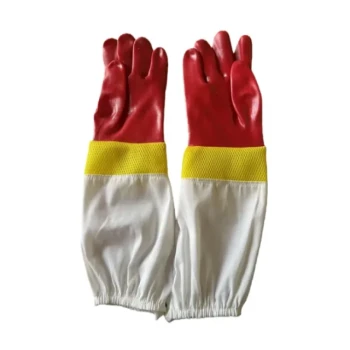
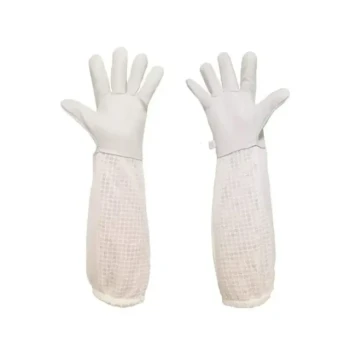
Sanitizing beekeeping protective gear is a fundamental biosecurity protocol. It serves as a critical defense line against the introduction and spread of pathogens within an apiary. By thoroughly cleaning gear before entering the yard, you remove parasites and bacteria accumulated during storage or previous use, directly lowering the risk of disease transmission as colonies enter their vulnerable spring development phase.
Core Takeaway While the physical design of protective gear safeguards the beekeeper from stings, the sanitation of that gear safeguards the hive from disease. Treating your equipment as a potential vector for pathogens is as important as the inspections themselves; failure to sanitize compromises the biological integrity of the entire apiary.
The Biosecurity Barrier
The primary function of sanitation is to disrupt the chain of disease transmission. Protective gear is not just a shield for the human operator; it is a mobile surface that interacts with multiple colonies.
Breaking the Pathogen Cycle
Pathogens and microscopic parasites can survive on fabrics and tools during storage. Entering an apiary with unwashed gear introduces these biological threats to the hive environment. Proper sanitation neutralizes these threats before they can establish a foothold in healthy colonies.
Protecting Spring Development
The primary reference highlights the critical nature of this process during spring development. Colonies are expanding rapidly and are metabolically active, making them highly susceptible to new infections. Ensuring a sterile entry point prevents setbacks during this high-growth period.
Enhancing Operational Precision
While sanitation addresses biological risks, the overall maintenance of gear—supported by the supplementary references—ensures the beekeeper can perform their duties effectively.
Facilitating Thorough Inspections
Clean, well-maintained gear provides the operator with safety and confidence. When a beekeeper feels secure, they are less likely to rush or neglect necessary hive checks. This allows for the precise identification of pest outbreaks and disease symptoms that might otherwise be missed.
Reducing Colony Stress
High-quality, well-maintained gear allows for calm handling of the bees. When the operator is not worried about equipment failure or stings, their movements are smoother and more deliberate. This reduces the stress response in the bees, minimizing mortality and aggression during interventions.
Common Pitfalls to Avoid
Understanding the role of sanitation requires acknowledging where many apiary managers fail.
The "Sting-Only" Mindset
A common mistake is viewing protective gear solely as anti-sting armor. This leads to the belief that if the suit has no holes, it is "ready for use." You must recognize that a suit can be physically intact but biologically compromised.
Neglecting Storage Contamination
Beekeepers often clean gear after the season but neglect it before the first spring inspection. Contaminants can settle or multiply during the offseason. Pre-entry sanitation is the only way to guarantee a neutral starting point for the season.
Making the Right Choice for Your Goal
To maximize the health and productivity of your apiary, apply these principles based on your immediate objectives.
- If your primary focus is Disease Prevention: Prioritize a rigorous sanitation schedule before the first spring inspection to eliminate pathogens accumulated during storage.
- If your primary focus is Operational Efficiency: Maintain the physical integrity of your gear to ensure operator confidence, which leads to more frequent and accurate pest control interventions.
Effective apiary management treats protective gear not just as clothing, but as a precision tool that requires biological sterilization to protect your livestock.
Summary Table:
| Aspect | Role in Apiary Management | Primary Benefit |
|---|---|---|
| Biosecurity | Disrupts pathogen transmission cycles | Prevents disease outbreaks in healthy hives |
| Spring Development | Protects colonies during rapid expansion | Minimizes biological stress on vulnerable bees |
| Operator Confidence | Ensures gear is clean and intact | Enables precise and thorough hive inspections |
| Colony Stress | Facilitates calm and smooth handling | Reduces bee mortality and aggression during checks |
| Storage Hygiene | Removes offseason contaminants | Guarantees a neutral start for the new season |
Secure Your Apiary’s Future with HONESTBEE
At HONESTBEE, we understand that high-performance beekeeping requires more than just physical protection—it requires a commitment to biological integrity. We cater to commercial apiaries and distributors worldwide, providing a comprehensive wholesale range of professional-grade beekeeping tools, specialized machinery, and essential consumables.
From durable protective suits to advanced honey-filling machines and hive-making equipment, our products are designed to meet the rigorous demands of large-scale operations. Enhance your efficiency and safeguard your hives—Contact Us Today to discuss our wholesale solutions and how we can support your business growth!
Related Products
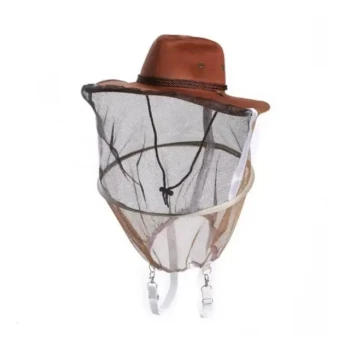
- Premium Cowboy Beekeeper Hat with Visibility Veil Outdoor Professional Beekeeping Protective Gear
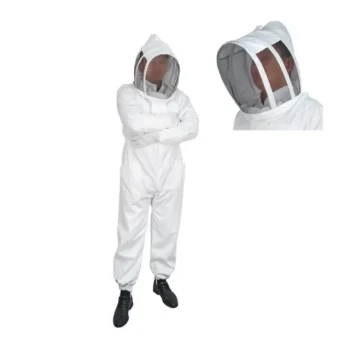
- Premium Cotton Beekeeper Suit with Reinforced Fencing Veil
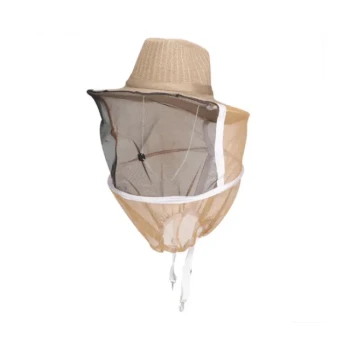
- Beekeeper Cowboy Hat and Veil for Beekeeping
- Beekeeping Jacket with Hood and Veil for Beekeepers
- White Cotton Beekeeping Jacket and Veil for Bee Keepers
People Also Ask
- What design features contribute to the stability and fit of the beekeeper hat? Key Features for Maximum Hive Safety
- How is the beekeeper hat designed for comfort and practicality? Explore Key Features for Enhanced Apiary Safety
- What is the general protective gear recommendation for new beekeepers? Your Essential Beginner's Safety Guide
- How does beekeeping protective gear facilitate the queen bee selection process? Enhancing Precision in Queen Breeding
- What should beekeepers consider when choosing protective gear? A Guide for Maximum Safety & Comfort