Royal jelly is a highly volatile substance that requires immediate environmental control to maintain its biological potency. To prevent the degradation of sensitive active components like 10-HDA and proteins, you must seal the jelly in dark, light-shielding glass bottles and store it in deep freezers at -18°C immediately after harvesting.
Core Takeaway The biological activity of royal jelly is unstable and begins to degrade the moment it is harvested due to heat, air, and light. Preserving its authentic molecular fingerprint requires blocking ultraviolet radiation with specialized glass and suppressing enzymatic reactions through deep freezing at -18°C.
Essential Equipment for Preservation
To successfully store royal jelly, you must rely on specific hardware designed to eliminate environmental variables.
Light-Shielding Glass Containers
Standard clear containers are insufficient for storing royal jelly. You must use dark, light-shielding glass bottles.
These containers are essential to block ultraviolet rays, which trigger oxidation reactions in the lipid components. By creating a physical barrier against light, you protect the delicate active proteins from immediate denaturation.
Industrial-Grade Deep Freezers
For long-term storage and chemical analysis, standard refrigeration is often inadequate. You require deep freezers capable of maintaining a constant -18°C.
This specific temperature is the threshold required to effectively suppress enzymatic reactions. It ensures the biological activity remains suspended, preserving the jelly for future distribution or testing.
Precision Temperature Control Systems
During processing or transport where deep freezing isn't possible, you need industrial-grade precision refrigeration.
This equipment must maintain a stable environment between 4°C and 5°C. This specific range is critical for "locking" the metabolic state of the jelly during short-term handling.
Understanding the Chemical Risks
The strict equipment requirements exist because royal jelly is chemically fragile. Understanding the specific threats helps you avoid degradation.
Preventing Maillard Reactions
Royal jelly is highly sensitive to temperature variations above 8°C.
If stored above this limit, Maillard reactions occur between carbohydrates and amino acids. This chemical process produces metabolic byproducts like fucose, permanently altering the molecular composition of the sample.
Protecting 10-HDA and pH Stability
Royal jelly is naturally acidic, with a pH of approximately 3.5.
This acidity makes the critical marker component 10-HDA (10-hydroxy-2-decenoic acid) unstable when exposed to heat or air. Proper sealing and cooling inhibit the decomposition of these chemical components.
Common Pitfalls to Avoid
While understanding the ideal conditions is vital, it is equally important to recognize where storage strategies often fail.
Relying Solely on Standard Refrigeration
While keeping royal jelly at 4°C to 5°C delays viscosity increases and inhibits microbial growth, it is a short-term solution.
For long-term preservation of the core nutritional components, this temperature range is insufficient to fully halt enzymatic degradation. Deep freezing at -18°C remains the superior standard for maximum potency.
Exposure to "Safe" Room Temperatures
There is a misconception that royal jelly can withstand moderate heat.
Bioactive substances can become inactivated rapidly. Even temperatures approaching 40°C will significantly degrade functional properties, effectively destroying the product's value before it reaches the consumer.
Making the Right Choice for Your Goal
Select your storage protocol based on how the royal jelly will be utilized.
- If your primary focus is long-term storage or chemical analysis: You must use light-shielding glass and deep freeze samples at -18°C to completely suppress enzymatic activity.
- If your primary focus is short-term transport or immediate processing: You must utilize a cold chain system with precision refrigeration that guarantees the temperature never rises above 5°C.
True preservation of royal jelly is not about keeping it cool; it is about arresting the chemical processes that destroy it.
Summary Table:
| Preservation Factor | Equipment Required | Storage Condition | Purpose |
|---|---|---|---|
| Light Exposure | Dark, light-shielding glass bottles | Block all UV radiation | Prevents lipid oxidation and protein denaturation |
| Long-term Stability | Industrial-grade deep freezers | -18°C or lower | Suppresses enzymatic reactions and Maillard reactions |
| Short-term Handling | Precision refrigeration systems | 4°C to 5°C | Locks metabolic state during processing and transport |
| Chemical Integrity | Airtight sealing hardware | Vacuum or airtight seal | Protects 10-HDA stability and maintains pH levels |
Maximize Your Royal Jelly Quality with HONESTBEE
Preserving the delicate biological activity of royal jelly requires more than just cooling—it requires professional-grade hardware and a robust cold chain strategy. As a leading provider for commercial apiaries and global distributors, HONESTBEE delivers the comprehensive solutions you need to maintain product integrity from harvest to sale.
Our extensive portfolio includes:
- Advanced Machinery: High-efficiency honey-filling and processing machines designed for precision.
- Premium Hardware: Durable beekeeping tools and specialized hive-making equipment.
- Industry Consumables: A full spectrum of essential supplies for high-volume operations.
Whether you are scaling your commercial apiary or expanding your distribution network, let HONESTBEE empower your business with reliable equipment and expert support.
Contact HONESTBEE Today to Upgrade Your Apiary Infrastructure
References
- Devrim Oskay, Gökhan BAYRAK. Investigation of Yield and Some Quality Features of Royal Jelly Harvested from Honeybee Colonies Fed with Food Substitutes. DOI: 10.29185/hayuretim.1185887
This article is also based on technical information from HonestBee Knowledge Base .
Related Products
- No Grafting Queen Rearing Kit: System for Royal Jelly Production and Queen Rearing
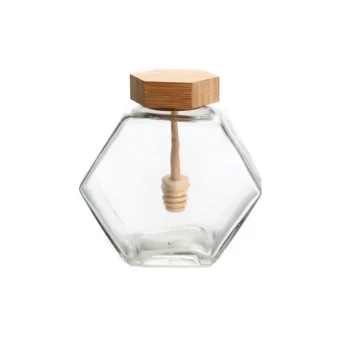
- Hexagonal Glass Honey Jar with Wooden Lid Integrated Dipper Elegant Functional Storage
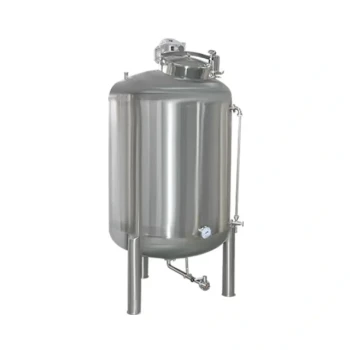
- Stainless Steel Honey Storage and Settling Tank with Double Strainer
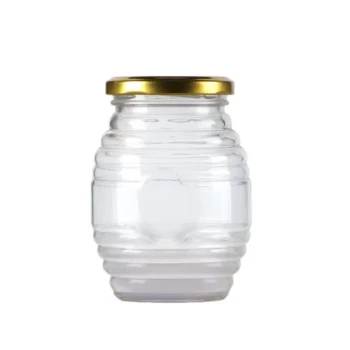
- Classic Glass Honey Jar with Metal Lug Cap for Beehive Storage
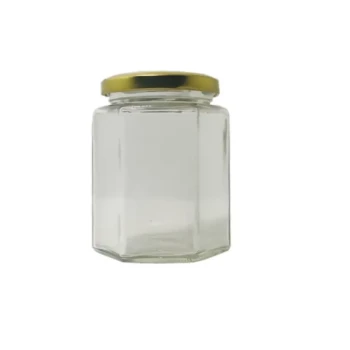
- Hexagonal Glass Honey Jars with Metal Lug Caps Elegant Versatile Packaging
People Also Ask
- What is the primary function of a queen rearing kit? Eliminate Manual Grafting for Superior Bee Breeding
- How do specialized queen rearing kits and queen management tools improve the success rate of bee colony expansion?
- What are some alternative methods to grafting for queen cell production? Discover Graft-Free Queen Rearing Systems
- Are queen rearing systems generally suitable for all honeybee species? Master Efficient Breeding Methods
- Are queen rearing systems suitable for all beekeepers? Modern Tools for Every Experience Level