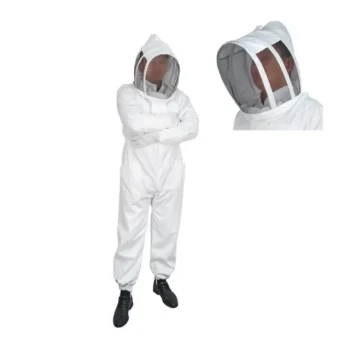
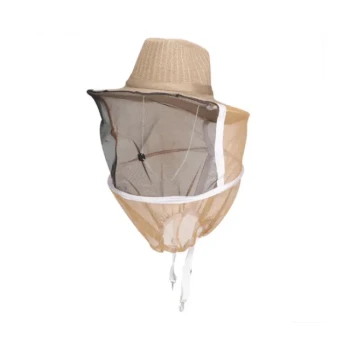
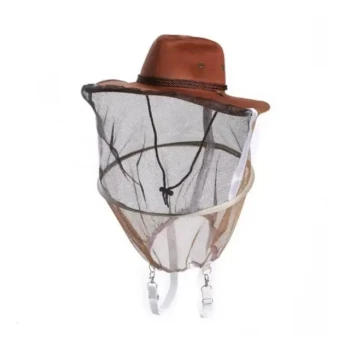
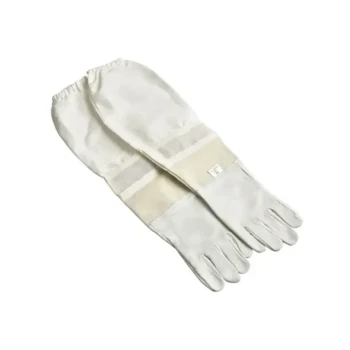
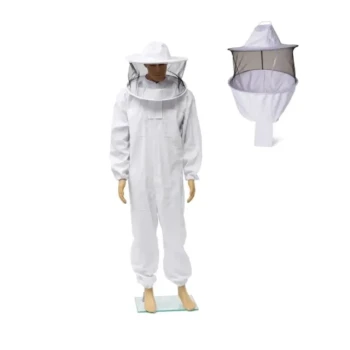
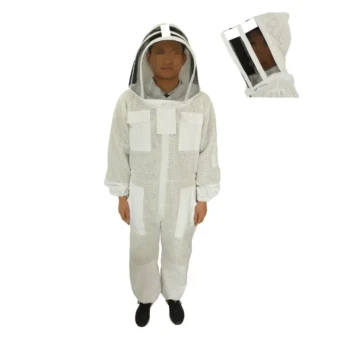
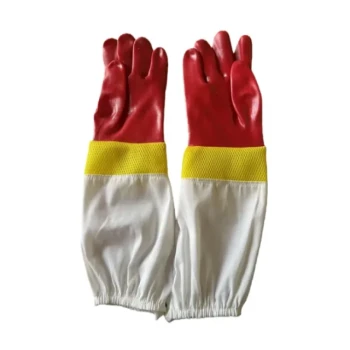
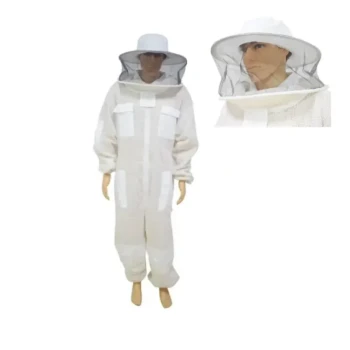
Immediate replacement is required when you detect specific flaws in the gear's physical integrity. According to safety standards, you must discard protective clothing if you find holes, broken zippers, or areas where the fabric has significantly thinned. These defects compromise the sting-proof barrier, rendering the equipment unsafe for use.
Core Takeaway The primary function of beekeeping gear is to provide an absolute barrier against stings. If the material or fastening systems are compromised in any way—regardless of how minor the damage appears—the gear has failed its purpose and must be replaced to ensure your safety.
Assessing Material Integrity
Fabric Thinning
Over time, washing and general wear can erode the density of the fabric. Thinning fabric is a critical warning sign because it reduces the material's ability to stop a stinger from reaching your skin.
If you can see light through the weave or the fabric feels significantly lighter than when purchased, the protective barrier is likely insufficient.
Punctures and Tears
Any visible hole is an immediate failure of the equipment. Beekeeping suits rely on being a sealed system; even a small tear invites bees to enter the suit.
While patches are sometimes attempted, the structural integrity of the surrounding fabric is often already compromised, making replacement the safer option.
Inspecting Fasteners and Seams
Zipper Functionality
Broken zippers are a leading cause for equipment replacement. If a zipper skips teeth, separates after closing, or loses its pull tab, the suit cannot be sealed effectively.
A zipper failure in the field can lead to a sudden influx of bees inside the veil or suit, creating a dangerous panic situation.
Elastic Degradation
Effective protective clothing relies on tight seals at the wrists and ankles to prevent bees from crawling up sleeves or pant legs.
Check the elastic bands at these openings. If the elastic has lost its snap or become loose, the suit no longer provides a secure seal against entry.
Seam Integrity
High-quality gear often features double-stitched seams for durability. Inspect these areas for unraveling threads or separation.
Loose seams can create gaps that are difficult to spot during a quick visual check but are easily found by bees seeking a way in.
Understanding the Trade-offs
Reliance on Under-layers
You might be tempted to extend the life of a worn suit by relying on thick clothing underneath. While thick denim or canvas painter’s pants provide a secondary layer of defense, they are not a substitute for a functional suit.
Under-layers cannot protect your face or neck if a zipper fails or a veil tears. Relying on jeans to compensate for a thinning suit creates a false sense of security.
The Cost of Replacement vs. Risk
Replacing high-quality gear is an investment, but the trade-off is your personal safety.
Attempting to "make do" with a suit that has a small hole or a tricky zipper significantly increases the probability of taking stings in sensitive areas. The cost of a new suit is generally far lower than the medical or psychological cost of a severe stinging incident.
Making the Right Choice for Your Goal
When deciding whether to repair or replace your gear, consider your safety priorities:
- If your primary focus is Absolute Safety: Replace the garment immediately upon finding any hole, broken zipper, or thinning fabric; do not attempt repairs.
- If your primary focus is Budget Management: You may temporarily patch small holes in non-critical areas (like legs), provided you wear thick canvas under-layers, but you must replace the gear as soon as funds allow.
Your protective equipment is only as strong as its weakest point; never compromise on the integrity of the barrier between you and the hive.
Summary Table:
| Sign of Wear | Impact on Safety | Recommended Action |
|---|---|---|
| Holes or Tears | Creates entry points for bees | Immediate Replacement |
| Broken Zippers | Compromises the sealed system | Immediate Replacement |
| Thinning Fabric | Reduces sting-proof barrier | Replace promptly |
| Loose Elastic | Allows bees to crawl into sleeves/legs | Replace or repair seals |
| Unraveling Seams | Structural failure and hidden gaps | Replace to ensure integrity |
Elevate Your Apiary Safety with HONESTBEE
Don't let worn-out gear compromise your commercial operations. At HONESTBEE, we specialize in supporting commercial apiaries and distributors with premium-grade beekeeping solutions. From high-durability protective suits and specialized hardware like honey-filling machines to a full spectrum of essential consumables, our wholesale offering is designed to scale with your business.
Ready to upgrade your equipment? Contact us today to explore our comprehensive portfolio and discover how our expertise in beekeeping machinery and cultural merchandise can drive value for your distribution network.
Related Products
- White Cotton Beekeeping Jacket and Veil for Bee Keepers
- Beekeeping Jacket with Hood and Veil for Beekeepers
- Premium Cotton Beekeeper Suit with Reinforced Fencing Veil
- Beekeeper Cowboy Hat and Veil for Beekeeping
- Professional Beekeeping Suit for Kids and Girls Childrens Bee Keeper Suit
People Also Ask
- What are the features of an economical beekeeping jacket? Essential Protection for Budget-Conscious Beekeepers
- What are the pros of using a beekeeping jacket? Unlock Superior Comfort and Mobility for Your Apiary
- What factors should a new beekeeper consider when choosing between a jacket and a full suit? Security vs. Comfort
- What are the advantages of a beekeeping jacket? Superior Mobility & Comfort for Routine Hive Inspections
- When is a beekeeping jacket considered a more suitable choice than a full suit? Optimize Your Apiary Mobility