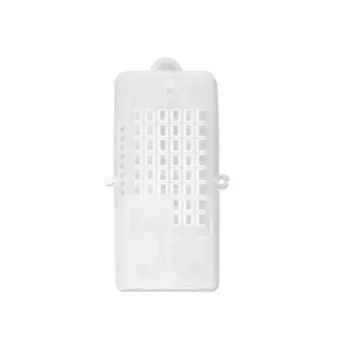
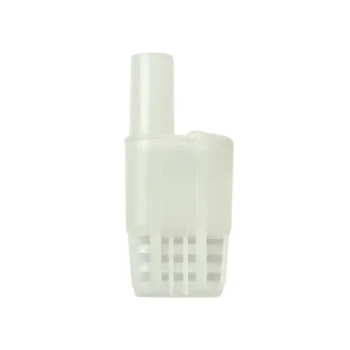
Removing a queen cage requires verification and gentle handling. Before attempting removal, you must visually confirm that the queen has successfully exited the cage and that no worker bees remain inside or are actively feeding on the candy plug. Once verified, use a bee brush or a gentle shake to clear any stragglers, then carefully extract the cage to minimize disturbance to the surrounding colony.
The critical prerequisite for removal is visual confirmation that the queen is no longer inside the cage. Once release is verified, the process focuses entirely on gentle extraction to maintain colony stability.
Verifying the Status of the Queen
Before you physically remove the cage, you must understand the current state of the introduction process. Removing a cage prematurely can endanger the queen or disrupt the hive's acceptance of her.
Inspect the Cage Interior
Your first step is a visual inspection of the cage itself. You must ensure the queen is no longer inside. If she remains trapped, removing the cage will remove her from the hive, defeating the purpose of the introduction.
Check the Candy Plug
Observe the status of the candy plug at the end of the cage. Ensure that no worker bees are still consuming the candy. If workers are still clustered on the plug or residing inside the cage, the release process may not be complete.
Executing the Removal
Once you have confirmed the cage is empty and the queen has been released, you can proceed with the physical removal. The goal here is to be as non-intrusive as possible.
Clearing Worker Bees
It is common for worker bees to linger on or inside the empty cage. You must remove these bees without crushing them or causing alarm. Beekeepers generally use a bee brush to sweep them away softly or give the frame a gentle shake to dislodge them.
Extracting the Cage
With the bees cleared, the cage is ready to be taken out. Pull the cage out carefully and slowly. Rapid movements or jarring the frame can disturb the rest of the colony, potentially leading to aggression or balling of the new queen.
Common Pitfalls to Avoid
While the process is straightforward, carelessness can lead to setbacks. Understanding these risks ensures you act with the necessary caution.
Avoiding Disruption
The primary risk during removal is disturbing the colony. If you are clumsy or rough while pulling the cage, you risk agitating the bees. In a colony that has just accepted a new queen, keeping stress levels low is vital for her survival.
Handling Stragglers
A common mistake is removing the cage while workers are still inside. Always double-check that the cage is completely void of bees before walking away with it. This prevents accidental removal of nurse bees or the queen herself if you misjudged her location.
Ensuring a Smooth Transition
Success depends on observation before action. Follow these guidelines based on your immediate observations of the hive.
- If your primary focus is queen safety: Do not remove the cage until you have positively identified that the queen is out and the interior is empty.
- If your primary focus is minimizing aggression: Utilize a bee brush rather than shaking the frame to clear bees, as this is less likely to agitate the colony.
By verifying the release first and handling the equipment gently, you ensure the new queen's integration continues without unnecessary stress.
Summary Table:
| Step | Action Item | Key Consideration |
|---|---|---|
| Verification | Confirm Queen Exit | Ensure the queen and candy plug are gone before removal. |
| Clearing | Remove Workers | Use a bee brush or gentle shake to clear lingering bees. |
| Extraction | Slow Removal | Pull the cage out carefully to minimize hive disturbance. |
| Post-Check | Monitor Colony | Observe for signs of aggression or 'balling' after removal. |
Scale Your Apiary Success with HONESTBEE
Transitioning a queen is a critical moment for any commercial operation. At HONESTBEE, we specialize in supporting commercial apiaries and distributors with the high-quality tools required for professional hive management.
Whether you need specialized beekeeping machinery, high-durability hardware, or essential industry consumables, our comprehensive wholesale offering is designed to increase your efficiency and yield. From hive-making machines to honey-filling equipment, we provide the full spectrum of tools needed to power your business.
Ready to upgrade your beekeeping operations? Contact us today to discover how our professional-grade equipment and machinery can drive your success.
Related Products
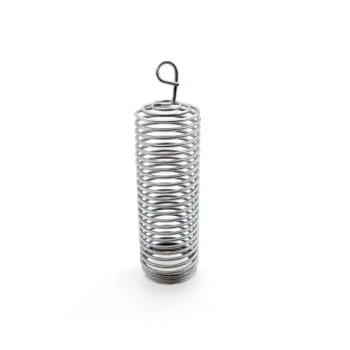
- Durable Galvanized Steel Spring Queen Bee Cage
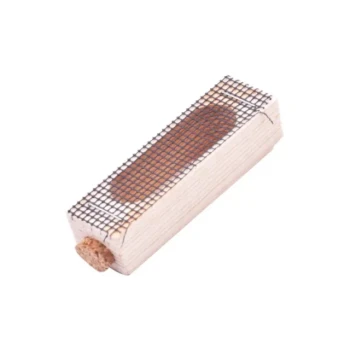
- Classic Wooden and Mesh California Queen Cage
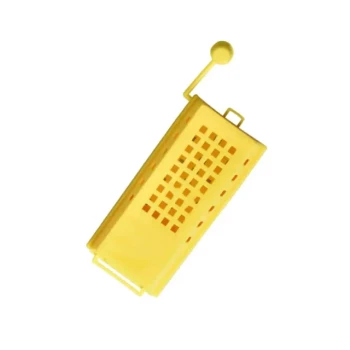
- Professional Queen Bee Introduction and Transport Cage
- Professional Queen Cage with Sliding Gate and Feeder Plug
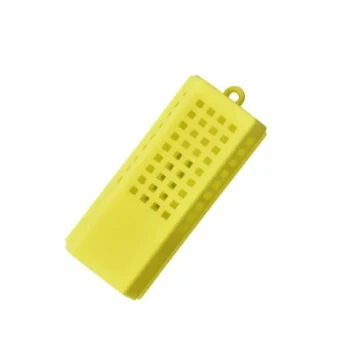
- Professional Multi-Compartment Queen Cage with Sliding Lid
People Also Ask
- Why are specialized queen bee cages used for the banking of mated queen bees? Maximize Commercial Apiary Storage Efficiency
- What is the mechanism of action for using temporary queen bee cages? Master Successful Queen Introduction
- What is the step-by-step process for installing a queen bee's cage onto a frame? Ensure Hive Acceptance Safely
- What is the optimal placement for a queen bee cage? Essential Strategies for Successful Re-queening
- What are the advantages and disadvantages of introducing a queen bee by embedding the cage? Boost Your Queen Acceptance