Artificial feeders and protein-based consumables provide a critical nutritional bridge during seasonal gaps in natural forage. By supplying sugar water and protein supplements during months of scarcity—specifically January, April, and May—beekeepers sustain the queen’s egg-laying capacity and worker bee vitality. This intervention prevents population collapse, ensuring the colony reaches optimal foraging size in time for the major honey flow in September.
The Core Insight Survival is not enough; the goal is timed peak performance. Artificial feeding does not just prevent starvation; it keeps the colony’s biological "machinery"—specifically the queen's reproductive cycle and worker gland activity—running at full speed so the hive is populous enough to capitalize on the next major harvest.
The Biological Necessity of Protein
Honeybees cannot sustain growth on sugar (energy) alone; they require protein for physical development and reproduction.
Maintaining Royal Jelly Production
The ability of a colony to raise new brood depends entirely on the physiology of nurse bees. Worker bees require high protein and lipid intake to activate their secretory glands.
Without these nutrients, workers cannot produce royal jelly. Supplementation with ingredients like soy protein isolate and brewer’s yeast ensures these glands remain active, stabilizing both the yield and quality of the royal jelly needed to feed the queen and developing larvae.
Preventing Reproductive Stagnation
The queen bee’s egg-laying rate is directly responsive to the incoming food supply.
If natural pollen is unavailable and no substitute is provided, the queen will reduce or cease egg-laying to conserve resources. Artificial protein sources trick the colony into behaving as if resources are abundant, maintaining a high birth rate even during droughts or seasonal lulls.
Operational Strategy: Timing and Stability
The primary reference highlights a specific operational timeline: surviving the dearths of January, April, and May to prepare for a September harvest.
Aligning Population with Production
A colony that shrinks during a forage gap takes months to recover. By the time natural nectar returns, a weakened colony will spend the season rebuilding its numbers rather than storing surplus honey.
Artificial feeding ensures the population curve remains upward-trending. This guarantees that when the major honey flow arrives in September, the hive is already at "foraging size"—maximum strength with a surplus of field bees ready to collect nectar immediately.
Mitigating Aggressive Behavior
Hunger changes colony behavior. During periods of nectar scarcity, highly active breeds (such as Italian bees) often resort to robbing—attacking weaker hives to steal resources.
Strategic feeding acts as a pacifier. By using high-energy consumables like refined sugar syrup, beekeepers can suppress these aggressive instincts. This reduces inter-colony conflict and prevents the unnecessary mortality of worker bees fighting to defend or steal food.
The Role of Internal Feeders
The method of delivery is as important as the feed itself.
Precision and Protection
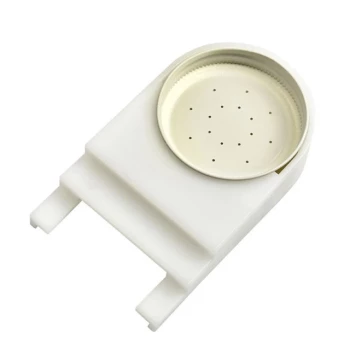
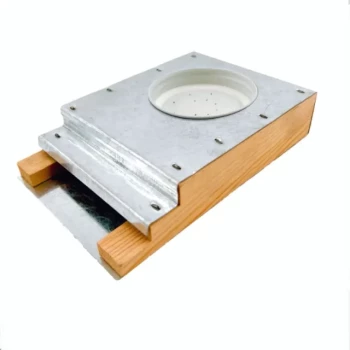
Internal feeders are essential tools for delivering nutrients in precise dosages. Unlike open feeding, internal devices protect the feed from environmental degradation, ensuring the active ingredients remain potent.
Preventing Robbing
Internal feeders also aid in hive security. By keeping the food source inside the hive, beekeepers prevent the scent of syrup from triggering robbing frenzies among neighboring colonies. This ensures the intended colony absorbs the nutrients rapidly and uniformly without inviting outside aggression.
Understanding the Trade-offs
While necessary, artificial feeding requires careful management to avoid unintended consequences.
The Risk of Dependency
Over-reliance on substitutes can mask underlying issues with the apiary's location. If a location requires constant feeding year-round, it may not be sustainable for commercial production.
Nutritional Completeness
While protein substitutes (soy, yeast) are effective, they are approximations of natural pollen. They provide essential amino acids and fatty acids, but natural pollen offers a complexity of micronutrients that is difficult to replicate perfectly. These supplements should be viewed as a bridge, not a permanent replacement for natural forage.
Making the Right Choice for Your Goal
Select your feeding strategy based on your primary objective for the season.
- If your primary focus is Honey Production: Prioritize feeding in January, April, and May to maximize population size specifically for the September flow.
- If your primary focus is Royal Jelly Harvesting: Focus heavily on high-quality protein and lipid supplements (soy/yeast/linseed) to maximize worker gland secretion.
- If your primary focus is Apiary Security: Use internal feeders and refined sugar syrup during dearths to suppress robbing behavior and reduce worker mortality.
Strategic feeding turns a seasonal crisis into a production opportunity, keeping the biological momentum of the hive moving forward.
Summary Table:
| Feeding Goal | Recommended Supplement | Timing/Key Benefit |
|---|---|---|
| Honey Production | Sugar Syrup & Protein | Feed Jan/Apr/May to peak for Sept harvest |
| Brood Rearing | Soy Isolate & Brewer's Yeast | Stimulates Royal Jelly and queen egg-laying |
| Colony Security | Internal Feeders | Prevents robbing behavior and reduces mortality |
| Vigor & Health | Lipids & Amino Acids | Bridges the gap during natural pollen droughts |
Maximize Your Apiary’s Potential with HONESTBEE
Don’t let seasonal forage gaps undermine your commercial success. HONESTBEE empowers commercial apiaries and distributors with high-performance solutions designed for hive stability and growth. We provide a complete spectrum of beekeeping tools, from precision internal feeders and honey-filling machines to premium consumables and specialized hardware.
Whether you are scaling your honey production or stocking your distribution network, our wholesale offerings provide the reliability you need. Contact us today to optimize your honey flow!
References
- Tariku Olana, Zerihun Demrew. Identification of Honey Bee Floras and Their Flowering Times in Wondo Genet, Southern Ethiopia. DOI: 10.7176/jrdm/59-01
This article is also based on technical information from HonestBee Knowledge Base .
Related Products
- HONESTBEE Entrance Bee Feeder Efficient Hive Front Liquid Feeding Solution for Beekeeping
- Professional In-Hive Frame Bee Feeder by HONESTBEE
- Classic Boardman Entrance Bee Feeder Hive Front Feeding Solution
- In-Hive Dual Compartment Frame Bee Feeder for Targeted Colony Nutrition
- Professional Hive Front Entrance Bee Feeder
People Also Ask
- What types of bee feeders are available for beginners? Start with the Simple Entrance Feeder
- What are the advantages and disadvantages of using an entrance feeder for bees? Balance Convenience and Hive Security.
- What is a bee entrance feeder and what are its drawbacks? Essential Guide to Hive Security and Feeding Efficiency
- How does a bee entrance feeder work? A Simple Guide to Convenient Hive Feeding
- How to make an entrance feeder for bees? A DIY Guide for Safe & Effective Feeding