Longitudinal truncated cells are utilized to create a direct, transparent viewing plane into the honeycomb structure. By modifying the cell geometry to expose a longitudinal cross-section against a glass side window, researchers can bypass the natural opacity of a beehive. This specific design allows for the unobstructed visualization of internal colony processes without disrupting the bees' natural behaviors.
By exposing the interior of the honeycomb, longitudinal truncated cells transform a concealed biological environment into an observable dataset. This structural innovation provides the necessary physical foundation for non-invasive, long-term automated monitoring of honeybee development.
Overcoming the Visibility Barrier
The Limitation of Standard Observation
In traditional observation hives, visibility is often limited to the surface of the comb. Deep-cell activities are obscured by the wax walls and the bees themselves. This opacity prevents researchers from seeing what occurs inside the individual cells during critical developmental stages.
The Cross-Sectional Solution
Longitudinal truncated cells solve this by effectively slicing the cell open lengthwise. This "cut" side is placed directly against a glass side window. This simple yet effective geometric change converts the side of the hive into a window directly into the brood nest.
Enabling Non-Invasive Study
The primary advantage of this configuration is the ability to observe without intrusion. Researchers can gather data on the normal life of the bee colony without opening the hive or manipulating frames. This ensures that the behaviors observed are natural and not reactions to human disturbance.
Unlocking Critical Behavioral Data
Tracking Larval Development
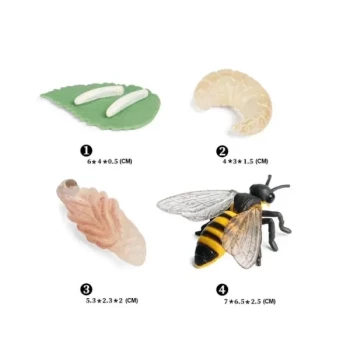
The design makes the entire process of larval development visible from the side. Researchers can monitor the growth of the bee from egg to pupa with high clarity. This allows for precise timestamping of developmental milestones that are usually hidden.
Monitoring Worker Interactions
Beyond simple growth, the cells allow for the observation of brood care behavior. The interaction between adult worker bees and the developing larvae becomes fully transparent.
Quantifying Feeding Frequency
A specific application of this visibility is measuring worker bee feeding frequency. Because the larvae are visible through the glass, researchers can count exactly how often and for how long workers tend to specific cells. This level of granularity is impossible in standard hive configurations.
Facilitating Modern Research Methods
The Foundation for Automation
Visual access is the prerequisite for modern data collection. These cells provide the physical foundation required for automated monitoring systems. Without the clear line of sight provided by the truncated design, cameras cannot capture valid data.
Long-Term Monitoring Capabilities
The stability of the setup allows for long-term monitoring. Automated systems can record the same cells over days or weeks. This generates robust, continuous datasets regarding colony health and behavior patterns.
Understanding the Constraints
Structural Specificity
Using truncated cells requires a specialized hive construction. The alignment between the truncated wax or plastic cells and the glass pane must be precise to prevent bees from building "wild comb" that obscures the view.
The Scope of Observation
This technique focuses intensely on specific cross-sections. While it offers deep insight into brood care and development, it restricts observation to the cells immediately adjacent to the glass. Activity occurring deeper in the hive, away from the observation window, remains unobservable by this specific method.
Making the Right Choice for Your Research
If your primary focus is general colony activity: Standard observation hives may suffice, as they allow you to see surface movements and general population health without the complexity of truncated cells.
If your primary focus is developmental biology or brood care: Longitudinal truncated cells are essential, as they are the only non-invasive method to visualize larval development and specific feeding frequencies.
If your primary focus is automated computer vision: This structural design is mandatory, as it provides the consistent, unobstructed visual data required to train and run automated monitoring algorithms.
By removing the physical barriers to observation, longitudinal truncated cells bridge the gap between biological curiosity and data-driven insight.
Summary Table:
| Feature | Benefit for Research |
|---|---|
| Transparent Cross-Section | Provides a direct line of sight into internal cell activities. |
| Non-Invasive Viewing | Observes natural behaviors without hive disruption or frame manipulation. |
| Developmental Tracking | Enables precise monitoring of larvae from egg to pupa stage. |
| Feeding Granularity | Allows researchers to quantify exact worker bee feeding frequencies. |
| Automation Foundation | Creates the clear visual data needed for computer vision and AI monitoring. |
Elevate Your Beekeeping Operation with HONESTBEE
Whether you are conducting advanced behavioral research or managing a large-scale commercial apiary, HONESTBEE provides the professional-grade tools you need to succeed. We specialize in serving commercial apiaries and distributors with a comprehensive wholesale range, including:
- Precision Machinery: From hive-making equipment to automated honey-filling machines.
- Full Spectrum Hardware: Durable beekeeping tools and specialized equipment designed for longevity.
- Industry Consumables: A wide array of essential supplies to keep your colonies thriving.
- Cultural Merchandise: Unique honey-themed products to expand your market reach.
Ready to scale your production and improve hive management? Contact HONESTBEE today to discuss our wholesale solutions and discover how our expertise can streamline your beekeeping business.
References
- Paul Siefert, Bernd Grünewald. Chronic within-hive video recordings detect altered nursing behaviour and retarded larval development of neonicotinoid treated honey bees. DOI: 10.1038/s41598-020-65425-y
This article is also based on technical information from HonestBee Knowledge Base .
Related Products
- HONESTBEE Professional Hive Top Bee Feeder Feeding Solution
- Stainless Steel Honey Bee Smoker Hive and Honeycomb Smoker for Beekeeping
- HONESTBEE Entrance Bee Feeder Efficient Hive Front Liquid Feeding Solution for Beekeeping
- HONESTBEE Entrance Bee Feeder Professional Hive Nutrition Solution for Beekeeping
- Galvanized Beekeeping Smoker for Honey Bee and Apiculture
People Also Ask
- How does a bee hive top feeder work? A Guide to Efficient, Protected Feeding
- What is a hive top feeder? A Guide to Efficient, Low-Stress Beekeeping
- Do I need an inner cover with a hive top feeder? Optimize Your Hive Setup for Healthy Bees
- What is a hive top feeder, and how does it work? A Complete Guide to Efficient In-Hive Feeding
- What are the characteristics, advantages, and disadvantages of hive top feeders? Optimize Your High-Volume Feeding