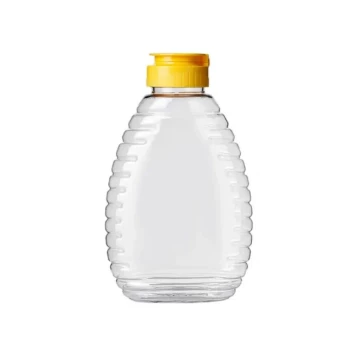
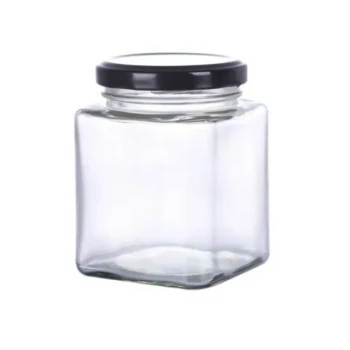
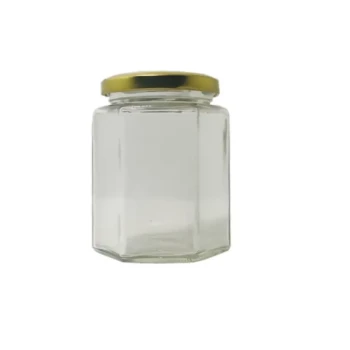
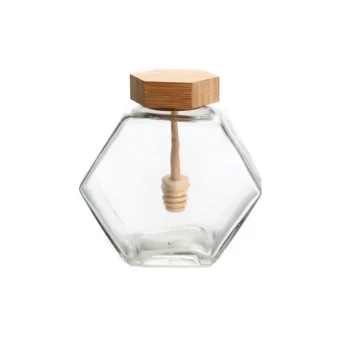
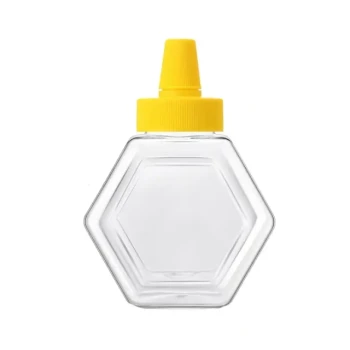
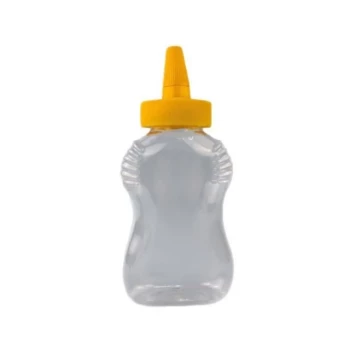
Plastic containers remain the dominant choice for honey collection primarily due to economic practicality and logistical efficiency. In many traditional regions, the low cost, lightweight nature, and ease of handling associated with plastic make it the default option, particularly where specialized professional storage equipment is unavailable.
The widespread use of plastic is a pragmatic trade-off: while it solves immediate logistical challenges regarding weight and cost, it introduces significant risks to the honey's chemical purity and stability if the plastic is not high-quality, food-grade material.
The Pragmatic Drivers of Plastic Use
Economic and Logistical Efficiency
The primary drivers for utilizing plastic are financial and operational. Plastic containers are significantly lighter than glass or metal, reducing shipping costs and making manual handling easier for beekeepers during the collection process.
Accessibility in Traditional Regions
In many traditional honey-producing areas, advanced storage technology is scarce. Beekeepers often rely on plastic simply because specialized, professional-grade honey storage equipment is not accessible or affordable.
The Risks to Honey Quality
Chemical Leaching and Heat Sensitivity
Honey is slightly acidic, which creates a risk when stored in inferior materials. Non-food grade plastics can release harmful substances into the honey, a process that is accelerated if the honey is exposed to high temperatures during storage or transport.
The Hygroscopic Threat
Honey is highly hygroscopic, meaning it naturally absorbs moisture from the air. Poorly sealed plastic containers fail to isolate the honey from the environment, leading to moisture absorption that dilutes the honey and eventually causes fermentation.
Impact on Bioactive Components
Inadequate isolation does not just affect shelf life; it degrades the nutritional value. Exposure to air and moisture can destabilize fragile antioxidant components, such as polyphenols and flavonoids, compromising the honey's biochemical profile.
Understanding the Trade-offs
The Pitfall of Non-Food Grade Materials
Not all plastics are equal. While food-grade plastic offers superior sealing and chemical stability—blocking odors and moisture—generic plastics pose a contamination risk. Unlike traditional containers like animal skins or clay pots, which are prone to microbial contamination, plastic is easier to clean, but only safe if certified for food contact.
The Superiority of Glass for Analysis
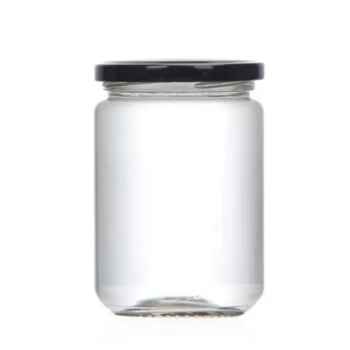
When absolute purity is required, such as in laboratory sampling, plastic is often insufficient. Sterile glass is chemically inert and ensures no reaction with the honey's acids, providing the most accurate reflection of the honey's original physicochemical indicators.
Making the Right Choice for Your Goal
Depending on whether you are prioritizing transport, storage, or analysis, the material requirements differ significantly.
- If your primary focus is Commercial Transport: Prioritize high-sealing food-grade plastic, which balances the need for low weight and durability with the necessity of blocking moisture and external odors.
- If your primary focus is Laboratory Analysis: Utilize sterile glass containers, as their superior chemical stability prevents secondary contamination and ensures the sample accurately reflects the honey's original microbial activity.
- If your primary focus is Long-Term Storage: Avoid non-food grade plastics entirely; ensure the container provides an airtight seal to prevent the absorption of atmospheric moisture and subsequent fermentation.
Select the container that protects the honey's delicate chemical balance, not just the one that is easiest to carry.
Summary Table:
| Factor | Food-Grade Plastic | Glass Containers | Generic Non-Food Plastic |
|---|---|---|---|
| Primary Use | Commercial Transport | Lab Analysis & Sampling | Not Recommended |
| Weight | Lightweight (Low shipping cost) | Heavy (High shipping cost) | Lightweight |
| Chemical Stability | High (Food-grade certified) | Inert (No chemical reaction) | Low (Leaching risk) |
| Moisture Barrier | Excellent (Sealed) | Superior | Poor |
| Durability | High (Impact resistant) | Fragile | Moderate |
Elevate Your Honey Production with HONESTBEE Professional Solutions
At HONESTBEE, we understand that the right equipment is the difference between a premium harvest and a compromised product. Whether you are a commercial apiary scaling up or a distributor seeking reliable machinery, we provide the full spectrum of beekeeping tools to ensure your honey maintains its bioactive integrity.
From high-performance honey-filling machines and specialized hive-making hardware to a comprehensive array of food-grade consumables, we empower your business with efficiency and safety. Don't let inferior storage compromise your brand's reputation.
Ready to optimize your apiary or wholesale inventory?
Contact HONESTBEE Today to discover how our professional beekeeping equipment and industrial machinery can drive your success.
References
- Kawnin Abdimahad, Fosiya Hussein. Assessment of Post-Harvest Handling Practices of Honey in Erer Zone, Somali Regional State, Ethiopia. DOI: 10.54536/ajaas.v2i2.1827
This article is also based on technical information from HonestBee Knowledge Base .
Related Products
- Squeezable No-Drip Beehive-Shaped Honey Jars with Flip-Top Cap
- Classic Beehive Honey Bottle Jar with Squeeze Dispenser Lid
- Food Grade Plastic Honey Bucket Pail for Beekeeping
- Modern Square Glass Honey Jar with Twist Off Lid
- Classic Honey Bear Jars with Flip Top Dispensing Cap for Liquid Sweeteners
People Also Ask
- What food safety standards must honey containers meet? Expert Guide to Packaging Integrity & Hygiene
- Why is it important to distinguish between weight and volume when selecting honey containers? Maximize Profits Now
- What are the benefits of purchasing honey containers in bulk? Maximize Margins & Secure Your Supply Chain
- What types of containers are ideal for storing liquid honey? Preserve Quality with Glass or Plastic
- How many jars of honey can you get from a hive? Maximize Your Yield with Strong Hive Management