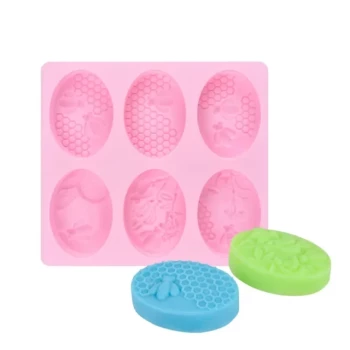
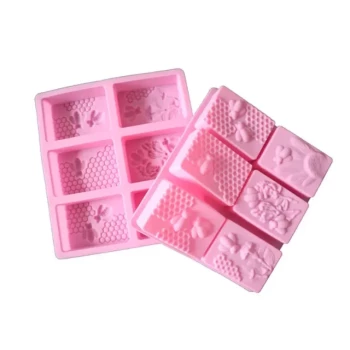
Sloped-sided molds are the preferred choice in beeswax rendering primarily to ensure the smooth and non-destructive removal of solidified wax blocks. Because beeswax undergoes slight volumetric shrinkage as it cools, the angled design creates a geometry where the wax pulls away from the walls, eliminating frictional resistance and preventing the block from becoming stuck.
While straight-sided containers often trap wax due to friction or suction, sloped molds leverage the natural shrinkage of cooling wax to mechanically release the block, preserving the structural integrity and commercial value of the final product.
The Mechanics of Wax Solidification
Understanding Thermal Contraction
As beeswax transitions from a liquid to a solid state, it naturally undergoes slight shrinkage.
This physical property is the critical factor in how the wax interacts with its container. If the container does not accommodate this change in volume, the wax cannot settle properly without adhering to the sides.
The Role of Geometry
The design of the mold dictates whether this shrinkage aids or hinders the process.
In a sloped container, the wax shrinks "inward" and "downward" away from the angled walls. This movement creates an immediate physical gap between the solidifying block and the mold, breaking the surface tension.
Why Extraction Method Matters
Eliminating Frictional Resistance
The primary operational benefit of sloped sides is the elimination of frictional resistance.
Vertical or straight-sided containers maintain contact with the wax even as it shrinks, creating friction that can lock the block in place. Sloped sides ensure that once the cooling process is complete, there is zero resistance holding the block against the container walls.
Preserving Commercial Quality
For professional renderers, the appearance of the finished wax block is a key indicator of quality.
Using molds that require prying or force to empty results in cracked, chipped, or broken blocks. Sloped molds allow the technician to remove the block gently, maintaining a pristine, commercial-grade finish.
Common Pitfalls in Container Selection
The Risk of Vertical Walls
A common mistake is utilizing household buckets or pans with perfectly vertical sides.
Even with the natural shrinkage of wax, vertical walls often create a vacuum or friction seal. This frequently forces the operator to damage the container or the wax just to separate the two.
Integrity vs. Force
When wax sticks to a straight-sided container, removal often requires striking the mold.
This physical shock causes fracturing within the crystalline structure of the wax. By failing to use sloped molds, you risk converting a single high-value block into unusable fragments that may require re-melting.
Optimizing Your Rendering Process
To ensure efficiency and product quality, select your equipment based on your end goals:
- If your primary focus is process efficiency: Choose sloped molds to reduce the time and physical effort required to empty containers between batches.
- If your primary focus is commercial sales: Rely on sloped designs to ensure every block emerges intact, smooth, and ready for the market without cosmetic defects.
By aligning your equipment with the physical properties of cooling wax, you transform extraction from a struggle into a seamless step in your production line.
Summary Table:
| Feature | Sloped-Sided Molds | Straight-Sided Containers |
|---|---|---|
| Extraction Ease | High; wax pulls away from walls | Low; often requires force/prying |
| Physical Effect | Leverages natural shrinkage | Creates friction and vacuum seals |
| Block Integrity | Maintains smooth, pristine finish | Risk of cracking and chipping |
| Process Speed | Fast; seamless removal | Slow; prone to stuck batches |
| Market Value | High (Commercial Grade) | Variable (Risk of broken fragments) |
Elevate Your Beeswax Production with HONESTBEE
For commercial apiaries and distributors, the quality of your finished wax is a direct reflection of your operation's efficiency. HONESTBEE provides the professional-grade beekeeping tools, machinery, and rendering equipment you need to transform raw materials into high-value commercial products. From specialized wax molds and honey-filling machines to a complete range of industrial consumables, we empower your business with reliable hardware and honey-themed merchandise.
Ready to optimize your yield and streamline your workflow?
Contact us today to discuss your wholesale needs!
References
- Meseret Gemeda, Deressa Kebebe. Evaluation of the Quality of Beeswax from Different Sources and Rendering Methods. DOI: 10.20431/2349-0365.0706005
This article is also based on technical information from HonestBee Knowledge Base .
Related Products
- Colorful Silicone Beeswax Foundation Mold Mould for Beekeeping
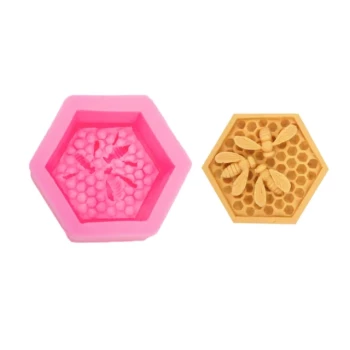
- 3D Square Honeycomb Pillar Silicone Candle Molds for Making Beeswax Candles
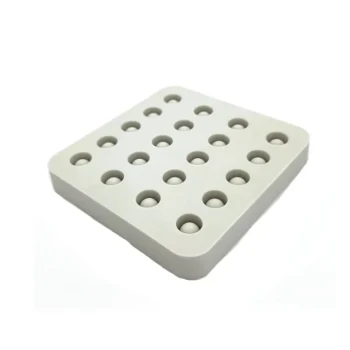
- High-Efficiency 20-Cell Silicone Mold for Beeswax Bee Queen Cup Production
- Notebook Style Beeswax Foundation Mould Wax Foundation Mold
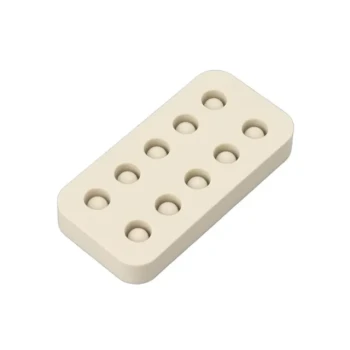
- 10-Cell Silicone Beeswax Bee Queen Cups Forming Mold
People Also Ask
- How do beeswax foundation molds facilitate the construction of standardized honeycombs? Optimize Your Apiary Efficiency
- How do you use the Foundation Mold to create beeswax foundation? Master DIY Beekeeping with Precision
- How can beeswax value-addition processes be utilized to increase beekeeping revenue? Boost Your Apiary Profitability
- What is the first tip for pouring beeswax into a silicone mold? Ensure a Perfect Release
- Why are specific wax foundation molds used to downsize brood cells? Master Mechanical Pest Inhibition