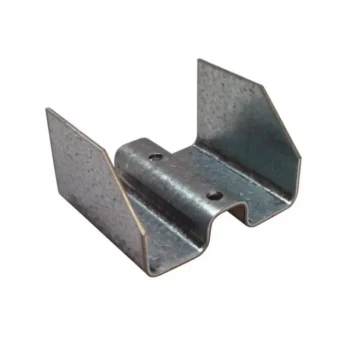
Specialized pallets and trailers are necessary because they solve the unique challenge of rapidly loading and securing hundreds of live beehives while maintaining a life-sustaining environment. Unlike standard cargo, honeybee colonies are live biological assets that require specific engineering to ensure critical ventilation, stability, and compliance with highway weight and size regulations during multi-day transits.
The transport of commercial honeybees requires treating the cargo as a live biological asset rather than inert freight; specialized equipment ensures survival by balancing airflow requirements with load stability.
The Challenge of Transporting Biological Assets
Maintaining Colony Health
Transporting honeybees is fundamentally different from hauling dry goods. The cargo consists of live biological assets that are sensitive to stress, heat, and confinement.
Standard shipping containers or flatbeds lack the specific design features required to keep these biological systems functioning. Specialized equipment is necessary to maintain the health and biological activity of the bees throughout the journey.
The Critical Role of Ventilation
One of the most significant risks during transport is overheating. Honeybee colonies generate significant metabolic heat, especially when confined.
Specialized trailers and pallet configurations are designed to maximize airflow. This critical ventilation prevents the colonies from suffocating or overheating, which can lead to a total loss of the load during long trips.
Logistical and Regulatory Requirements
Speed and Stability in Loading
Commercial pollination requires moving thousands of hives in short windows of time. Specialized pallets facilitate the rapid loading of hives, allowing forklifts to move multiple colonies as a single, secure unit.
This efficiency reduces the time bees spend in transit and minimizes the stress of the loading process. Secure pallets also prevent hives from shifting or tipping, which is vital for safety on the road.
Adherence to Weight and Size Laws
Despite the unique nature of the cargo, bee transport must still comply with standard highway weight and size regulations.
Honey can be incredibly heavy, making weight distribution a challenge. Specialized trailers are engineered to distribute this density correctly, ensuring the vehicle remains legal and safe to operate at highway speeds.
Understanding the Trade-offs
Specificity vs. Versatility
The primary downside to this equipment is its lack of versatility. A trailer optimized for ventilation and bee pallet dimensions is often ill-suited for general freight.
This operational rigidity means the equipment may sit idle during off-seasons, representing a significant capital expense that does not generate revenue year-round.
Biological Risks of Equipment Failure
Because the equipment serves as a life-support system, failure has higher stakes. A broken strap or structural failure on a specialized pallet doesn't just damage goods; it can result in the loss of live stock.
This necessitates a higher standard of maintenance and inspection compared to standard logistics equipment to prevent biological loss.
Making the Right Choice for Your Operation
To ensure the safety and legality of your pollination transport, consider your primary objectives:
- If your primary focus is operational speed: Prioritize pallets designed for rapid forklift engagement to minimize the time bees spend stationary on the loading dock.
- If your primary focus is colony survival: Invest in trailers with advanced ventilation designs to manage heat buildup during multi-day journeys.
Successful commercial pollination relies on the understanding that you are not just moving boxes, but sustaining a living ecosystem on the highway.
Summary Table:
| Feature | Specialized Equipment Benefit | Risk of Standard Logistics |
|---|---|---|
| Ventilation | High-airflow design prevents metabolic overheating | High risk of colony suffocation and heat death |
| Loading Speed | Rapid forklift-compatible pallet systems | Slow manual loading increases bee stress and downtime |
| Load Stability | Engineered for hive density and weight distribution | High risk of shifting, tipping, and structural failure |
| Regulation | Compliant with highway size and weight limits | Potential for overweight fines or safety violations |
| Asset Safety | Protects live biological cargo integrity | Treats bees as inert freight, leading to stock loss |
Optimize Your Commercial Apiary with HONESTBEE
Moving hundreds of live colonies requires precision-engineered equipment that balances logistical efficiency with biological safety. HONESTBEE specializes in supporting commercial apiaries and distributors with a comprehensive range of professional beekeeping tools, from hive-making machinery and honey-filling systems to specialized hardware designed for heavy-duty commercial use.
Whether you are expanding your pollination fleet or upgrading your honey production line, our wholesale offerings provide the durability and performance your business demands. Protect your biological assets and streamline your operations today.
Ready to scale your beekeeping business?
Contact our experts for a wholesale quote
References
- Brittney K. Goodrich, Rachael E. Goodhue. The Great Bee Migration: Supply Analysis of Honey Bee Colony Shipments into California for Almond Pollination Services. DOI: 10.1093/ajae/aaz046
This article is also based on technical information from HonestBee Knowledge Base .
Related Products
- Food Grade Plastic Honey Bucket Pail for Beekeeping
- Yellow Plastic Bucket Pail Perch for Beekeeping
- Plastic Transporting Bee Packages and Nuc Boxes for Beekeeping
- Professional 600D Oxford Cloth Beekeeping Tool Bag with 8 Pockets and Elastic Loops
- Professional Beekeeper Suit with Square Folding Cotton Veil
People Also Ask
- What key operational precautions should be taken when using honey buckets and extractors fitted with bottom drain taps?
- What functions do food-grade honey buckets perform? Safeguard Your Harvest and Optimize Apiary Logistics
- Why are food-grade plastic buckets preferred for honey? Protect Quality with Modern Honey Collection Tools
- What is the significance of food-grade plastic honey collection buckets? Boost Quality in Forest Honey Logistics
- What is a honey pail? The Essential Container for Protecting Your Honey's Value