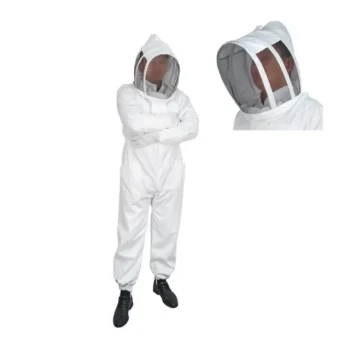
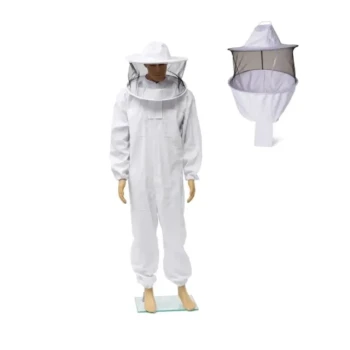
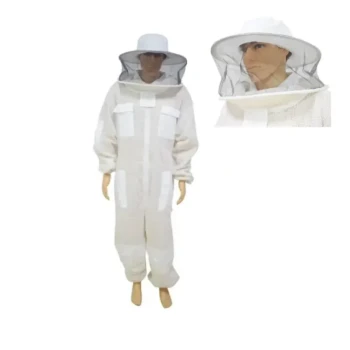
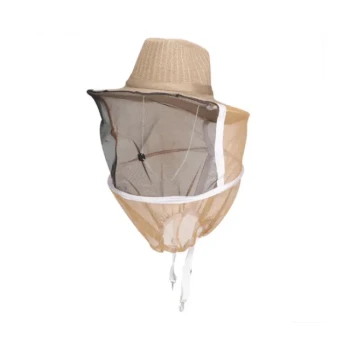
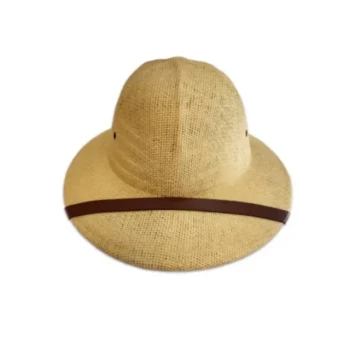
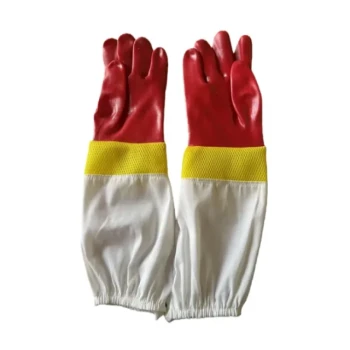
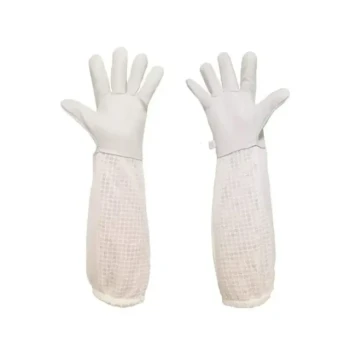
Beekeepers wear white primarily to minimize defensive behavior from the colony. Bees instinctively associate dark colors with natural predators, prompting aggression, while white or light colors generally appear neutral and non-threatening to the hive. Additionally, light clothing provides vital visibility for spotting stray bees and offers thermal comfort during hive inspections.
While white gear is not a mandatory rule, it serves as a critical safety measure by strictly adhering to bee biology. Light colors reduce the likelihood of stinging by distinguishing the beekeeper from dark-furred predators and facilitate the safe removal of bees before leaving the yard.
The Biological Basis for White Gear
Triggering the Predator Instinct
Honey bees have evolved over millions of years to defend their hives against specific threats. In the wild, their primary predators are large mammals with dark fur, such as bears or badgers.
Reducing Aggression
When a beekeeper wears dark clothing, they inadvertently mimic the appearance of these natural enemies. This can trigger a defensive response, causing the colony to become agitated and aggressive.
The Neutrality of Light Colors
Conversely, bees are significantly less aggravated by white or light colors. By wearing white, a beekeeper presents a neutral visual profile that does not trigger the hive's innate alarm regarding predators.
Practical Advantages for the Beekeeper
Identifying Hitchhikers
Beyond bee behavior, white clothing serves a functional safety purpose for the beekeeper. It provides a high-contrast background, making it much easier to spot dark bees that may have landed on your suit.
Preventing Indoor Infestations
This visibility allows the beekeeper to gently remove stray bees before leaving the bee yard. This is critical for preventing bees from being accidentally carried into a vehicle or home.
Thermal Regulation
Beekeeping is often performed during the warmest parts of the day in summer. White clothing reflects sunlight, keeping the beekeeper cooler compared to dark fabrics that absorb heat.
Understanding Material Trade-offs
Texture is as Important as Color
While color is vital, the material texture also influences bee behavior. Bees tend to react unfavorably to fuzzy materials or clothing made from animal fiber, regardless of the color.
The Heat vs. Protection Balance
Smooth materials like ripstop nylon are excellent for preventing stings and allow bees to slip off easily. However, these synthetic fabrics can become uncomfortably hot in high summer temperatures, unlike breathable cotton.
Suit vs. Jacket
New beekeepers often purchase full suits for maximum mental and physical security. However, as experience grows, many transition to a simple bee jacket and veil, prioritizing mobility and comfort over full-body coverage.
Making the Right Choice for Your Goal
While the standard image of a beekeeper involves a full white suit, your choice of gear should depend on your environment and experience level.
- If your primary focus is safety and minimizing stings: Choose white or light tan clothing to avoid triggering the bees' predator instinct.
- If your primary focus is biosecurity and containment: Wear bright white gear to easily spot and remove hitchhiking bees before entering your home or car.
- If your primary focus is working in high heat: Opt for light-colored, breathable fabrics rather than heavy synthetics to reflect the sun and manage body temperature.
The goal is to blend into the background of the apiary, appearing neither as a threat nor a target, allowing you to work the hive with calm precision.
Summary Table:
| Feature | Benefit of White/Light Colors | Impact on Bee Behavior |
|---|---|---|
| Predator Instinct | Distinguishes keepers from dark-furred predators | Minimizes defensive and aggressive responses |
| Visibility | Provides high contrast for spotting dark bees | Prevents carrying 'hitchhiker' bees home |
| Thermoregulation | Reflects sunlight and reduces heat absorption | Keeps the beekeeper cool and focused in summer |
| Material Texture | Smooth fabrics allow bees to slip off easily | Reduces the chance of bees getting trapped and stinging |
Elevate Your Apiary with Professional-Grade Gear
At HONESTBEE, we understand that the right equipment is the foundation of a successful beekeeping operation. We provide commercial apiaries and distributors with a comprehensive wholesale selection of premium white bee suits, jackets, and high-performance protective gear designed to minimize hive aggression and maximize comfort.
From high-durability protective clothing to advanced honey-filling machines and essential consumables, our portfolio covers the full spectrum of industry needs. Contact us today to discover how our wholesale solutions and specialized machinery can enhance your business efficiency and keep your beekeeping operations running safely.
Related Products
- Premium Cotton Beekeeper Suit with Reinforced Fencing Veil
- Professional Cotton Beekeeper Suit with Round Veil Design for Commercial Apiaries
- Professional Beekeeper Suit with Square Folding Cotton Veil
- Vented Beekeeping Jacket with Hood and Veil for Beekeepers
- Professional Beekeeping Suit for Kids and Girls Childrens Bee Keeper Suit
People Also Ask
- What material and design specifications are recommended for a high-quality beekeeper suit? Top Gear Selection Guide
- How to Pre-treat Propolis Stains on Beekeeping Suits? Master Advanced Fabric Care and Soil Removal
- What features should be considered for sting protection in a beekeeping suit? Ensure Total Safety and Comfort
- What are the differences between full suits and jackets with veils in beekeeping? Choose Your Best Protection
- What features should be looked for in a beekeeping suit for maximum comfort? Prioritize Ventilation and Fit