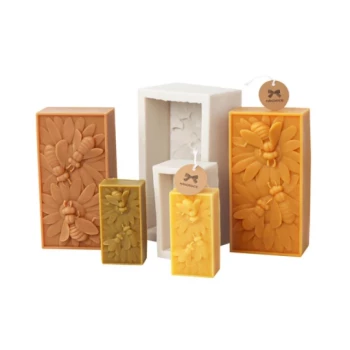
Raw beeswax requires cleaning and rendering because, in its natural state immediately after harvest, it is effectively a "dirty" byproduct filled with organic debris and residues. Before it can be used for practical applications like candle making, cosmetics, or foundation sheets, it must be processed to remove contaminants that compromise its physical structure, flammability, and shelf stability.
The Core Necessity of Rendering Raw beeswax is rarely pure wax; it is a matrix of wax, sugars, and solids. Rendering is the essential purification step that separates the usable fuel (wax) from the physical contaminants (slumgum) and chemical residues (honey) that would otherwise cause projects to fail.
The Components of "Raw" Wax
To understand why cleaning is necessary, you must understand what "raw" actually entails. It is not merely unpolished; it is contaminated.
Physical Debris
Raw wax, particularly from crushed combs or cappings, is full of solids. This includes bee cocoons, propolis (a sticky resin), pollen, wood splinters from the hive frames, and general hive debris.
Chemical Contaminants
Beyond solids, raw wax contains residual honey. Honey is water-soluble and sugar-based, whereas wax is a lipid. If honey remains trapped in the wax, it can lead to fermentation, stickiness, or inconsistent melting points.
Why Purity Dictates Performance
The specific reason for rendering depends heavily on the intended end-use of the wax. The primary reference highlights that purity directly affects performance.
The Candle Making Threshold
This is the most unforgiving application. If you attempt to make a candle with unrendered wax, the particulate matter (pollen, dust, cocoon fragments) will be drawn up into the wick along with the melted wax.
These particles do not vaporize; they clog the wick's microscopic channels. This stops the flow of fuel, causing the flame to sputter and eventually self-extinguish.
Cosmetic and Storage Stability
For balms or salves, grit is unacceptable for texture. Furthermore, biological contaminants like pollen or left-over honey can spoil over time, reducing the shelf life of the final product and potentially encouraging mold growth.
The Mechanics of Purification
Rendering is not just melting; it is a method of separation.
Separation via Density
The process typically involves melting the wax with water. Because wax is less dense than water, it floats to the top, while heavy impurities (dirt, sludge) sink to the bottom, and water-soluble impurities (honey) dissolve into the water.
Filtration Layers
Once melted, the wax is poured through filters—such as cheesecloth, nylon, or sweatshirt fabric. This step mechanically catches the lighter debris, such as wood splinters or bee parts, that might otherwise float with the wax.
Common Pitfalls to Avoid
While the concept is simple, the execution has trade-offs that you must manage.
The Myth of the "Single Pass"
A single rendering is rarely sufficient for high-quality projects. A "dirty" layer often forms on the bottom of the cooled wax cake. This must be scraped off, and the wax often needs to be re-melted and re-filtered to achieve "candle-grade" purity.
Equipment Contamination
Beeswax is notoriously difficult to clean off equipment. You should never use your primary kitchenware or household sinks. The wax hardens instantly in cool pipes, leading to severe plumbing clogs. Dedicated equipment (kettles, crockpots) is mandatory.
Making the Right Choice for Your Goal
The level of rendering you need to perform depends entirely on your project requirements.
- If your primary focus is Candle Making: You must render the wax multiple times until it passes through a fine filter (like a coffee filter or tight silk) without leaving visible residue; anything less will clog your wicks.
- If your primary focus is Woodworking or Rust Proofing: You may stop after a single render and coarse filtration, as minor impurities will not affect the wax's ability to seal or lubricate surfaces.
- If your primary focus is Cosmetics: You require high purity to ensure a smooth texture and to prevent the spoilage of organic contaminants trapped within the mixture.
Proper rendering transforms a waste product into a valuable, shelf-stable material ready for professional use.
Summary Table:
| Contaminant Type | Examples | Impact on Final Product |
|---|---|---|
| Physical Debris | Cocoons, propolis, wood, pollen | Clogs candle wicks; creates gritty texture in balms. |
| Chemical Residues | Residual honey, sugars | Causes fermentation, stickiness, and mold growth. |
| Biological Matter | Bee parts, larvae remains | Reduces shelf life and compromises hygiene standards. |
| Soluble Impurities | Dust, fine particulates | Results in sputtering flames and inconsistent melting. |
Elevate Your Apiary Production with HONESTBEE
Transforming raw hive products into premium, marketable goods requires the right tools. HONESTBEE specializes in supporting commercial apiaries and distributors with a comprehensive range of professional-grade equipment.
From high-efficiency honey-filling machines to specialized hive-making machinery and essential consumables, we provide the end-to-end solutions your business needs to scale. Whether you are producing artisanal candles or supplying wholesale beeswax, our portfolio ensures your operations remain efficient and your products meet the highest industry standards.
Ready to upgrade your beekeeping infrastructure?
Contact HONESTBEE today to explore our wholesale offerings
Related Products
- Beeswax Machine Press Embosser Wax Foundation Mold Printer Bee Hive Equipment Making Sheet
- Beeswax Foundation Sheets Beehive Foundation for Wholesale
- Colorful Silicone Beeswax Foundation Mold Mould for Beekeeping
- Economy Manual Beeswax Embossing Mill Wax Foundation Machine Roller
- Electric Beeswax Flat Sheet Machine with Operating Tray for Wax Processing
People Also Ask
- What equipment is needed to make beeswax foundation? A Guide to DIY Wax Sheet Production
- What miscellaneous equipment is needed for making foundation? A Guide to the Essential Tools
- What miscellaneous equipment is useful when making beeswax foundation? Essential Support Tools for Beekeepers
- What specific equipment is required for making beeswax foundation? Essential Tools for High-Quality Production
- What is the recommended temperature for melting beeswax to make foundation sheets? Master the 70°C-80°C Ideal Range