Feeding pollen substitute is a direct response to environmental resource scarcity. In many modern landscapes, urbanization and intensive agriculture have drastically reduced the natural forage bees rely on. This scarcity is often compounded by extreme weather, such as heatwaves and drought, which cause available flowers to shrivel; without supplemental protein, these conditions lead to a rapid decline in colony health.
Natural pollen shortages are now a common reality rather than an exception. While sugar syrup provides energy, pollen substitute supplies the essential protein required for brood rearing, acting as a critical bridge during environmental dearths to prevent colony collapse.
The Decline of Natural Forage
The necessity of feeding substitutes stems primarily from a changing environment that can no longer support bees year-round without intervention.
Urban and Agricultural Deserts
Urban sprawl and monoculture farming have eliminated the diverse array of flowering plants bees historically relied upon. In these areas, continuous natural bloom is rare, creating nutritional gaps that threaten colony survival.
The Impact of Extreme Weather
Even when plants are present, environmental stress plays a major role. Hot, dry conditions can stop plants from producing pollen or nectar, effectively starving the hive despite the presence of greenery.
Biological Drivers for Supplementation
Beyond survival, beekeepers use pollen substitutes to manipulate the biological rhythms of the hive for better performance.
Stimulating Brood Rearing
The presence of pollen—real or substitute—signals the colony to increase reproduction. An abundance of protein encourages the queen to lay more eggs, directly boosting the hive's population.
Supporting Nurse Bees
Larvae cannot consume raw pollen; they rely on brood food produced by nurse bees. Nurse bees must consume significant amounts of protein to generate this food, making supplements vital when natural sources are insufficient.
Early Spring Buildup
Beekeepers often feed substitutes during the early spring buildup phase. This gives the colony a "head start" before natural blooms appear, ensuring a strong workforce is ready when the major nectar flow begins.
Understanding the Trade-offs
While necessary, choosing the right type of supplement involves balancing cost, safety, and hive management.
Safety and Cost Efficiency
Using natural bee pollen from other sources can be risky, as it may introduce pathogens to your hive. High-quality natural pollen is also prohibitively expensive. Consequently, soy protein-based substitutes have become the standard solution for providing safe, cost-effective nutrition.
The Problem with Patties
Pollen patties are a common delivery method, but they carry risks. They must be consumed immediately; otherwise, they attract pests like small hive beetles, which can infest the hive.
Advantages of Dry Feeding
Bulk dry feeding solves several logistical problems. Bees can store dry substitute for later use, it is generally ignored by hive beetles, and it requires less labor since the beekeeper does not need to open every hive. Additionally, it can distract aggressive "robber" bees late in the season.
Making the Right Choice for Your Goal
The decision to feed pollen substitute should always be based on an assessment of local forage conditions and your specific objectives for the apiary.
- If your primary focus is rapid spring growth: Feed substitute alongside light sugar syrup to mimic a resource abundance, triggering the queen to lay eggs early.
- If your primary focus is hive defense and low maintenance: Utilize bulk dry feeders during late summer dearths to distract robber bees and minimize the need to disturb the colonies.
- If your primary focus is biosecurity: Avoid purchasing natural pollen pellets from unknown sources and rely on reputable soy-based substitutes to prevent disease introduction.
By monitoring environmental conditions and intervening with protein supplements before a population crash occurs, you ensure your colonies remain robust regardless of the landscape.
Summary Table:
| Factor | Impact of Pollen Substitute | Best Practice/Method |
|---|---|---|
| Resource Scarcity | Bridges gaps caused by urban sprawl and drought | Monitor local forage & provide supplemental protein |
| Brood Rearing | Stimulates queen laying & supports nurse bees | Feed during early spring buildup or late summer dearth |
| Hive Safety | Prevents pathogen transfer (vs. raw pollen) | Use high-quality soy-based substitutes |
| Pest Management | Reduces small hive beetle risks | Opt for bulk dry feeding over patties in pest-prone areas |
| Population Growth | Ensures a strong workforce for nectar flow | Combine with light sugar syrup to trigger growth |
Maximize Your Apiary's Potential with HONESTBEE
At HONESTBEE, we understand that commercial success in beekeeping requires more than just luck—it requires the right tools and nutrition. As a dedicated partner to commercial apiaries and global distributors, we offer a comprehensive wholesale portfolio designed to keep your colonies thriving in any environment.
From high-efficiency honey-filling machines and hive-making hardware to essential consumables and beekeeping machinery, our solutions are engineered for durability and performance. Don't let environmental scarcity hinder your growth. Whether you are looking to scale your production or secure high-quality equipment for your distribution network, HONESTBEE provides the specialized hardware and industry expertise you need to succeed.
Ready to elevate your beekeeping operation? Contact us today to explore our wholesale offerings!
Related Products
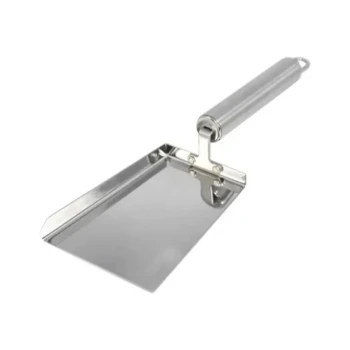
- Heavy-Duty Ergonomic Stainless Steel Pollen Shovel
- Stainless Steel Pollen Shovel with Wooden Handle
- Removable Plastic Pollen Trap With Ventilated Tray for Bees Pollen Collector
- Heavy-Duty Ergonomic Grip Galvanized Pollen Shovel
- Plastic Bee Pollen Trap Strips Comb Catcher Collector
People Also Ask
- How is pollen cleaned after it has been dried? Master Efficient Separation for Pure Bee Pollen
- What methods are used to clean harvested bee pollen? Scale Your Beekeeping Operations with the Right Technique
- How can harvested bee pollen be cleaned to remove impurities? Efficient Methods for Commercial and Hobbyist Beekeepers
- How do bee pollen collection tools affect the quality of bee pollen used in functional dairy ice cream production?
- What is the technical significance of using specialized cutting tools for propolis? Master Precision Pollen Harvesting