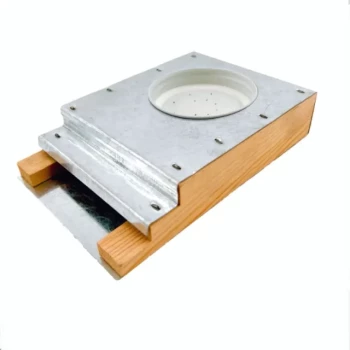
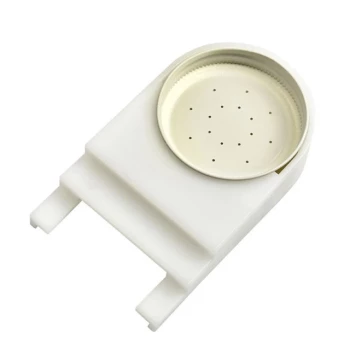
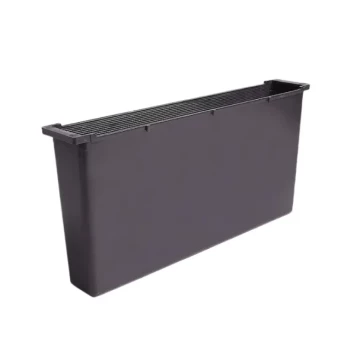
Artificial feeding is a critical survival mechanism used to bridge the gap between natural blooming cycles. During periods of "nectar dearth"—such as dry seasons or winter—Bee Feeders are necessary to supply sugar syrup or nutritional supplements, preventing colony starvation and maintaining the population density required for future productivity.
The goal of artificial feeding is not merely to keep bees alive, but to preserve the colony's momentum. By maintaining colony strength during a dearth, you ensure a robust workforce is immediately available to maximize the harvest when the next nectar flow begins.
The Strategic Importance of Nutritional Continuity
Artificial feeding addresses the biological needs of the hive when nature cannot. It transforms a season of potential decline into a period of maintenance and preparation.
Preventing Starvation and Collapse
The most immediate function of a Bee Feeder is to provide the caloric energy bees need to survive. Without natural nectar, a colony will quickly exhaust its stored honey.
Artificial feeding provides a direct lifeline that prevents mass mortality. This intervention also prevents absconding, a behavior where bees abandon a hive entirely due to a lack of resources.
Ensuring Workforce Readiness
A colony that barely survives a dearth with a tiny population cannot effectively forage when the flowers return. It must spend weeks rebuilding its numbers, missing the peak of the honey flow.
By maintaining a high population through artificial feeding, the colony retains its foraging efficiency. When the next season starts, the hive is already at full strength and can immediately begin peak collection.
Protecting Capital Investment
A hive represents a significant investment in livestock, wax combs, and infrastructure. Losing a colony to starvation is a financial loss that extends beyond just the bees.
Feeding preserves the initial capital investment. A strong colony protects the hive infrastructure from pests (like wax moths) that often overtake weak or dead colonies.
Biological Impacts on the Hive
Beyond simple survival, artificial feeding influences the complex reproductive biology of the colony.
Stimulating Queen Productivity
The queen's egg-laying rate is directly tied to the incoming food supply. During a dearth, she will naturally stop laying to conserve resources, leading to a population crash.
Using Bee Feeders to provide syrup or supplements can simulate a natural nectar flow. This stimulation triggers the queen to continue laying eggs, ensuring the colony does not shrink during the off-season.
Supporting Brood Development
Larvae require immense amounts of protein and carbohydrates to develop. If the colony perceives a shortage, nurse bees may cannibalize the brood to survive.
Supplements provided via feeders allow nurse bees to secrete sufficient royal jelly. This ensures continuous brood rearing and healthy development, even when external climatic conditions are hostile.
Understanding the Trade-offs
While necessary, artificial feeding introduces risks that must be managed through proper equipment selection.
The Risk of Robbing
Introducing sugar syrup during a time of scarcity can trigger a feeding frenzy. Stronger neighboring colonies or wild pests may attempt to rob the hive to get to the artificial feed.
Open feeding or entrance feeding can exacerbate this problem by exposing the scent of syrup to the outside world.
The Advantage of Top Feeders
To mitigate robbing, top feeders (inside feeders) are often the superior choice during a dearth. They position the food inside the hive, near where honey is naturally stored.
This placement allows the colony to guard the food using their standard defense patterns. Robbing bees are forced to fight their way through the main entrance and up through the colony, making the feeder much easier to defend.
Making the Right Choice for Your Goal
The type of feed and method you choose should align with your specific management objectives for the season.
- If your primary focus is Colony Survival (Winter/Drought): Prioritize high-concentration sugar syrup to provide essential carbohydrates for heat and energy.
- If your primary focus is Queen Rearing or Spring Buildup: Incorporate pollen substitutes and protein supplements to stimulate the nursing instinct and royal jelly production.
- If your primary focus is Security: Utilize internal top feeders to minimize the scent of syrup and prevent robbing during periods of extreme scarcity.
Effective artificial feeding safeguards your colony's survival threshold today to guarantee its production capacity tomorrow.
Summary Table:
| Feeding Goal | Recommended Feed Type | Benefit to Colony |
|---|---|---|
| Colony Survival | High-Concentration Syrup | Provides essential calories for energy & heat |
| Queen Productivity | Light Syrup & Supplements | Simulates nectar flow to trigger egg-laying |
| Brood Development | Pollen Substitutes | Ensures protein for healthy larval growth |
| Hive Security | Internal Top Feeders | Prevents robbing by keeping scent inside hive |
Maximize Your Colony's Potential with HONESTBEE
At HONESTBEE, we understand that maintaining a robust honeybee population requires more than just luck—it requires the right tools. We cater to commercial apiaries and distributors worldwide, providing a comprehensive wholesale selection of high-quality bee feeders, beekeeping machinery, and hive-making equipment.
Whether you need precision honey-filling machines or essential industry consumables, our portfolio is designed to enhance your operational efficiency and protect your capital investment. Don't let a nectar dearth compromise your harvest.
Contact HONESTBEE Today to discover how our professional-grade beekeeping solutions can support your business growth!
References
- Asfaw Albore, Getachew Abraham. Adoption and Intensity of Adoption of Beekeeping Technology by Farmers: The Case of Sheko Woreda of Bench-Maji Zone, South west Ethiopia. DOI: 10.7176/alst/97-03
This article is also based on technical information from HonestBee Knowledge Base .
Related Products
- Rapid Bee Feeder White Plastic 2L Round Top Feeder for 8 or 10-Frame Bee Hives
- HONESTBEE Entrance Bee Feeder Professional Hive Nutrition Solution for Beekeeping
- White Plastic 0.5L Beekeeping Entrance Feeder for Bees
- HONESTBEE Entrance Bee Feeder Efficient Hive Front Liquid Feeding Solution for Beekeeping
- HONESTBEE Professional Entrance Bee Feeder Hive Nutrition Solution
People Also Ask
- What should be done with feeders and equipment after feeding bees? Essential Steps for Apiary Health
- What should be done if feed in a feeder is not consumed by the bees? Prevent Hive Mold with Prompt Feed Management
- What is the necessity of specialized internal or entrance feeders? Secure Your Hive with Professional Feeding Tools
- How do bee feeders work to preserve colony health during nectar shortages? Essential Guide for Beekeepers
- How quickly does a medium to strong colony usually empty a feeder? A Beekeeper's Guide to Hive Health