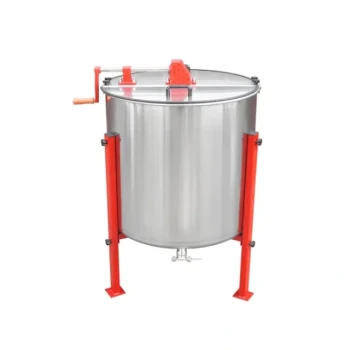
Hygienic design is the primary defense against the accumulation of dangerous residues in honey collection and processing equipment. Because tools like centrifuges and collection buckets operate in complex environments, they are prone to developing "cleaning dead zones" where standard sanitation fails, allowing harmful microorganisms to colonize equipment surfaces.
Core Takeaway Industrial equipment following hygienic design principles eliminates structural crevices where bacteria hide, specifically preventing the colonization of resistant spores like Clostridium botulinum. This technical safeguard is non-negotiable for ensuring infant safety and meeting the strict compliance standards required for international export.
Preventing Microbial Contamination
Eliminating Cleaning Dead Zones
Standard processing equipment often contains hard-to-reach corners, seams, or crevices.
In a honey processing environment, these areas become cleaning dead zones. Residues accumulate here, creating a protected environment where bacteria can survive even after standard washing cycles.
The Threat of Resistant Spores
The most critical risk in honey production is the presence of Clostridium botulinum spores.
These bacteria are highly resistant to heat and standard cleaning agents. If equipment surfaces are not designed to be completely flush and drainable, these spores can colonize the machinery, contaminating the final product.
Protecting Vulnerable Populations
For adult consumers, the risk is often manageable, but for infants, it is critical.
Eliminating spore reservoirs via hygienic design is a fundamental technological safeguard. It ensures the product is safe for infants, who are susceptible to botulism, and protects the producer from severe liability.
Enhancing Purity and Hive Sustainability
Reducing Physical Contaminants
Beyond bacteria, hygienic design principles—such as those found in professional suction-type extractors—prevent physical impurities from entering the honey stream.
Properly designed equipment allows for extraction without introducing bee bread, wax debris, or external impurities. This results in a higher purity product that requires less filtration later in the process.
Maintaining Colony Productivity
Advanced hygienic equipment is often designed to interact minimally with the hive structure.
For example, specific extraction tools allow for harvesting from tiny honey pots without destroying the colony’s architecture. This preserves the health of the bee colony (specifically noted in stingless beekeeping), ensuring continuous productivity and supporting large-scale operations.
Understanding the Trade-offs
Higher Initial Investment
Equipment engineered to hygienic standards requires precision manufacturing and high-grade materials.
Consequently, the upfront cost is significantly higher than standard agricultural tools. Producers must view this as a long-term investment in compliance and brand safety rather than a simple operational expense.
Strict Maintenance Protocols
Hygienic design facilitates cleaning, but it does not automate it.
Owning high-grade centrifuges or buckets creates a false sense of security if not paired with rigorous sanitation schedules. The design removes the impossibility of cleaning dead zones, but the operator must still perform the cleaning to prevent residue buildup.
Making the Right Choice for Your Goal
When selecting honey processing equipment, align your choice with your specific operational targets:
- If your primary focus is International Export: Prioritize equipment certified to eliminate Clostridium botulinum reservoirs to ensure compliance with global food safety regulations.
- If your primary focus is Colony Health and Scale: Select extraction tools designed to minimize structural damage to the hive, preserving the colony for continuous, high-volume cycles.
- If your primary focus is Product Purity: Look for sealed or suction-based systems that isolate honey from wax and pollen debris during the initial extraction phase.
Ultimately, hygienic design is the baseline requirement that transforms honey production from a raw agricultural process into a controlled, safe, and scalable industrial operation.
Summary Table:
| Feature | Hygienic Design Benefit | Risk of Standard Equipment |
|---|---|---|
| Structural Seams | Flush surfaces eliminate bacterial hiding spots | "Dead zones" harbor C. botulinum spores |
| Microbial Safety | Prevents colony formation of resistant bacteria | High risk of infant botulism and liability |
| Product Purity | Minimizes wax, bee bread, and debris intake | High physical impurity requiring extra filtration |
| Hive Impact | Preserves colony architecture for productivity | Potential damage to hive structure and health |
| Compliance | Meets international food safety export standards | Risk of export rejection and non-compliance |
Elevate Your Beekeeping Operation with HONESTBEE
Don’t let equipment "dead zones" compromise your honey quality or export potential. At HONESTBEE, we specialize in providing commercial apiaries and distributors with the professional tools needed to succeed in a global market.
Our comprehensive wholesale range includes:
- Advanced Machinery: High-precision hive-making and honey-filling machines.
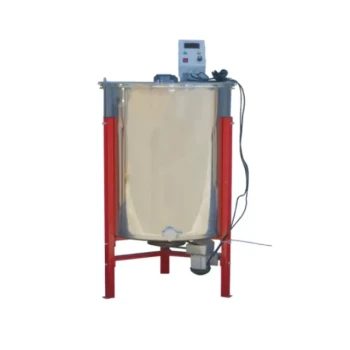
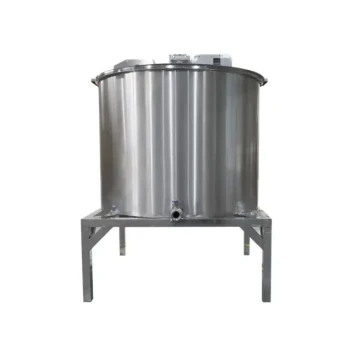
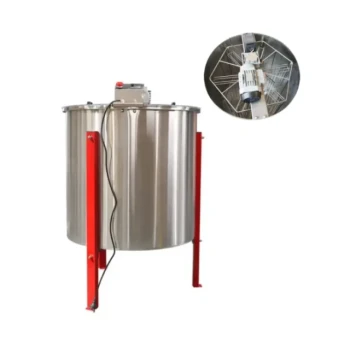
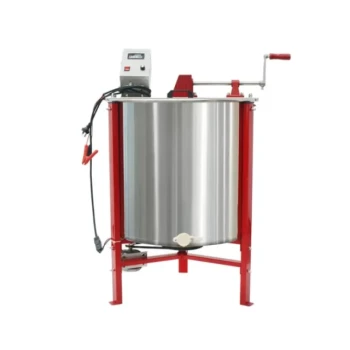
- Hygienic Equipment: Industrial centrifuges, collection buckets, and specialized beekeeping tools designed for maximum sanitation.
- Full-Spectrum Supplies: Essential consumables and honey-themed cultural merchandise to expand your brand reach.
Whether you are scaling a commercial apiary or supplying the next generation of beekeepers, our hardware ensures safety, efficiency, and purity. Contact HONESTBEE today to discuss your wholesale requirements and see how our expertise can grow your business!
References
- TOXIC RISKS ASSOCIATED WITH APITHERAPY PRODUCTS. DOI: 10.34302/crpjfst/2022.14.1.12
This article is also based on technical information from HonestBee Knowledge Base .
Related Products
- electric honey extractor honey centrifuge 3 frame honey extractor stainless steel honey frame extractor
- Manual Hand Crank 4 Frame Honey Extractor Centrifuge for Beekeeping
- Professional 4 Frame Self Reversing Electric Honey Extractor for Beekeeping
- Honey Concentrating Vacuum Heating Thickening Machine Dehumidifier for Honey
- Honey Concentrating and Filtering Dehumidifier Machine 2T Capacity for Honey
People Also Ask
- What are the characteristics of electric honey extractors? Boost Your Apiary Efficiency with Automated Technology
- What are the disadvantages of using an electric honey extractor? Weighing Cost, Power, and Comb Safety
- What are the advantages of an electric honey extractor? Boost Efficiency and Scale Your Honey Production
- What are the technical advantages of electric honey extractors? Maximize Yield and Protect Your Bee Colony
- How does an electric honey extractor affect the quality of honey? Preserve Flavor & Purity with Precision Extraction