Analyzing specific regional weather patterns is the prerequisite for selecting the correct hive insulation. Rather than relying on generic advice, understanding your local temperature extremes, wind velocity, and humidity trends allows you to tailor a strategy that ensures your colony remains healthy and productive.
A solid grasp of local climate nuances moves you from guessing to precision, ensuring you provide exactly the protection your bees need—no more, no less.
The Components of Climate-Based Decisions
Temperature Extremes and Insulation Choice
Your region's specific highest and lowest temperatures dictate the R-value (thermal resistance) required for your hives.
In areas with deep freezes, heavy insulation is necessary to help the cluster conserve heat. However, in milder climates, excessive insulation can be unnecessary or even detrimental.
Wind Patterns and External Protection
Understanding prevailing wind patterns is just as critical as monitoring temperature.
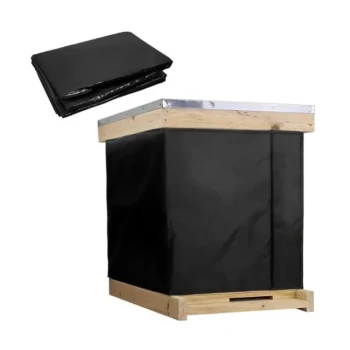
Wind strips heat away from a hive rapidly. If your local data indicates high winds, simple thermal insulation is insufficient; you must also incorporate windbreaks or wrap the hive exterior with tar paper to prevent drafts.
Humidity Trends and Moisture Control
Humidity trends are frequently overlooked but are vital for winter survival.
Bees exhale moisture, and in a cold environment, this can condense and freeze, killing the colony. If your local climate is damp, your winterization strategy must prioritize ventilation alongside insulation to prevent the hive from becoming a wet, cold trap.
Understanding the Trade-offs
The Risk of Over-Insulation
Applying a "maximum protection" strategy in a moderate climate can backfire.
If a hive is insulated too heavily during warm spells, the colony may become too active, consuming their food stores too quickly before spring arrives.
Safety Considerations During Setup
When applying these strategies based on weather forecasts, you must also consider the immediate behavior of the apiary.
Bees are often more easily agitated during the resource-scarce pre-winter months, and aggressive robbers like yellow jackets may be present. Always wear full protective clothing when installing insulation, regardless of the weather on the day of installation.
Making the Right Choice for Your Goal
- If your primary focus is surviving extreme cold: Prioritize high R-value insulation and external wraps to retain colony warmth against deep freezes.
- If your primary focus is managing damp, coastal winters: Focus on ventilation and moisture absorption above the cluster, using lighter insulation to prevent condensation buildup.
- If your primary focus is resource conservation: Use windbreaks to reduce thermal stress, allowing the bees to consume their food stores at a slower, sustainable rate.
By letting local data dictate your actions, you transform winterization from a gamble into a calculated strategy for colony success.
Summary Table:
| Climate Factor | Impact on Bees | Recommended Strategy |
|---|---|---|
| Temperature Extremes | High heat loss or food depletion | Adjust R-value insulation to match regional lows |
| Wind Velocity | Rapid thermal stripping | Install windbreaks or exterior tar paper wraps |
| Humidity Trends | Internal condensation & freezing | Balance insulation with top-tier ventilation |
| Warm Spells | Premature activity & starvation | Avoid over-insulating in moderate winter zones |
Secure Your Apiary’s Success with HONESTBEE
Transition from guesswork to precision this winter. HONESTBEE provides commercial apiaries and distributors with the high-quality beekeeping tools, machinery, and essential consumables needed to protect every colony.
Whether you require specialized hive-making equipment to build climate-resilient structures or bulk insulation supplies for large-scale operations, our comprehensive wholesale offering is designed to scale with your business. Let us help you safeguard your investment and maximize your honey yield.
Ready to upgrade your winterization strategy? Contact our expert team today to discuss how our professional-grade equipment can serve your specific regional needs.
Related Products
- Stainless Steel Round Beehive Air Vents for Ventilation
- Inner Beehive Cover for Beekeeping Bee Hive Inner Cover
- Professional Insulated Winter Hive Wrap for Beekeeping
- Professional Insulated Plastic Bee Hives
- Professional Reversible Beehive Hive Entrance
People Also Ask
- How does ventilation affect colony health, and how should it be managed seasonally? A Guide to Preventing Moisture & Overheating
- Why is proper ventilation important in a beehive? Prevent Mold, Regulate Temperature, and Boost Colony Health
- How can a beekeeper provide proper ventilation for a beehive throughout the year? Seasonal Strategies for Bee Health
- Why is good ventilation crucial when transporting beehives? Protect Your Colony from Lethal Overheating
- How can ventilation be added to a beehive without using an inner cover? Simple, Effective Solutions for Healthy Hives