Ensuring product stability and regulatory compliance is the primary driver for equipping honey processing facilities with specialized filtration and dehydration systems. These technologies are essential for removing physical impurities and precisely reducing moisture content to prevent fermentation, thereby extending shelf life and ensuring the final product meets strict international food safety standards.
Unprocessed honey is naturally unstable due to variable moisture levels and organic debris. Specialized processing is not merely an aesthetic step; it is a critical preservation measure that arrests spoilage, ensures biological safety, and guarantees the product meets the rigorous specifications required for export.
The Critical Role of Moisture Control
Preventing Fermentation and Spoilage
Raw honey often contains natural yeast and varying water levels. If the moisture content is too high, these yeasts become active, causing the honey to ferment and spoil rapidly. Specialized dehydration equipment reduces this moisture to a safe level, typically around 18%, which inhibits yeast activity.
Meeting International Standards
To enter global markets, honey must adhere to strict moisture limits set by bodies like the European Union and Codex Alimentarius. These standards generally mandate a moisture content between 17.5% and 21%. Without precise dehydration equipment, it is nearly impossible to consistently meet these regulatory requirements.
Handling High-Moisture Varieties
Certain varieties, such as stingless bee honey, naturally contain approximately 35% water, making them highly volatile. Integrated dehydration systems are mandatory for these types to bring moisture levels down to a stable range without destroying the honey's unique characteristics.
Achieving Purity and Marketability
Removal of Physical Contaminants
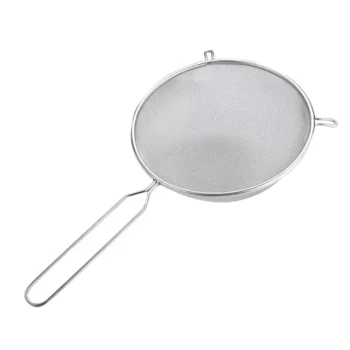
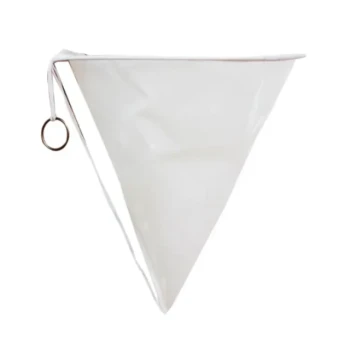
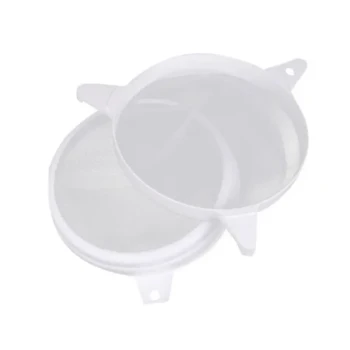
During extraction, honey often collects wax debris, pollen clusters, and other hive impurities. High-precision filtration equipment utilizes fine physical screening to remove these particulates. This improves the clarity and visual appeal of the honey, which is a key factor for entry into premium commercial markets.
Preserving Nutritional Integrity
Advanced filtration systems are designed to clarify the product without stripping away beneficial natural components. The goal is to achieve a clean, marketable appearance while retaining the original nutritional profile and flavor notes that consumers demand.
Understanding the Trade-offs and Risks
The Danger of Material Reactivity
Honey has a naturally acidic pH, which can cause chemical leaching if it contacts reactive metals like aluminum, galvanized steel, or low-quality alloys. Processing equipment must be constructed from high-specification stainless steel to prevent the release of heavy metals—such as lead, cadmium, and zinc—into the food supply.
Thermal Damage vs. Dehydration
A common pitfall in moisture reduction is the excessive application of heat, which degrades enzymes and flavor. Superior equipment achieves dehydration through techniques that avoid high temperatures, preserving the honey's "raw" status and nutritional value while still achieving the necessary shelf stability.
Making the Right Choice for Your Goal
To select the appropriate equipment configuration, you must align the technology with your specific business objectives.
- If your primary focus is Export and Global Trade: Prioritize dehydration systems capable of guaranteeing moisture levels between 17.5% and 21% to comply with EU and Codex Alimentarius standards.
- If your primary focus is Premium or "Raw" Honey: Invest in non-thermal dehydration and gentle filtration technologies that reduce moisture without compromising enzymatic activity or flavor profiles.
- If your primary focus is Operational Safety: Ensure all machinery components contacting the product are certified high-grade stainless steel to negate the risk of heavy metal contamination due to acidity.
Investing in specialized processing infrastructure is the only way to transform a volatile raw ingredient into a stable, safe, and commercially viable global commodity.
Summary Table:
| Equipment Type | Primary Function | Target Parameter | Benefit for Facility |
|---|---|---|---|
| Dehydration Systems | Moisture reduction | < 18% Moisture content | Prevents fermentation & extends shelf life |
| Fine Filtration | Particulate removal | Wax & debris clearance | Improves clarity & commercial marketability |
| Stainless Steel Hardware | Chemical safety | Lead/Heavy metal free | Prevents leaching due to honey's acidity |
| Non-Thermal Processors | Enzyme preservation | Diastase & HMF levels | Maintains 'raw' status & nutritional integrity |
Scale Your Honey Production with HONESTBEE Professional Solutions
Transitioning from raw honey to a stable, export-ready commodity requires the right industrial precision. HONESTBEE specializes in supporting commercial apiaries and distributors with high-performance honey-making machinery and specialized processing equipment.
Whether you need honey-filling machines, moisture-reducing dehydration systems, or durable stainless steel hardware that resists acidic corrosion, we provide the full spectrum of wholesale beekeeping tools and industry consumables to ensure your honey meets EU and Codex Alimentarius standards.
Ready to optimize your facility? Contact HONESTBEE Today to discover how our machinery can enhance your product quality and global market reach.
References
- Joseph Ondunga, Reuben Oyoo Mosi. Socio-economic and cultural factors influencing farmers’ group participation for commercialization of apiculture among small holder farmers in Homa bay county, Kenya. DOI: 10.33687/ijae.009.03.3587
This article is also based on technical information from HonestBee Knowledge Base .
Related Products
- 0.5T Capacity Honey Dehumidifier Dryer with Vacuum Heating and Thickening Filtering Machine
- Honey Concentrating and Filtering Dehumidifier Machine 2T Capacity for Honey
- High Quality Honey Dehumidifier Dryer Thickening Machine for Beekeeping
- Honey Concentrating Vacuum Heating Thickening Machine Dehumidifier for Honey
- Electric Double Wall Honey Filtering Machine Purifier Equipment for Honey Processing Plant
People Also Ask
- What is the primary function of professional dehumidification equipment in honey processing? Stability & Quality
- How to dry up honey? The Safe Guide to Stabilizing Honey and Preventing Fermentation
- What is the process for using a dehumidifier to lower honey's moisture content? Expert Drying Techniques
- How to decrease moisture in honey? Prevent Fermentation and Ensure Long-Term Quality
- How to remove humidity from honey? Protect Your Harvest from Fermentation