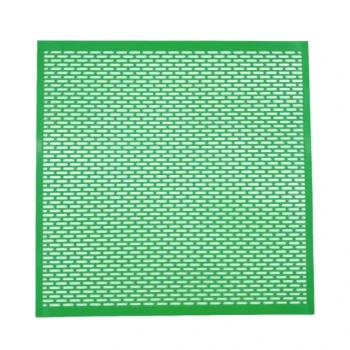
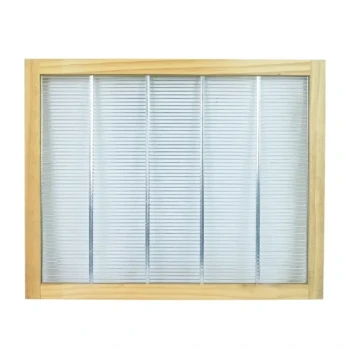
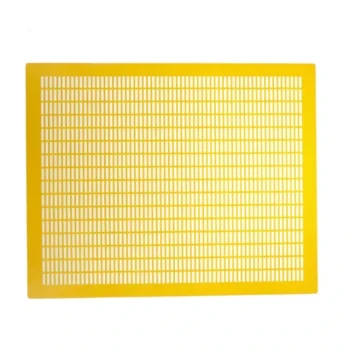
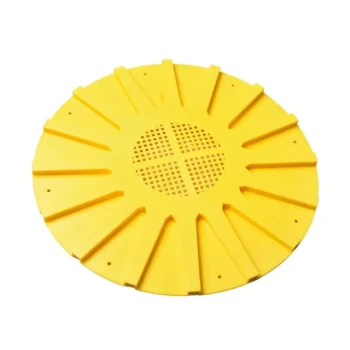
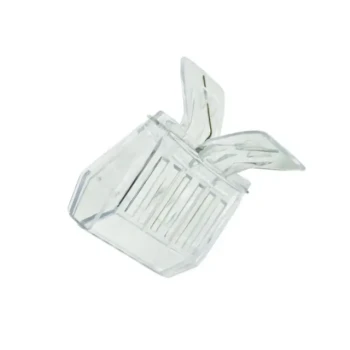
The primary reason for using a queen excluder with Flow supers is to physically prevent the queen from entering the honey storage area to lay eggs.
This device acts as a sieve, allowing smaller worker bees to pass through and store nectar while blocking the larger queen, thereby keeping the mechanical Flow frames free of developing brood.
Core Insight: The unique harvesting mechanism of Flow frames poses a physical danger to brood. If eggs or larvae are present in the frames, activating the extraction mechanism will crush the developing bees, damaging the colony and contaminating your honey harvest.
Protecting the Mechanism and the Colony
Preventing Mechanical Injury
The most critical reason to use an excluder in this specific setup is the design of the Flow frames. Unlike traditional extraction, where frames are spun, Flow frames rely on a mechanical shift to open channels for drainage.
If the queen has laid eggs in these frames, that space is occupied by developing bee larvae. Activating the mechanism while brood is present would result in crushing these bees inside the comb.
Ensuring Honey Purity
Separating the queen ensures that the frames contain only stored honey. If brood is mixed with honey cells, the extraction process becomes messy and unethical due to the loss of bee life.
Furthermore, bees tend to store pollen immediately adjacent to the brood. By keeping the brood nest confined to the lower boxes, you significantly reduce the amount of pollen and other biological impurities in your honey supers.
Operational Efficiency
Streamlined Inspections
Using an excluder confines the queen to a known area—typically the lower brood boxes. This saves significant time during inspections.
You do not need to hunt through the honey supers to locate the queen for re-queening or health checks. You can inspect the honey flow supers quickly without fear of accidentally harming the queen.
Simplified Harvesting
For commercial and hobbyist beekeepers alike, efficiency is key. With an excluder, you can harvest honey with the confidence that you are not disturbing the reproductive center of the hive.
This eliminates the need to inspect every single frame for brood before draining, streamlining the "tap-to-harvest" process that Flow hives are famous for.
Understanding the Trade-offs
The Risk of Swarming
While excluders offer protection, they introduce a management challenge. By physically restricting the size of the brood nest, an excluder can contribute to congestion in the lower boxes.
If the queen runs out of space to lay eggs, the colony may feel overcrowded. This restriction can increase the likelihood of swarming as the colony attempts to split and find a new home.
Not 100% Foolproof
It is important to acknowledge that queen excluders are not always 100% effective. Small or "runty" queens may occasionally squeeze through the grid.
Additionally, user error in placing the excluder can leave gaps. It is prudent to occasionally check the supers to ensure the exclusion is holding.
Making the Right Choice for Your Goal
While the recommendation is strong, your approach depends on your specific management philosophy.
- If your primary focus is Safe, Automated Harvesting: Use an excluder to guarantee no brood is crushed during the mechanical extraction process.
- If your primary focus is Natural Beekeeping: You may forego the excluder to allow free roaming, but you must visually inspect every Flow frame for brood before harvesting to prevent killing developing bees.
- If your primary focus is Purity: Use an excluder to minimize pollen content and ensure your honey is free from larval fluids or impurities.
Using a queen excluder with Flow frames is less about preference and more about ensuring the mechanical safety of your hive's future generation.
Summary Table:
| Feature | With Queen Excluder | Without Queen Excluder |
|---|---|---|
| Brood Safety | High; prevents queen from laying in Flow frames | Low; risk of crushing larvae during harvest |
| Honey Purity | High; frames contain only pure honey | Variable; potential pollen or brood contamination |
| Inspection Speed | Fast; queen is confined to lower boxes | Slow; must check all frames for the queen |
| Harvest Efficiency | High; "tap-to-harvest" without pre-checks | Moderate; requires manual frame inspection |
| Swarming Risk | Slightly higher due to potential congestion | Lower; queen has more space to expand |
Maximize Your Apiary Productivity with HONESTBEE
Efficient honey production starts with the right equipment. At HONESTBEE, we specialize in supporting commercial apiaries and distributors with a comprehensive range of high-quality beekeeping tools and machinery.
Whether you need specialized queen excluders, hive-making machinery, or automated honey-filling systems, our wholesale solutions are designed to enhance your operational efficiency and protect your colony. From hardware to honey-themed cultural merchandise, we provide the full spectrum of essential industry consumables to help your business thrive.
Ready to scale your beekeeping operations? Contact us today to explore our wholesale catalog and discover how HONESTBEE can deliver precision and value to your apiary.
Related Products
- High Performance Plastic Queen Excluder for Beekeeping and Apiary Management
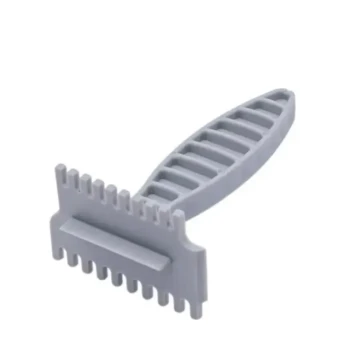
- Lightweight Durable Plastic Queen Excluder Scraper for Beekeeping
- Premium Wood Framed Metal Wire Queen Bee Excluder
- Professional Plastic Queen Excluder for Modern Beekeeping
- Metal Queen Bee Excluder for Beekeeping
People Also Ask
- What are the characteristics of a plastic queen excluder? Key Benefits for Cost-Effective Beekeeping
- What are the operational and cost advantages of using plastic queen excluders over metal or wire excluders in commercial hive management? Discover how they reduce labor, prevent wing damage, and lower total costs.
- What types of queen excluders are available for beekeepers? Choose the Right Tool for Your Hive
- Why are standardized hive frames and queen excluders essential for maintaining honey purity and quality? Scale Your Purity
- Do plastic queen excluders work? A Cost-Effective Solution for Modern Apiaries