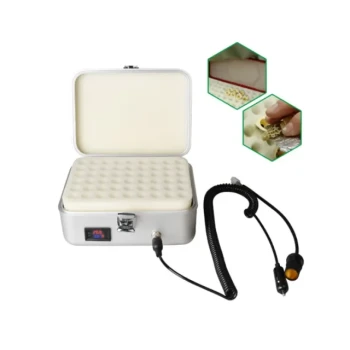
Low-temperature freezing is the fundamental safeguard for bee pollen integrity. Because collected bee pollen possesses high biological activity and is rich in unstable proteins and lipids, it is uniquely susceptible to rapid spoilage and moisture absorption. Utilizing freezing equipment effectively inhibits mold growth and arrests biochemical degradation, preserving the sample's original state for accurate analysis.
Bee pollen is a living, biologically active substance that degrades quickly in ambient conditions. Low-temperature freezing is the primary defense against enzymatic breakdown and microbial contamination, ensuring that the physical structure and chemical composition of the sample remain accurate for scientific assessment.
The Biological Vulnerability of Bee Pollen
High Nutritional Instability
Bee pollen is not an inert material; it is a complex biological package rich in proteins and lipids.
These components are highly reactive and possess high biological activity. Without thermal intervention, they degrade rapidly, compromising the sample's quality before analysis can begin.
Susceptibility to Hygroscopy
Pollen is naturally hygroscopic, meaning it readily absorbs moisture from the surrounding environment.
This absorbed moisture creates an ideal breeding ground for bacteria and mold. Freezing equipment drastically lowers the available moisture activity, preventing the onset of rot and fungal contamination.
Oxidation Risks
Key nutrients, particularly vitamins and lipids, are sensitive to oxidation when exposed to air and heat.
Room temperature storage allows oxygen to react with these components, altering the chemical profile of the pollen. Freezing "locks in" the biochemical state, preventing this oxidative drift.
Mechanisms of Preservation
Halting Enzymatic Activity
Ultra-low temperature environments (typically between -18°C and -22°C) are required to stop internal enzymatic activity.
By inhibiting microbial metabolism, the freezer ensures that heat-sensitive components, such as amino acids, do not break down. This maintains the nutritional gradient necessary for accurate artificial feed formulation.
Preserving Morphological Characteristics
For researchers conducting palynological analysis, the physical shape of the pollen grain is critical.
Decay alters the shape and surface texture of pollen grains. Freezing maintains these morphological characteristics over long periods, allowing researchers to visually identify plant sources accurately.
Eliminating Pests and Pathogens
Industrial low-temperature freezing serves as a sterilization step against macro-contaminants.
A freezing period of at least two days at -18°C is effective at eliminating microbial vegetative cells and mites. This provides a clean raw material base for subsequent storage or dehydration procedures.
Understanding the Trade-offs
The Necessity of Vacuum Sealing
While freezing controls temperature, it does not inherently remove oxygen.
To fully arrest oxidation and hygroscopy, freezing should be paired with vacuum packaging (using polyamide and polyethylene composite materials). Freezing alone may still allow for minor oxidative changes if air remains in the package.
Sensitivity to Temperature Fluctuations
The protection offered by freezing is absolute only if the temperature remains constant.
Fluctuations or "thaw cycles" can reactivate bacterial spores or restart enzymatic processes. Industrial-grade equipment is often preferred because it maintains a consistent temperature profile compared to standard consumer freezers.
Making the Right Choice for Your Goal
Whether you are a researcher or a producer, your storage strategy depends on your end goal.
- If your primary focus is Palynological Analysis: Prioritize freezing immediately after collection to maintain the morphological shape and surface structure of the pollen grains.
- If your primary focus is Nutritional Analysis: Ensure temperatures remain below -20°C to lock in the amino acid and lipid profiles without oxidative loss.
- If your primary focus is Long-Term Storage: Combine low-temperature freezing with vacuum sealing to prevent moisture absorption and extend freshness for up to two years.
Immediate thermal control is the only way to bridge the gap between field collection and accurate laboratory data.
Summary Table:
| Preservation Factor | Impact of Low-Temperature Freezing | Benefit for Pollen Samples |
|---|---|---|
| Biological Activity | Arrests enzymatic breakdown and metabolic processes | Preserves original biochemical state |
| Moisture Control | Lowers moisture activity and inhibits hygroscopy | Prevents bacterial and mold growth |
| Nutritional Profile | Minimizes oxidation of lipids and vitamins | Maintains amino acid and protein levels |
| Morphology | Prevents decay and structural deformation | Ensures accurate palynological identification |
| Contamination | Eliminates mites and microbial vegetative cells | Provides a clean, sterilized raw material |
Maximize Your Harvest's Value with HONESTBEE
As a commercial apiary or distributor, the quality of your bee pollen is your most valuable asset. HONESTBEE provides the professional-grade solutions you need to maintain that quality from hive to market. We specialize in catering to the unique needs of industry professionals by supplying a comprehensive range of:
- High-Performance Machinery: Specialized honey-filling and hive-making equipment.
- Industrial Beekeeping Tools: Comprehensive hardware for large-scale operations.
- Essential Consumables: Every item needed to keep your production running smoothly.
- Themed Merchandise: Cultural products to diversify your brand's reach.
Whether you are conducting rigorous research or scaling your wholesale distribution, our expertise ensures your biological products remain in peak condition.
Ready to upgrade your commercial beekeeping infrastructure? Contact HONESTBEE today for specialized wholesale solutions!
References
- Robert Brodschneider, Karl Crailsheim. A citizen science supported study on seasonal diversity and monoflorality of pollen collected by honey bees in Austria. DOI: 10.1038/s41598-019-53016-5
This article is also based on technical information from HonestBee Knowledge Base .
Related Products
- Heavy-Duty Ergonomic Grip Galvanized Pollen Shovel
- High Quality Honey Dehumidifier Dryer Thickening Machine for Beekeeping
- Food Grade Plastic Honey Bucket Pail for Beekeeping
- White Plastic 0.5L Beekeeping Entrance Feeder for Bees
- Portable Queen Bee Incubator with 12V Car Adapter for Safe Transport
People Also Ask
- For what reasons do beekeepers collect bee pollen? Boost Hive Health and Unlock New Revenue Streams
- Why should commercial apiaries focus on the collection of diversified bee products? Maximize Your Hive’s Profit Potential
- How do bee pollen collection tools affect the quality of bee pollen used in functional dairy ice cream production?
- How does a specialized pollen collector facilitate the harvesting of diverse bee products? Automate High-Value Yields
- What is the impact of pollen collectors and associated equipment on the cost structure of pollen production? Maximize ROI