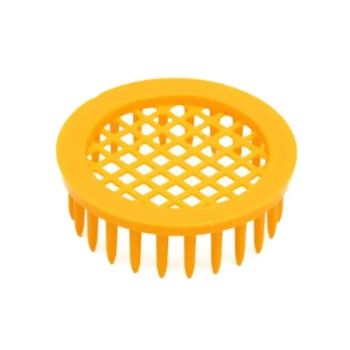
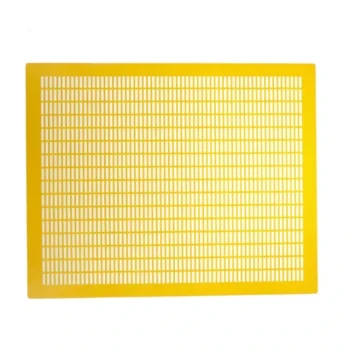
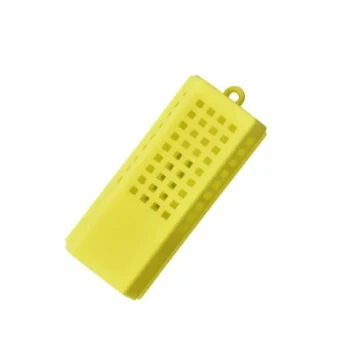
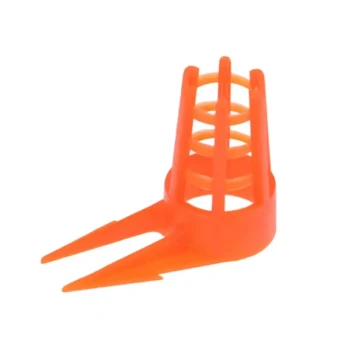
The application of natural beeswax creates a critical biological bridge between artificial materials and the colony's natural instincts. Without this coating, plastic queen rearing equipment emits synthetic odors that act as a deterrent to the hive. The beeswax layer neutralizes these alien scents and replaces them with familiar chemical signals, compelling worker bees to clean the cells and encouraging the queen to lay eggs immediately.
Plastic components offer mechanical durability, but they lack the biological signature required for colony integration. Coating this equipment in beeswax solves the rejection issue by masking synthetic smells and providing the olfactory cues necessary for the queen to recognize the device as a viable part of the nursery.
Overcoming the Synthetic Barrier
Neutralizing Foreign Odors
Plastic manufacturing processes inevitably leave behind chemical residues and synthetic smells. To a honey bee colony, which relies heavily on olfactory communication, these odors signal that the object is foreign debris rather than hive infrastructure. A layer of natural beeswax acts as a hermetic seal, effectively masking these synthetic rejection triggers.
Simulating Hive Chemistry
Acceptance requires more than just the absence of bad smells; it requires the presence of the "right" smells. Beeswax carries specific chemical signals that identify a structure as part of the colony. By coating plastic cups or frames with wax, you are essentially camouflaging the foreign object as a natural extension of the comb.
Triggering Instinctive Behaviors
Inducing the Cleaning Cycle
Worker bees are programmed to prepare cells before the queen can utilize them. Bare plastic often fails to trigger this cleaning instinct, leading to the equipment being ignored or covered in propolis. The presence of beeswax engages the workers immediately, inducing them to polish and shape the cell cups, which is a prerequisite for the queen's attention.
Stimulating Egg Production
The queen bee is biologically hesitant to deposit eggs on synthetic surfaces. She requires specific tactile and chemical feedback from the cell floor to initiate oviposition. The beeswax coating simulates the natural texture and scent of a comb, ensuring high egg-laying rates and biological compatibility from the very first day of use.
Understanding the Trade-offs
Mechanical Strength vs. Biological Acceptance
The primary advantage of plastic is its rigidity and reusability, but its surface is biologically inert. Conversely, pure wax is biologically perfect but lacks structural consistency for repetitive handling. The trade-off is managed by using plastic as the durable "skeleton" and wax as the "skin," but failing to apply the wax renders the durable skeleton useless to the bees.
The Risk of Inadequate Coating
If the wax layer is too thin or uneven, the synthetic odor of the plastic may "leak" through. This can result in spotty laying patterns or the colony attempting to bury the equipment in burr comb rather than utilizing it. Thorough coverage is necessary to maintain the illusion of natural comb.
Maximizing Queen Rearing Success
To ensure your colony accepts artificial equipment, approach the preparation based on your specific operational goals:
- If your primary focus is Speed of Acceptance: Apply a generous, even coat of high-quality beeswax to ensure the queen recognizes the cups as viable immediately, avoiding a "break-in" delay.
- If your primary focus is Equipment Longevity: Ensure the plastic substrate is thoroughly cleaned before waxing so the biological coating adheres to the rigid support structure, preventing flaking during hive manipulations.
By treating plastic components as the structural support and beeswax as the biological interface, you ensure your equipment works with the colony's instincts rather than against them.
Summary Table:
| Feature | Plastic Equipment Only | Wax-Coated Plastic |
|---|---|---|
| Scent Profile | Synthetic/Chemical Residue | Natural Hive Aroma |
| Bee Behavior | Avoidance or Propolis Burial | Immediate Cleaning & Polishing |
| Queen Acceptance | Hesitant / Low Laying Rate | High Oviposition Success |
| Functionality | Structural Durability | Biological & Structural Synergy |
Maximize Your Colony Productivity with HONESTBEE
At HONESTBEE, we understand that successful beekeeping requires the perfect balance between industrial efficiency and biological instinct. We specialize in supporting commercial apiaries and distributors by providing a comprehensive range of professional-grade beekeeping tools and machinery.
From high-durability plastic queen rearing systems to specialized honey-filling and hive-making machines, our wholesale portfolio is designed to scale your operations. We offer the essential industry consumables and technical hardware needed to ensure your equipment integrates seamlessly with your colonies.
Ready to elevate your apiary's output? Contact our team today to discuss wholesale solutions and equipment customization.
References
- T. Al-Ghazaly, Aied N. Oueed. Effect of some artifical diets on queen the native queens of Apis mellifera L. (Apidae: Hymenoiptera) rearing in queenright colonies by using Jenter pparatus. DOI: 10.32649/ajas.2011.28762
This article is also based on technical information from HonestBee Knowledge Base .
Related Products
- Plastic Chinese Queen Grafting Tool for Bee Queen Rearing
- Plastic Beekeeping Honey Bee Larvae Grafting Tools for Queen Rearing and Chinese Grafting
- JZBZ Type Wide Base Plastic Queen Cell Cups for Base Mounting and Queen Rearing
- Durable Plastic Push In Queen Bee Cage
- Retractable Chinese Queen Rearing Grafting Tools Equipment
People Also Ask
- Why is it necessary for migratory beekeeping enterprises to utilize professional queen bee rearing tools? Boost Resilience
- What specialized tools and frame configurations are needed for larval grafting during queen rearing, and how are queen cells properly spaced? Master the essentials for efficient queen production
- What are the benefits of using a queen grafting tool for queen rearing? Master Precision for Superior Bee Genetics
- What is grafting in queen rearing? Take Control of Your Apiary's Genetics
- What are the steps involved in using a queen grafting tool? A Guide to Successful Queen Rearing