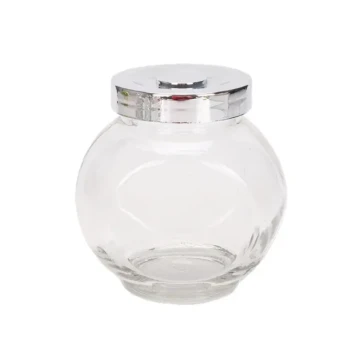
The chemical stability of propolis is fragile. You must use airtight and light-proof containers because propolis and its extracts are highly sensitive to environmental exposure. These specific packaging requirements are essential to block oxygen and light, thereby preventing oxidation and photodegradation of the bioactive components.
Proper containment is not just about physical storage; it is about arresting chemical decay. By strictly controlling exposure to light and air, you can maintain the antibacterial activity of propolis extracts for over 15 years.
The Chemistry of Preservation
To understand why standard packaging fails propolis, you must understand the specific threats it faces. Propolis is a complex mixture, and its efficacy is tied directly to its chemical integrity.
Preventing Oxidation
Propolis components react negatively when exposed to oxygen. Airtight containers are non-negotiable because they create a barrier against the surrounding atmosphere. Without this seal, the active compounds undergo oxidation, rendering them less effective over time.
Stopping Photodegradation
Light is an energy source that breaks down chemical bonds. Light-proof containers are required to shield the material from this radiation. If exposed to light, the propolis suffers from photodegradation, which permanently alters its composition and reduces quality.
Impact on Longevity and Efficacy
When you adhere to strict packaging protocols, the shelf life of propolis is exceptionally long. The protective measures directly correlate to the retention of biological activity.
Preserving Antibacterial Activity
The primary value of propolis often lies in its antibacterial properties. Under appropriate storage conditions—specifically those that exclude light and air—these properties remain stable. Remarkably, extracts can maintain their antibacterial activity for more than 15 years.
Extending Raw Material Life
The raw material also benefits significantly from rigorous protection. When raw propolis is frozen and kept in high-quality packaging, it remains viable for up to 10 years. This ensures that quality is maintained throughout the entire supply chain, from harvest to processing.
Critical Environmental Vulnerabilities
While airtight and light-proof containers solve the issues of oxygen and light, they are part of a broader preservation ecosystem. You must acknowledge that packaging alone does not render propolis invincible.
The Threat of Heat
Even inside a perfect container, propolis remains sensitive to heat. The primary reference explicitly identifies heat as a major degradation factor alongside light and oxygen. An airtight, opaque container stored in a hot environment will still suffer from component degradation.
Supply Chain Dependencies
The integrity of the product depends on maintaining these conditions continuously. Any breach in the "chain of custody" regarding storage conditions can compromise the material. The 10-to-15-year longevity metrics are valid only if the storage conditions remain consistent.
Ensuring Quality Across the Lifecycle
To maximize the utility and value of your propolis inventory, you must match your storage strategy to the material type.
- If your primary focus is Long-Term Extract Storage: Utilize completely opaque, hermetically sealed containers to lock in antibacterial activity for over a decade.
- If your primary focus is Raw Material Logistics: Combine high-quality packaging with freezing temperatures to ensure the raw product remains stable for up to 10 years.
Rigorous adherence to these packaging standards is the only way to guarantee that the propolis retains the biological potency required for effective end-use.
Summary Table:
| Preservation Factor | Requirement | Impact on Propolis Quality |
|---|---|---|
| Oxygen Exposure | Airtight Sealing | Prevents oxidation and chemical decay of active compounds. |
| Light Exposure | Light-proof/Opaque | Stops photodegradation and maintains chemical bond integrity. |
| Temperature | Cool/Frozen Storage | Mitigates heat-induced degradation of biological components. |
| Extract Longevity | Controlled Environment | Maintains antibacterial efficacy for over 15 years. |
| Raw Material Life | Frozen & Sealed | Preserves viability and quality for up to 10 years. |
Maximize the Longevity of Your Apiary Products with HONESTBEE
At HONESTBEE, we understand that maintaining the chemical stability of propolis is critical for your bottom line. As a specialized partner for commercial apiaries and distributors, we provide more than just equipment; we provide the foundation for quality assurance.
From advanced honey-filling machines designed for precision to a comprehensive range of beekeeping tools and industrial consumables, our wholesale solutions are tailored to help you scale efficiently. Whether you are processing raw propolis or manufacturing high-end extracts, our machinery and hardware ensure your products meet the highest industry standards.
Ready to elevate your production and preservation standards?
Contact HONESTBEE Today to discover how our professional beekeeping equipment and cultural merchandise can add value to your business.
References
- Samuel Okhale, John O. Igoli. Bee propolis: Production optimization and applications in Nigeria. DOI: 10.5897/jpp2019.0561
This article is also based on technical information from HonestBee Knowledge Base .
Related Products
- Classic Drum Shaped Glass Honey Jar with Airtight Lid
- 8 Frame and 10 Frame Propolis Trap Collector Screen for Propolis Collection
People Also Ask
- What is the best utensil to store honey? Preserve Purity with the Right Container
- How does the appearance of glass jar packaging affect the sales and perception of honey? Boost Your Premium Brand Value
- Why is a glass jar preferred for packaging honey? Ultimate Protection for Purity & Flavor
- What is the aesthetic appeal of using glass jars for honey? Elevate Your Brand with Premium Packaging
- What are the advantages of glass containers for honey? Elevate Quality and Market Value with Premium Packaging