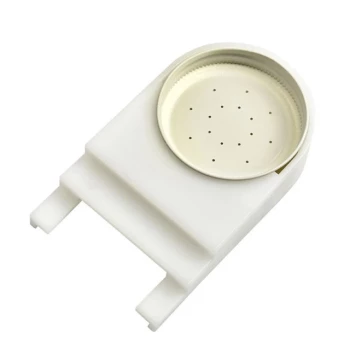
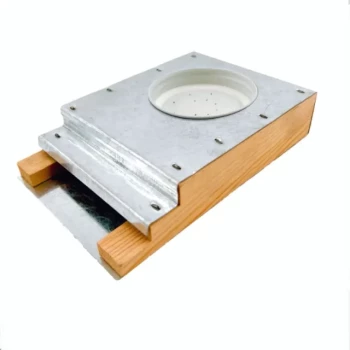
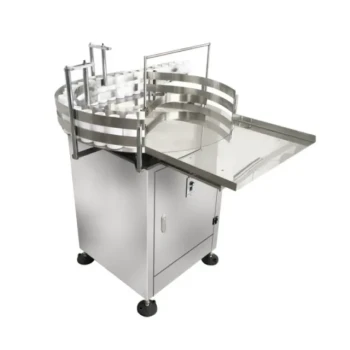
Supplemental feeding equipment acts as a critical bridge between natural nectar flows. When a natural flowering cycle concludes, apiaries often enter a "dearth period" where natural food sources become scarce. Using feeders during this transition is essential to prevent colony decline caused by food shortages, ensuring the hive remains strong enough to capitalize on the next season.
The strategic use of supplemental feeding prevents population collapse during forage gaps, ensuring the colony retains a sufficient workforce to maximize economic efficiency during the next peak flowering season.
Managing the Dearth Period
Preventing Colony Decline
When a honey flow ends, the immediate environment often lacks sufficient nectar and pollen.
Without intervention, this scarcity leads to a rapid nutritional deficit within the hive.
Supplemental feeding mitigates this risk by providing an alternative food source, effectively stopping the starvation that would otherwise reduce the colony's size.
Maintaining Worker Population
The primary biological goal of feeding is to maintain a robust population of worker bees.
A shrinking colony becomes vulnerable to pests and disease, and lacks the manpower to maintain hive temperature.
By bridging the nutritional gap, you ensure the colony remains biologically viable and active despite the lack of external resources.
The Economic Logic of Feeding
Investing in the Next Harvest
For commercial honey production or pollination services, timing is everything.
If a colony creates a "population dip" during a dearth, it will spend the beginning of the next flowering peak rebuilding its numbers rather than harvesting.
Supplemental feeding keeps the population high, allowing the colony to be immediately productive when the next nectar flow begins.
Increasing Economic Efficiency
Feeding is a calculated investment in future yields.
The cost of supplements is generally outweighed by the increased revenue from a colony that is ready to perform at maximum capacity.
This practice stabilizes production cycles, making apiary management more predictable and profitable.
Nutritional Mechanisms
Providing Essential Nutrients
Specialized feeders deliver critical macronutrients that are missing from the environment.
Common supplements include sugar syrup or honey water to replace carbohydrates, and pea flour to act as a protein substitute.
These supplements mimic the energy and building blocks found in natural nectar and pollen.
Stimulating Queen Activity
The presence of consistent food stores has a direct hormonal impact on the hive.
A steady supply of carbohydrates and proteins stimulates the queen bee to continue laying eggs.
This continuous brood rearing is vital to ensure a fresh workforce of foraging bees is ready for the future nectar flow.
Understanding the Trade-offs
Cost of Operation
While essential for high output, supplemental feeding adds operational overhead.
It requires investment in specialized equipment and the raw materials for feed (syrup, flour, etc.).
Apiarists must balance these immediate input costs against the projected value of the future harvest to ensure the practice remains economically sound.
Dependency Management
Feeding is an artificial intervention intended for specific windows of scarcity.
It requires careful monitoring of the forage calendar to know exactly when to start and stop.
Misinterpreting the calendar can lead to unnecessary resource expenditure if natural forage is actually available.
Strategic Implementation for Apiary Success
To ensure the long-term viability and profitability of your hives, align your feeding strategy with your specific operational goals.
- If your primary focus is Commercial Production: Prioritize feeding immediately as the flow ends to keep the worker population high for the next peak season.
- If your primary focus is Colony Maintenance: Use supplements to provide just enough carbohydrates and proteins to prevent starvation and stabilize the hive during the dearth.
Strategic feeding shifts apiary management from reactive survival to proactive production.
Summary Table:
| Benefit | Impact on Colony | Management Goal |
|---|---|---|
| Population Stability | Prevents population dips during dearths | Immediate productivity for next flow |
| Queen Stimulation | Sustains brood rearing and egg laying | Ensures a fresh workforce of foragers |
| Disease Resistance | Maintains hive temperature and defense | Reduces vulnerability to pests/disease |
| Economic Efficiency | Stabilizes production cycles | Maximizes ROI for commercial apiaries |
Maximize Your Apiary's Potential with HONESTBEE
Transitioning between honey flows requires precision and the right tools. At HONESTBEE, we specialize in supporting commercial apiaries and distributors with a comprehensive range of professional beekeeping solutions. From high-efficiency supplemental feeding equipment to advanced hive-making and honey-filling machinery, our portfolio is designed to enhance your operational productivity.
Whether you are scaling your commercial production or looking to supply the industry with high-quality consumables and hardware, our expert team is here to help you achieve consistent, profitable results.
Ready to elevate your beekeeping business? Contact us today to explore our wholesale offerings!
References
- Shoaib Momin Jan, Amit Kumar. Studies on the Bee Flora's Availability for Apis cerana indica in the Kashmir Valley during Spring Season. DOI: 10.9734/ijpss/2023/v35i193637
This article is also based on technical information from HonestBee Knowledge Base .
Related Products
- In-Hive Dual Compartment Frame Bee Feeder for Targeted Colony Nutrition
- HONESTBEE Professional Hive Top Bee Feeder Feeding Solution
- HONESTBEE Entrance Bee Feeder Efficient Hive Front Liquid Feeding Solution for Beekeeping
- HONESTBEE Entrance Bee Feeder Professional Hive Nutrition Solution for Beekeeping
- HONESTBEE Professional Entrance Bee Feeder Hive Nutrition Solution
People Also Ask
- What are the advantages of using a frame feeder for bee colonies? Boost Growth and Prevent Robbing Efficiently
- Why should sugar syrup or dry sugar not be left out in the open when feeding bees? Avoid a Dangerous Feeding Frenzy
- What precautions should be taken when feeding bees inside the hive? Safeguard Your Colony from Robbing and Leaks
- How do in-hive feeders support honey bee colonies during autumn? Ensure Overwintering Success for Your Apiary
- Why is an in-hive feeder necessary for stimulatory feed? Protect Nano-Particle Integrity and Dosage Accuracy