The immediate storage of royal jelly in industrial-grade ultra-low temperature freezers is a biological necessity, not merely a precaution. This substance contains highly volatile active proteins, organic acids, and vitamins that begin to degrade the moment they are exposed to room temperature. Storing the harvest in environments maintained below -18°C is the only effective method to instantly arrest microbial activity and oxidation, preserving the product's nutritional integrity.
Core Insight Royal jelly is chemically unstable due to its complex matrix of heat-sensitive proteins, sugars, and lipids like 10-HDA. Immediate ultra-low freezing stops the enzymatic reactions and microbial growth that would otherwise destroy the product's functional properties and commercial value within hours.
The Biochemistry of Instability
Vulnerability of Active Components
Royal jelly is defined by its rich composition of bioactive substances, including essential amino acids, vitamins, and specific organic acids.
These components, particularly heat-sensitive proteins, are chemically fragile. Without immediate thermal regulation, they rapidly lose the structural integrity required for their biological function.
The Threat of Oxidation and Fermentation
The product contains significant levels of monosaccharides and disaccharides. At room temperature, these sugars are prone to fermentation.
Simultaneously, the lipid components and active proteins interact with oxygen. This leads to oxidation, which alters the chemical composition and degrades the quality of the jelly.
Why "Ultra-Low" Temperature is Required
Arresting Enzymatic Activity
Simple refrigeration is often insufficient for long-term preservation. Industrial-grade freezers, typically set to -18°C (or as low as -22°C), are required to fully inhibit enzymatic activity.
By bringing the temperature down rapidly, you prevent the internal enzymes from breaking down the nutritional compounds. This ensures the amino acid profile remains identical to its state at the moment of harvest.
Halting Microbial Growth
Royal jelly is a nutrient-dense medium that can support bacterial growth if left unregulated.
Ultra-low temperatures create an environment where microbial metabolism is effectively frozen. This preserves the antibacterial potency of the jelly, which is one of its primary functional properties.
Economic and Analytical Implications
Preserving Commercial Value
The market value of royal jelly is directly tied to its concentration of bioactive markers, such as 10-hydroxy-2-decenoic acid (10-HDA).
Thermal degradation reduces these markers. Therefore, immediate freezing is the only way to guarantee the product meets commercial standards for freshness and potency during transport.
Ensuring Accurate Analysis
For researchers and producers, the chemical profile of the jelly must be verifiable.
Freezing ensures that subsequent biochemical analyses—such as sugar level testing or protein profiling—yield results that accurately reflect the original sample composition.
Common Pitfalls to Avoid
Neglecting Light Exposure
Temperature control is critical, but it is not the only variable. Royal jelly is also highly sensitive to ultraviolet rays, which trigger photo-oxidation.
Even at -18°C, exposure to light can decompose key components. Storage solutions must utilize light-shielding glass containers or opaque vials in conjunction with freezing.
Inconsistent Temperature Chains
"Industrial-grade" implies stability. A standard consumer freezer may fluctuate in temperature during defrost cycles.
For royal jelly, the temperature must remain consistently negative. Fluctuations can allow partial thawing and re-crystallization, which damages the delicate protein structures.
Making the Right Choice for Your Goal
To maintain the efficacy of royal jelly, you must treat it as a biological sample rather than a standard food ingredient.
- If your primary focus is Commercial Sales: Prioritize a consistent temperature of -18°C to prevent the degradation of 10-HDA, ensuring the product retains its premium market value.
- If your primary focus is Laboratory Analysis: Utilize freezing equipment capable of reaching -22°C immediately after harvest to lock in the exact amino acid and sugar profile for precise data.
Ultimately, the speed and severity of the freezing process are the deciding factors in whether harvested royal jelly remains a potent bioactive substance or becomes a degraded sugar solution.
Summary Table:
| Degradation Factor | Impact on Royal Jelly | Required Storage Condition |
|---|---|---|
| Enzymatic Activity | Breaks down active proteins and amino acids | Ultra-low temperature (<-18°C) |
| Oxidation | Leads to loss of 10-HDA and nutritional value | Airtight, opaque containers |
| Fermentation | Sugars convert, altering chemical composition | Constant sub-zero environment |
| Light Exposure | Photo-oxidation of sensitive compounds | UV-shielding or opaque storage |
| Microbial Growth | Bacterial contamination and loss of potency | Industrial-grade freezing |
Maximize Your Royal Jelly Value with HONESTBEE
Preserving the delicate bioactive compounds of royal jelly requires more than just standard cooling; it demands precision equipment designed for professional beekeeping. At HONESTBEE, we specialize in supporting commercial apiaries and distributors with high-performance tools and machinery.
From specialized harvesting hardware to the essential consumables required for medical-grade storage, we provide the full spectrum of equipment needed to maintain the integrity of your harvest. Whether you are scaling up your honey-filling operations or looking for reliable wholesale beekeeping supplies, our experts are here to help you optimize your production line.
Ready to upgrade your apiary’s efficiency? Contact HONESTBEE today for wholesale inquiries and expert solutions
References
- Vagner de Alencar Arnaut de Toledo, Fabiana Martins Costa-Maia. Viabilidade financeira da produção de geleia real com abelhas africanizadas suplementadas com diferentes nutrientes. DOI: 10.4025/actascianimsci.v32i4.7895
This article is also based on technical information from HonestBee Knowledge Base .
Related Products
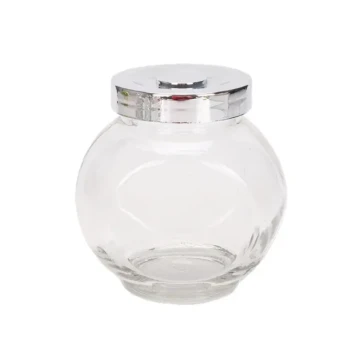
- Classic Round Glass Honey Jar with Lid
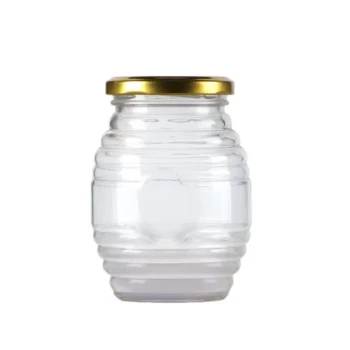
- Classic Drum Shaped Glass Honey Jar with Airtight Lid
- Economy Small Scale Honey Dryer Dehumidifier Thickening Machine
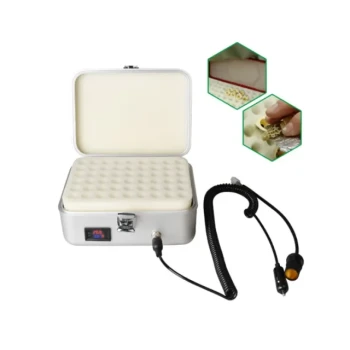
- Portable Queen Bee Incubator with 12V Car Adapter for Safe Transport
- Styrofoam Mini Mating Nuc Box with Frames Feeder Styrofoam Bee Hives 3 Frame Nuc Box
People Also Ask
- What is the aesthetic appeal of using glass jars for honey? Elevate Your Brand with Premium Packaging
- What are the advantages of glass containers for honey? Elevate Quality and Market Value with Premium Packaging
- How does the appearance of glass jar packaging affect the sales and perception of honey? Boost Your Premium Brand Value
- Why is a glass jar preferred for packaging honey? Ultimate Protection for Purity & Flavor
- What are the advantages of using high-quality glass containers in the commercial packaging of honey? Boost Premium Value