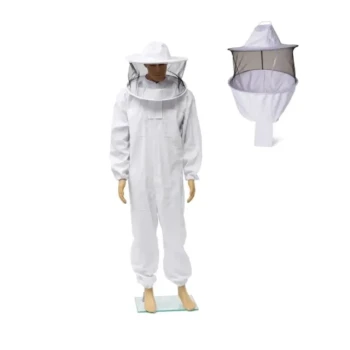
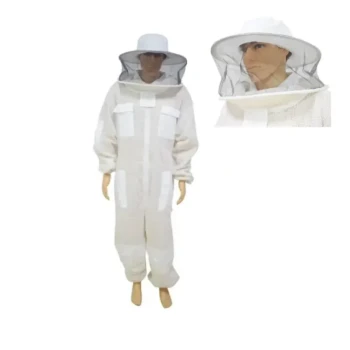
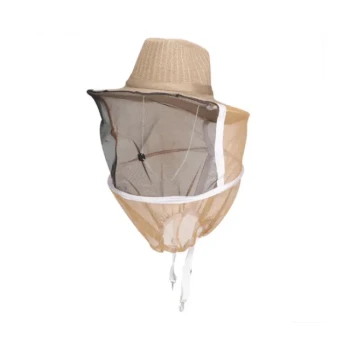
Bees are highly sensitive to foreign scents. If your beekeeping suit is exposed to harsh chemicals, the lingering residue can severely agitate the colony when they detect it. To prevent triggering this defensive behavior and ensuring a calm apiary, you must store and handle your protective gear completely separate from strong chemical substances.
The olfactory environment of the apiary is delicate; chemical residues on your suit disrupt this balance. Keeping gear chemical-free is not just about fabric care—it is a critical safety measure to prevent provoking aggression in the hive.
The Role of Scent in Hive Safety
Bees rely heavily on smell to interpret their environment and identify threats. Understanding how your suit smells to the bees is the key to maintaining a calm interaction.
The Impact of Chemical Residue
As noted, residues from harsh chemicals act as strong irritants to a colony. When a beekeeper approaches a hive wearing a suit contaminated by foreign chemical odors, the bees often react with agitation. This transforms a routine inspection into a dangerous situation.
The Danger of Pheromone Buildup
It is not just external chemicals you must manage; it is also the chemicals the bees leave behind. Old bee stings release alarm pheromones that cling to the fabric. If these are not removed, they act as a beacon, signaling other bees to attack and sting the same area.
Accumulation of Hive Debris
Over time, a suit collects pollen, propolis, wax, and dirt. While these are natural byproducts, their accumulation can degrade the suit and trap odors. Regular cleaning is necessary to reset the suit's scent profile and maintain its protective qualities.
Proper Maintenance Protocols
To ensure your suit remains "neutral" to the bees, you must adopt a strict cleaning and storage regimen.
Washing and Detergents
When washing your suit, avoid the very chemicals that cause agitation. Use mild laundry detergents or natural cleansing agents. Harsh industrial cleaners should never be used. Always remove distinct stains before the main wash to ensure a thorough clean.
Inspection and Repair
Before every use, inspect the suit for wear and tear. A compromise in the fabric renders the suit useless. specifically, check the zippers and replace them immediately if they are damaged or worn out.
Drying Techniques
Never expose wet gear to harsh sunlight, as UV rays can degrade the fabric and protective veils. Instead, hang the suit to dry in the shade.
Common Pitfalls to Avoid
Even with good intentions, improper storage can ruin a suit or make it unsafe.
Incorrect Hanging Methods
Do not hang your suit by the neck or the hood. This places stress on critical seams and can distort the shape of the protective veil. Always hang the suit by the shoulders to maintain its structural integrity.
Poor Storage Environments
Avoid storing your suit in damp basements or garages. Moisture invites mold and mildew, which damages the fabric. Furthermore, these areas often contain the very chemicals (paints, fuels, pesticides) you need to avoid.
Ignoring Pest Protection
Dust and pests can infiltrate a suit during the off-season. Storing the suit in a large protective bag is the best way to keep it clean and ready for the next season.
Making the Right Choice for Your Goal
Proper suit care balances immediate safety with long-term durability.
- If your primary focus is Reducing Bee Aggression: Prioritize washing your suit regularly with mild detergents to remove venom and alarm pheromones that trigger defensive attacks.
- If your primary focus is Gear Longevity: Store your suit in a cool, dry place inside a protective bag, ensuring it is hung by the shoulders to prevent fabric distortion.
Treat your suit as a precision tool; proper hygiene ensures it protects you without provoking the bees you care for.
Summary Table:
| Maintenance Factor | Impact on Bees & Gear | Recommended Action |
|---|---|---|
| Chemical Residues | Triggers colony agitation and defensive behavior | Use only mild detergents; avoid harsh cleaners |
| Alarm Pheromones | Signals other bees to attack the same spot | Regular washing to remove sting residues |
| Storage Environment | Risk of mold and chemical contamination | Store in a cool, dry area inside a protective bag |
| Structural Integrity | Compromised seams or veils lead to stings | Hang by shoulders and inspect zippers regularly |
Elevate Your Beekeeping Standards with HONESTBEE
At HONESTBEE, we understand that professional beekeeping requires precision tools and pristine equipment. As a leading supplier for commercial apiaries and distributors, we offer a comprehensive wholesale range designed for the industry's most demanding needs.
From durable protective suits that withstand rigorous maintenance to advanced honey-filling machines and hive-making hardware, our portfolio covers the full spectrum of beekeeping machinery and essential consumables. Whether you are scaling your commercial production or stocking high-quality merchandise for retail, we provide the expertise and equipment to help your business thrive.
Ready to upgrade your apiary’s efficiency? Contact us today to explore our wholesale solutions
Related Products
- Premium Cotton Beekeeper Suit with Reinforced Fencing Veil
- Professional Cotton Beekeeper Suit with Round Veil Design for Commercial Apiaries
- Professional Beekeeper Suit with Square Folding Cotton Veil
- Vented Beekeeping Jacket with Hood and Veil for Beekeepers
- Three-Layer Ventilated Beekeeper Suit with Structured Fencing Veil
People Also Ask
- What material and design specifications are recommended for a high-quality beekeeper suit? Top Gear Selection Guide
- How to Pre-treat Propolis Stains on Beekeeping Suits? Master Advanced Fabric Care and Soil Removal
- What features should be considered for sting protection in a beekeeping suit? Ensure Total Safety and Comfort
- What are the differences between full suits and jackets with veils in beekeeping? Choose Your Best Protection
- What features should be looked for in a beekeeping suit for maximum comfort? Prioritize Ventilation and Fit