Toggle Categories
Get Instant Support
Choose your preferred way to connect with our team
-
Get Free Quote Fill out form for detailed pricing
-
Send Email Detailed inquiry support
-
WhatsApp Quick mobile chat
Response Time
Within 8 hours on working days, 24 hours on holidays





Hive Management

Professional Stainless Steel Pry-Bar Hive Tool
Item Number: HT-2

Stainless Steel J Hook Hive Tool for Beekeeping
Item Number: HT-3
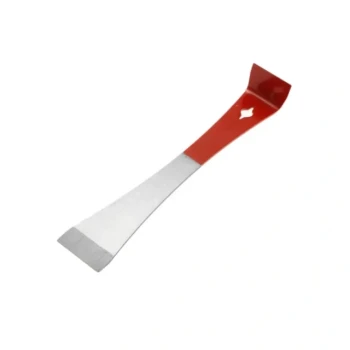
Professional Steel Pry-Bar Hive Tool with Painted Grip
Item Number: HT-6
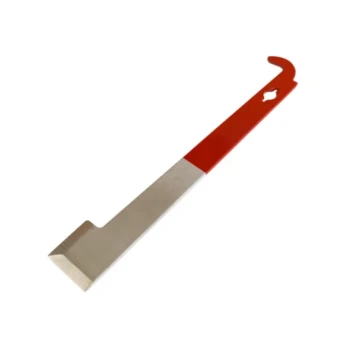
Professional Stainless Steel J-Hook Hive Tool
Item Number: HT-8

Professional Multi-Function Stainless Steel Hive Tool
Item Number: HT-9

Plastic Handle Single Row Artificial Fiber Bee Brush
Item Number: BB-1
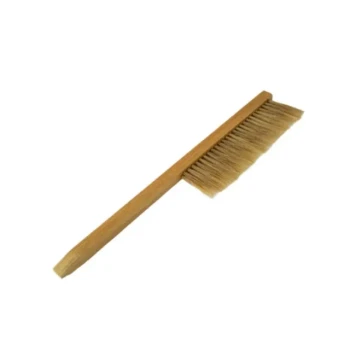
Classic Wooden Bee Brush with Double-Row Boar Bristles
Item Number: BB-6
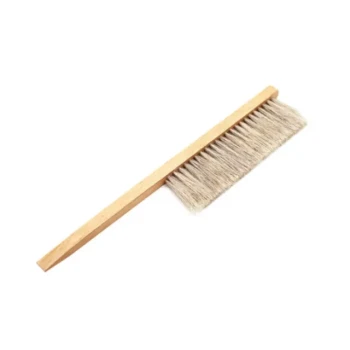
Wooden Bee Brush with Double-Row Horsehair Bristles
Item Number: BB-5
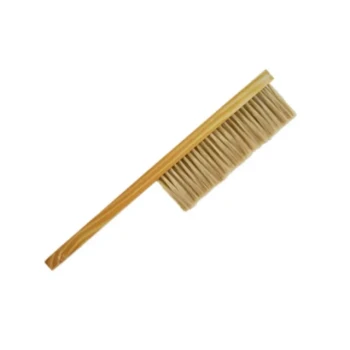
Double Row Artificial Fiber Bee Brush for Beekeeping
Item Number: BB-4

White Plastic 0.5L Beekeeping Entrance Feeder for Bees
Item Number: BF-1


Reusable Clear Small Hive Beetle Traps for Beehives Beetle Trapping Tools
Item Number: HBT-1

Plastic Beetle Blaster Trap Beekeeping Tools and Supplies
Item Number: HBT-2

Black Plastic Beetle Barn Hive Beetle Trap for Beehives
Item Number: HBT-3

Reusable Aluminium Beetle Trap for Small Hive Beetles Silver Bullet
Item Number: HBT-4

Removable Washable Hive Beetle Trap Attractants for Small Hive Beetles
Item Number: HBT-5


Oxalic Acid Vaporizer 12V for Bee Varroa Mite Treatment
Item Number: OAV-3


Varroa Easy Check Mite Tester Kit Counter Alcohol Wash Jar
Item Number: VEC-1

HONESTBEE Professional Entrance Bee Feeder Hive Nutrition Solution
Item Number: BF-11

Professional In-Hive Frame Bee Feeder by HONESTBEE
Item Number: BF-12

HONESTBEE Round Hive Top Bee Feeder for Syrup
Item Number: BF-14
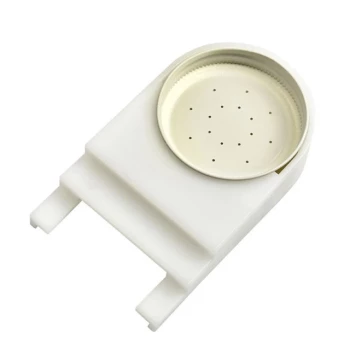
Classic Boardman Entrance Bee Feeder Hive Front Feeding Solution
Item Number: BF-15
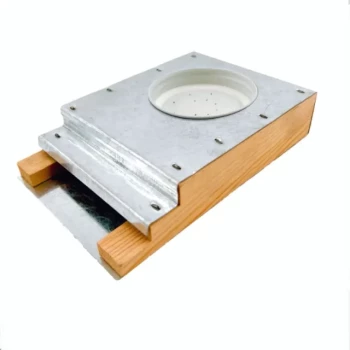


Professional Hive Top Bee Feeder for Beekeeping
Item Number: BF-18

HONESTBEE Square Top Hive Bee Feeder Top Bee Feeder
Item Number: BF-19

Professional Hive Front Entrance Bee Feeder
Item Number: BF-20
Edit This Page
REQUEST A QUOTE
Our professional team will reply to you within one business day. Please feel free to contact us!
Related Articles
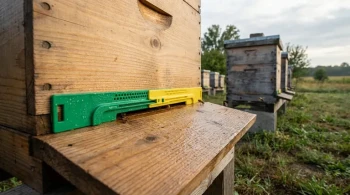
How Entrance Reducers Protect Beehives Through Seasonal Extremes
Learn how entrance reducers protect beehives from winter condensation and spring robbing, optimizing hive health and honey yields year-round.
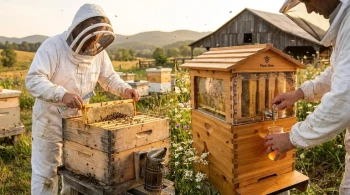
Flow Hive vs. Langstroth: Choosing the Right Hive for Your Beekeeping Goals
Compare Flow Hive vs. Langstroth beehives: efficiency, cost, and maintenance differences to choose the best system for your beekeeping goals.
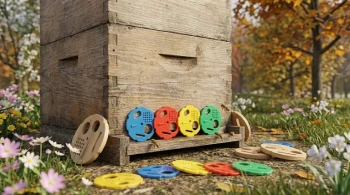
Mastering Entrance Reducers: Seasonal Strategies for Hive Defense and Health
Learn seasonal strategies for using entrance reducers to protect hives from pests, regulate temperature, and improve colony health.
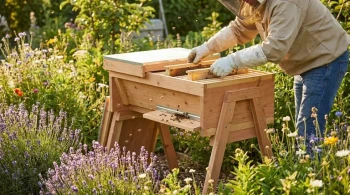
How Top Bar Hives Naturally Boost Bee Health and Simplify Beekeeping
Top bar hives promote natural bee health with comb freedom, thermal efficiency & sustainable harvesting. Ideal for low-maintenance backyard beekeeping.
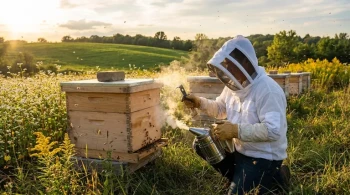
How to Choose Beekeeping Tools: A Practical Guide for Every Budget and Climate
Learn how to choose the best beekeeping tools for your budget and climate, from protective gear to hive management essentials.
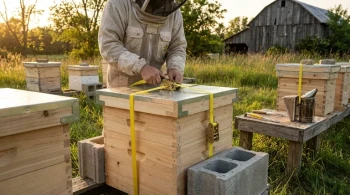
How to Strengthen Langstroth Hive Roofs Against Storms Without Compromising Functionality
Learn how to reinforce Langstroth hive roofs for storm protection while maintaining ventilation and moisture control for colony health.
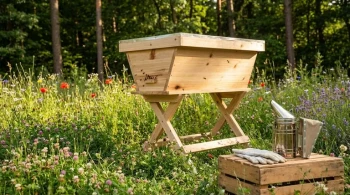
How Top Bar Hives Simplify Natural Beekeeping for Hobbyists
Top bar hives simplify natural beekeeping for hobbyists with cost-efficiency, healthier colonies, and low-maintenance care.
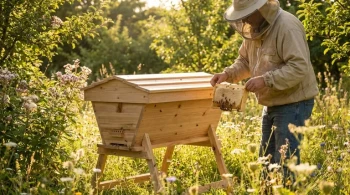
How Top Bar Beehives Naturally Reduce Pest Risks and Simplify Beekeeping
Discover how Top Bar Hives naturally reduce pests, simplify beekeeping, and promote hive health with sustainable, low-maintenance designs.
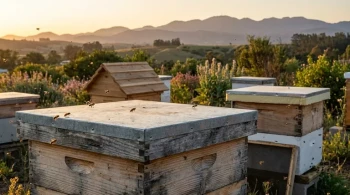
How Beehive Top Cover Design and Materials Protect Your Colony's Health
Learn how beehive top cover design and materials protect your colony from pests, weather, and temperature swings for optimal hive health.
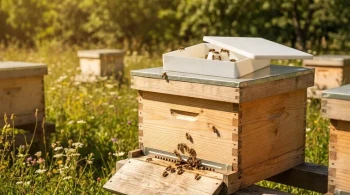
How to Choose the Right Bee Feeder for Your Hive’s Health and Efficiency
Learn how to choose the right bee feeder for hive health, efficiency, and pest control. Compare types, seasonal tips, and cost-effective solutions.
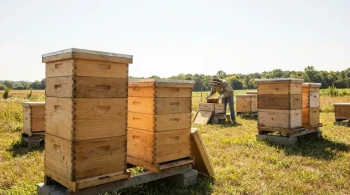
Strategic Super Sizing: How Beekeepers Optimize Hive Management
Learn how beekeepers optimize hive productivity with strategic super sizing—deep, medium, and shallow supers for brood, honey storage, and ergonomics.
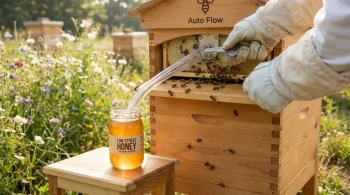
How Auto Flow Beehives Protect Bees While Doubling Harvest Efficiency
Auto Flow Beehives reduce bee stress by 80% and double honey yields with non-invasive harvesting. Ideal for sustainable apiculture.
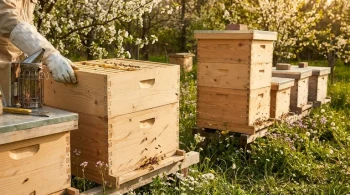
How to Expand Your Beehives in Spring Without Triggering Swarms
Learn how to expand beehives in spring using 8-frame systems to prevent swarming and boost honey production with sustainable hive management.
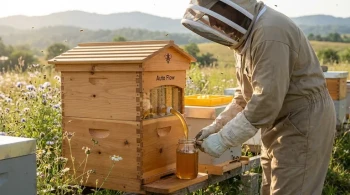
How Auto Flow Beehives Transform Honey Harvesting Through Stress-Free Design
Auto Flow Beehives revolutionize honey harvesting with stress-free design, boosting yields & hive health. Discover the future of beekeeping.
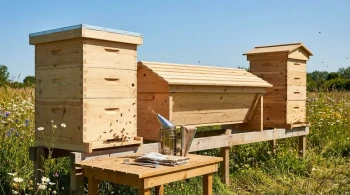
How to Choose the Right Beehive: A Practical Guide for Every Beekeeper
Learn how to choose the right beehive—Langstroth, Top Bar, or Warre—based on your environment, goals, and budget for thriving beekeeping.
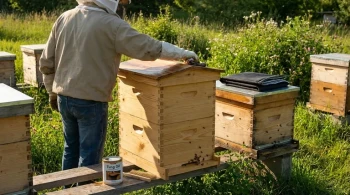
How to Protect Hive Roofs Sustainably: Tung Oil Techniques and Maintenance Strategies
Learn sustainable hive roof protection using tung oil—non-toxic, durable, and bee-safe. Tips for installation, maintenance, and warping prevention.
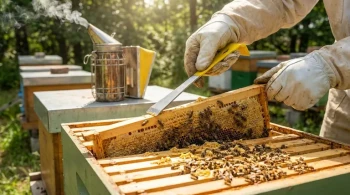
The Beekeeper’s Guide to Hive Tools: How to Choose and Use Them for Efficient Apiary Management
Learn how to choose and use hive tools for efficient beekeeping. Discover material, design, and maintenance tips for smooth apiary management.
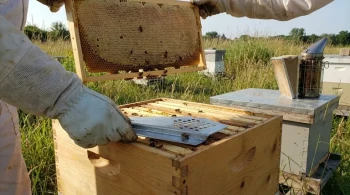
How to Clear Honey Supers Humanely: Reliable Methods & Troubleshooting
Learn humane methods to clear honey supers without stressing bees, including bee escapes, fume boards, and troubleshooting tips for stubborn colonies.
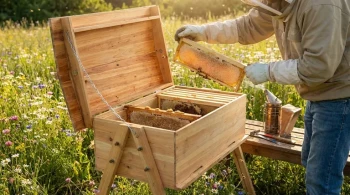
How to Optimize Honey Storage in Top Bar Hives for Healthier Colonies
Learn how to optimize honey storage in top bar hives for healthier bee colonies with strategic comb placement and seasonal adjustments.
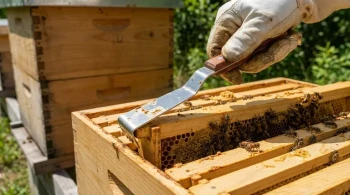
How to Use Hive Tools Without Damaging Your Apiary: A Beekeeper’s Guide
Learn how to use hive tools safely to protect your apiary. Avoid frame damage, reduce bee stress, and improve efficiency with expert tips.