Toggle Categories
Get Instant Support
Choose your preferred way to connect with our team
-
Get Free Quote Fill out form for detailed pricing
-
Send Email Detailed inquiry support
-
WhatsApp Quick mobile chat
Response Time
Within 8 hours on working days, 24 hours on holidays






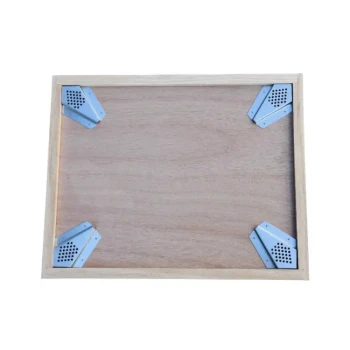
Honey Harvesting Equipment
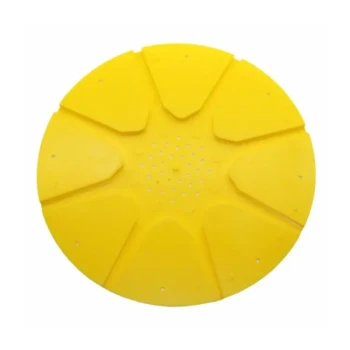
Efficient Hive Clearing: HONESTBEE 8-Way Plastic Bee Escape
Item Number: BE-1

Professional Cone Style Bee Escape for Efficient Honey Harvesting
Item Number: BE-3
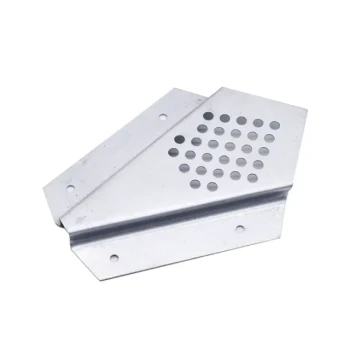
Heavy Duty Metal Corner Bee Escape for Reliable Hive Clearing
Item Number: BE-4

High-Efficiency Diamond Maze Bee Escape for Clearing Supers
Item Number: BE-5
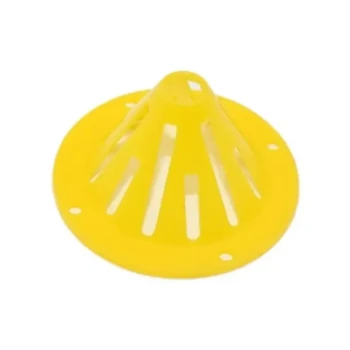
Slatted Porter Style Bee Escape for Rapid Hive Clearing
Item Number: BE-6
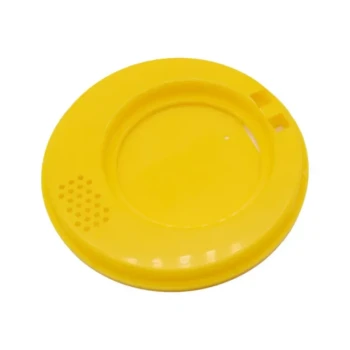
Circular Labyrinth Bee Escape for Efficient Hive Management
Item Number: BE-7
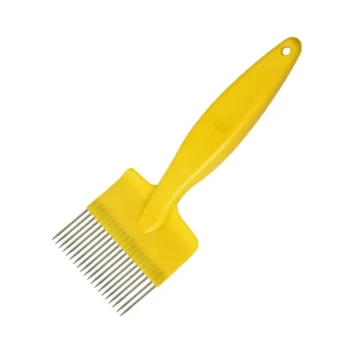
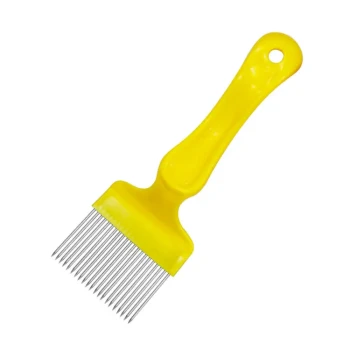
Professional Durable Plastic Handle Honey Uncapping Fork
Item Number: UCF-9
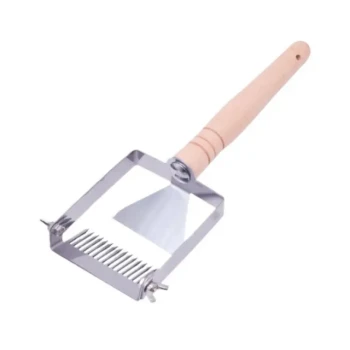
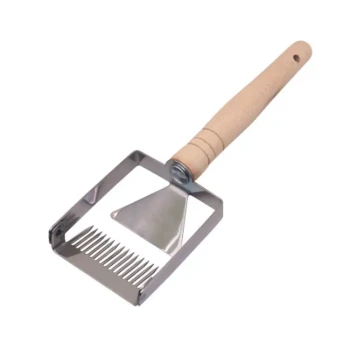
Adjustable Stainless Steel Honey Uncapping Fork with Scraper for Beekeeping
Item Number: UCS-1A
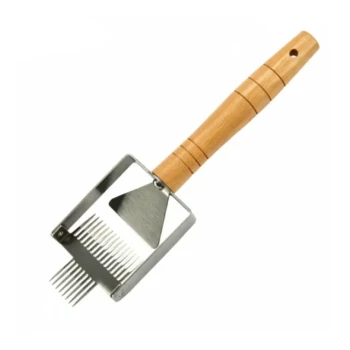
Double-Sided Pivoting Honey Uncapping Fork with Scraper for Beekeeping
Item Number: UCS-1B
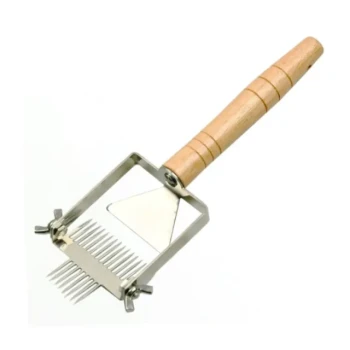
Adjustable Stainless Steel Honey Uncapping Fork with Scraper Beekeeping Tool
Item Number: UCS-1C
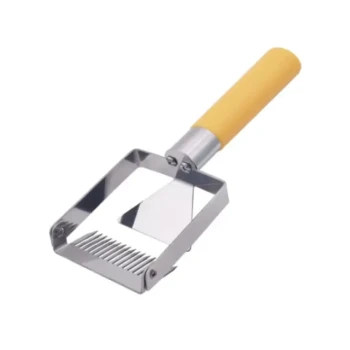
Stainless Steel Pivoting Honey Uncapping Fork with Plastic Handle
Item Number: UCS-2
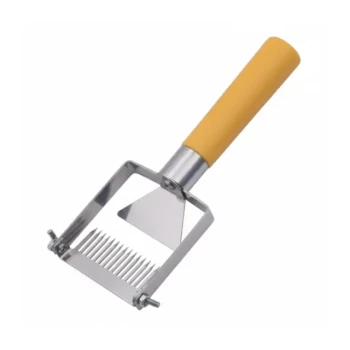
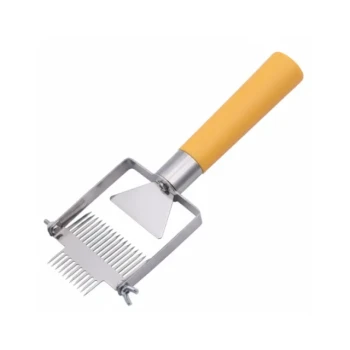
Double Sided Adjustable Honey Uncapping Fork with Plastic Handle
Item Number: UCS-2C
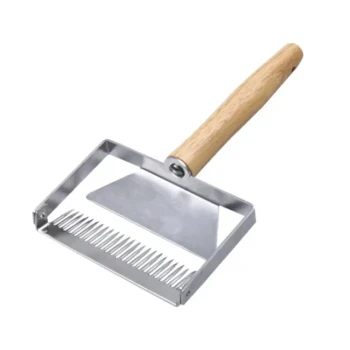
Extra Wide Stainless Steel Honey Uncapping Fork with Scraper Beekeeping Tool
Item Number: UCS-3

Wide Adjustable Stainless Steel Honey Uncapping Fork with Scraper
Item Number: UCS-3A
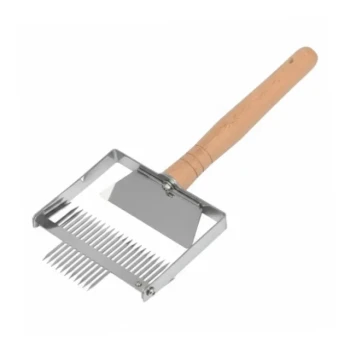
Stainless Steel Double Sided Honey Uncapping Fork with Scraper
Item Number: UCS-3B
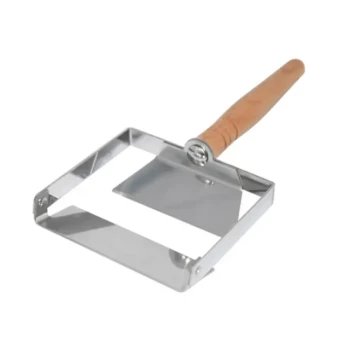
Stainless Steel Dual Blade Uncapping Plane
Item Number: UCS-4

All-Stainless Steel Pivoting Honey Uncapping Fork for Beekeeping
Item Number: UCS-5
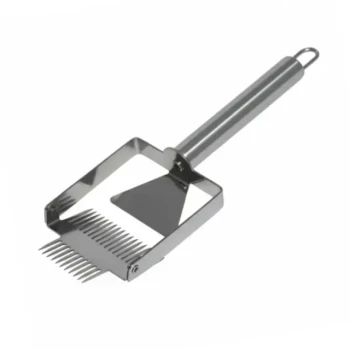
All Stainless Steel Double Sided Pivoting Honey Uncapping Fork
Item Number: UCS-5B
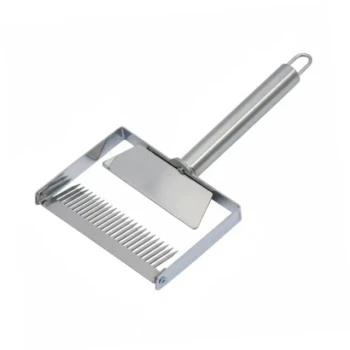
Extra-Wide All-Stainless Steel Honey Uncapping Fork with T-Handle
Item Number: UCS-6
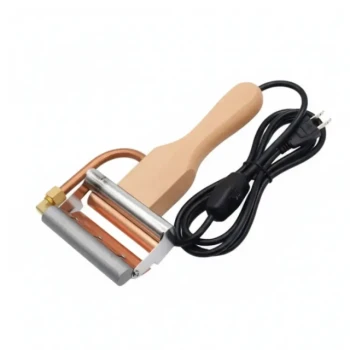
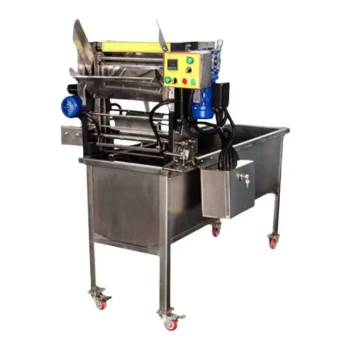
Electric Adjustable Blade Honey Uncapping Plane
Item Number: UCS-7
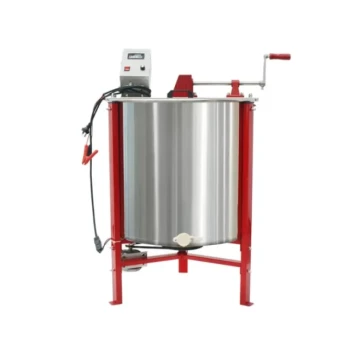
HONESTBEE 6 Frame Three Use Electric Honey Extractor for Beekeeping
Item Number: HE-6MEA

HONESTBEE 4 Frame Manual Self Reversing Honey Extractor for Beekeeping
Item Number: HE-4MS
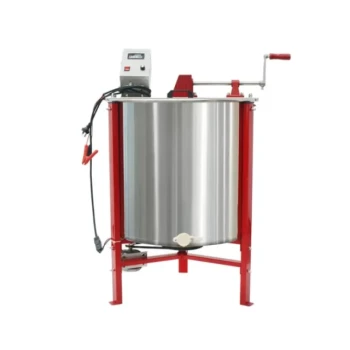
HONESTBEE 8 Frame Electric and Manual Three Use Honey Extractor
Item Number: HE-8MEA
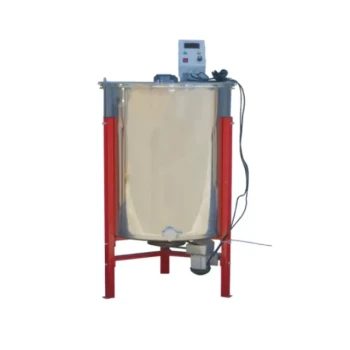
Professional 4 Frame Self Reversing Electric Honey Extractor for Beekeeping
Item Number: HE-4ES

HONESTBEE 2 Frame Manual Acrylic Honey Extractor Beekeeping Equipment
Item Number: HE-2MT
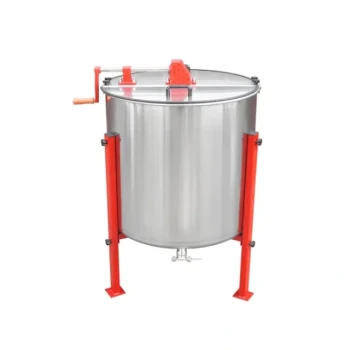
6 Frame Manual Stainless Steel Honey Extractor Beekeeping Equipment
Item Number: HE-6M

32 Frame Commercial Electric Honey Extractor for Beekeeping and Honey Production
Item Number: HE-32E

HONESTBEE 72 Frame Industrial Electric Honey Extractor for Beekeeping
Item Number: HE-72E
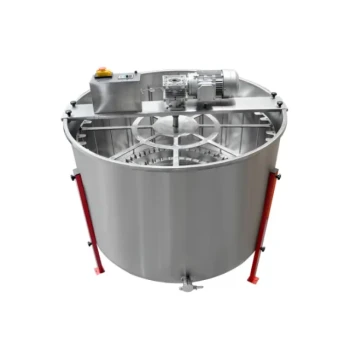
40 Frame Commercial Electric Honey Extractor for Beekeeping
Item Number: HE-40E
Edit This Page
REQUEST A QUOTE
Our professional team will reply to you within one business day. Please feel free to contact us!
Related Articles
How to Use Escape Boards for Stress-Free Honey Harvesting: A Beekeeper's Guide
Learn how escape boards streamline honey harvesting with 90% bee clearance, protecting colonies and boosting efficiency in modern beekeeping.
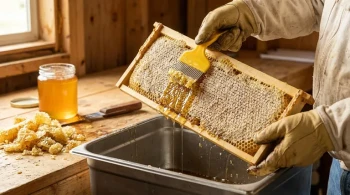
How to Choose and Master Decapping Knives for Optimal Honey Yield
Learn how to choose and use decapping knives for optimal honey yield, comb preservation, and beekeeping efficiency.
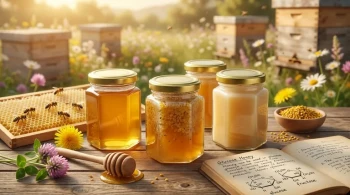
Why Honey Crystallizes Differently—And How to Manage It Naturally
Learn why honey crystallizes differently based on sugar composition and floral source, plus natural storage and decrystallization tips.
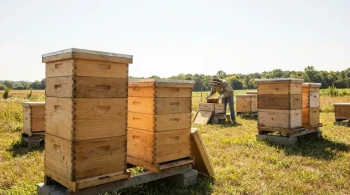
Strategic Super Sizing: How Beekeepers Optimize Hive Management
Learn how beekeepers optimize hive productivity with strategic super sizing—deep, medium, and shallow supers for brood, honey storage, and ergonomics.
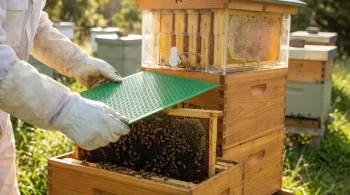
Strategic Queen Excluder Use in Flow Hives: Preventing Brood Contamination Without Triggering Swarms
Learn how to strategically use queen excluders in Flow Hives to prevent brood contamination while minimizing swarming risks for optimal honey production.
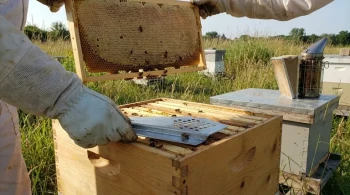
How to Clear Honey Supers Humanely: Reliable Methods & Troubleshooting
Learn humane methods to clear honey supers without stressing bees, including bee escapes, fume boards, and troubleshooting tips for stubborn colonies.
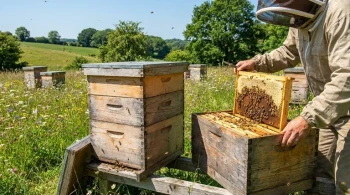
How Beekeepers Can Optimize Hive Productivity Through Strategic Component Use
Learn how beekeepers optimize hive productivity with strategic brood chamber and honey super use to prevent swarming and boost honey yields.
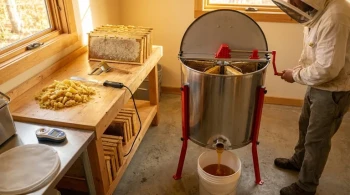
How to Optimize Honey Extraction Without Compromising Quality
Learn field-tested honey extraction methods to maximize yield while preserving quality, from uncapping tools to filtration and bottling.
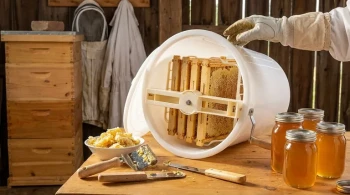
How to Extract Honey Safely Without Damaging Equipment or Hives
Professional honey extraction techniques to maximize yield while protecting combs and hive health. Learn damage-free harvesting and sustainable hive management.
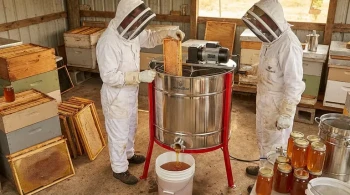
How to Choose the Right Honey Processing Method for Your Apiary
Learn how to choose the best honey processing method for your apiary—balancing quality, efficiency, and budget for small to large-scale operations.
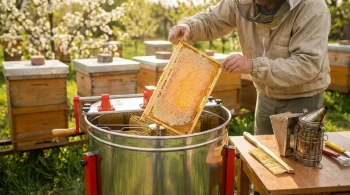
How to Harvest Honey Ethically: Bee-Friendly Techniques for Healthy Colonies
Learn ethical honey harvesting techniques to protect bee colonies while maximizing yield. Discover comb readiness tests, bee-friendly removal methods, and post-harvest care.
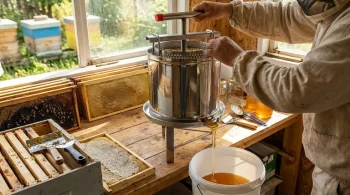
How Honey Screw Presses Solve Hygiene, Durability, and Efficiency Challenges for Small Beekeepers
Modern honey screw presses enhance hygiene, durability & efficiency for small beekeepers with stainless steel designs and space-saving features.
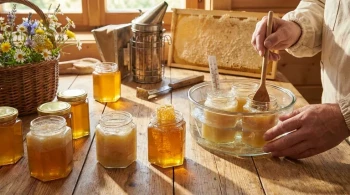
How to Manage Honey Crystallization Without Compromising Quality
Learn how to manage honey crystallization naturally while preserving quality. Discover safe decrystallization methods and storage tips for beekeepers.
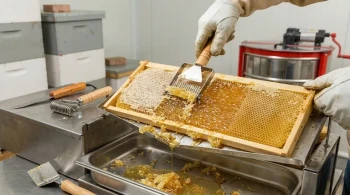
How to Master Wax Cap Removal: Advanced Techniques for Higher Honey Yields
Master wax cap removal techniques to maximize honey yields, preserve comb integrity, and streamline your beekeeping workflow with professional-grade methods.
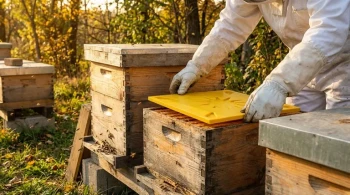
How to Optimize Triangle Bee Escape Boards for Maximum Honey Yield
Learn how to optimize triangle bee escape boards for maximum honey yield by understanding bee behavior, temperature dynamics, and proper installation techniques.
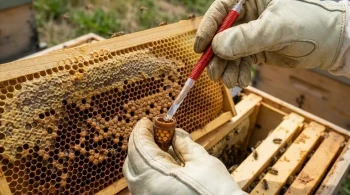
How to Improve Queen-Rearing Success: Biologically Optimized Grafting Techniques
Boost queen-rearing success with science-backed grafting techniques focusing on larval biology, tool prep, and colony conditions for higher acceptance rates.
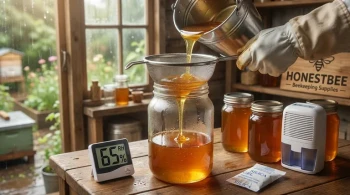
How Humidity Alters Honey’s Flavor and Practical Ways to Preserve It
Learn how humidity affects honey's flavor and discover practical storage solutions to preserve its quality for beekeepers and enthusiasts.
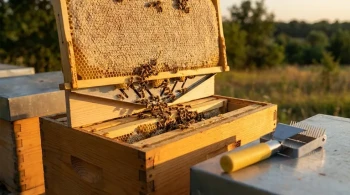
How to Harvest Honey Humanely Using Escape Boards: A Beekeeper’s Guide
Learn humane honey harvesting with triangle escape boards—minimize bee stress while maximizing yield. Essential for ethical beekeepers.
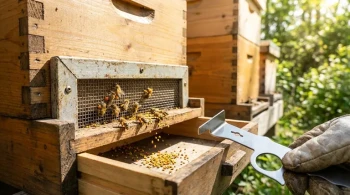
Beyond Honey: The Strategic Calculus of the Pollen Trap
Pollen traps offer a protein reserve for colony growth but introduce risks. Learn the strategic calculus for using this powerful beekeeping tool.
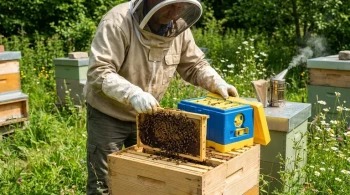
Why Nucs Give New Beekeepers a 75% Higher Success Rate (and How to Maximize Their Advantage)
Nucs boost new beekeepers' success rates by 75% with established colonies, accepted queens, and faster honey production. Learn how to maximize their advantages.