Toggle Categories
Get Instant Support
Choose your preferred way to connect with our team
-
Get Free Quote Fill out form for detailed pricing
-
Send Email Detailed inquiry support
-
WhatsApp Quick mobile chat
Response Time
Within 8 hours on working days, 24 hours on holidays





Hives & Components

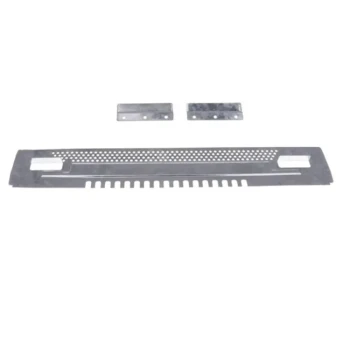
Australian Pine Wood Langstroth Screen Bottom Board for Wholesale
Item Number: HBB-4
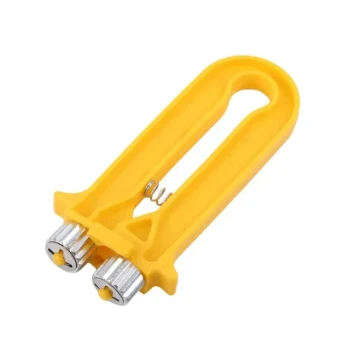
HONESTBEE Ergonomic Spring Loaded Frame Wire Crimper
Item Number: WT-1
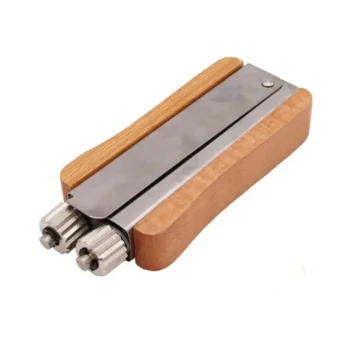
HONESTBEE Durable Ergonomic Wooden Handle Frame Wire Crimper
Item Number: WT-2
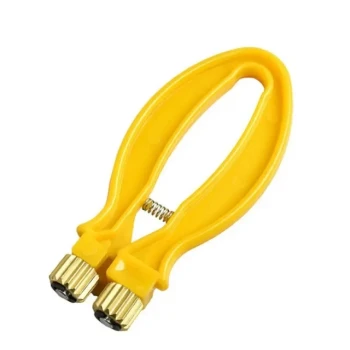
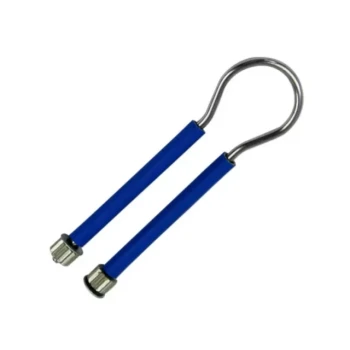
HONESTBEE Loop Handle Frame Wire Crimper
Item Number: WT-4
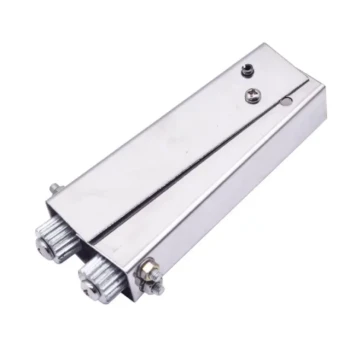
HONESTBEE Heavy Duty All Metal Frame Wire Crimper Tool
Item Number: WT-5

HONESTBEE Professional Frame Wiring Board and Jig
Item Number: WT-6
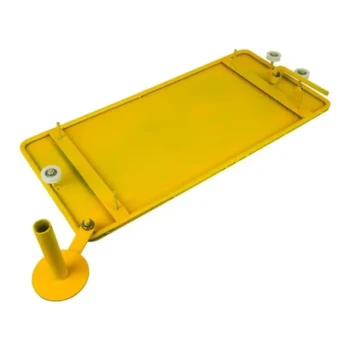
HONESTBEE Durable Frame Wiring Board with Integrated Tensioner
Item Number: WT-7

HONESTBEE Adjustable Voltage Wire Embedder with Digital Display
Item Number: WE-10
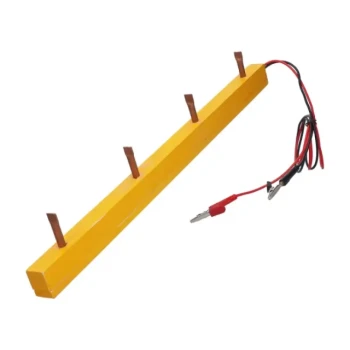
HONESTBEE Wooden Bar Copper Prong Wire Embedder for Battery Operation
Item Number: WE-9

HONESTBEE AC Powered Wire Embedder with Alligator Clips
Item Number: WE-7
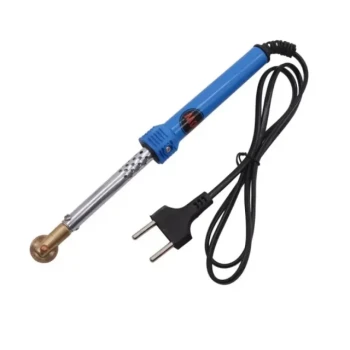
HONESTBEE Soldering Iron Style Spur Wheel Wire Embedder
Item Number: WE-5
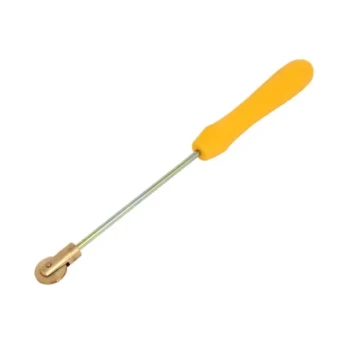
Manual Spur Wheel Wire Embedder for Foundation
Item Number: WE-4
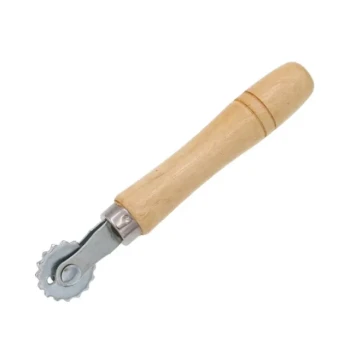
Honestbee Wooden Handle Steel Spur Wheel Wire Embedder
Item Number: WE-1
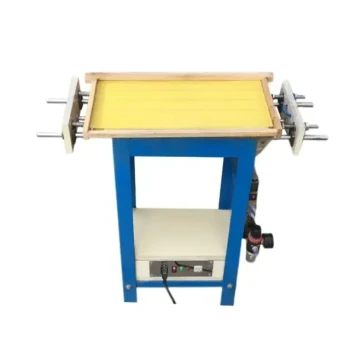
Professional Pneumatic Wire Embedder for Beehive Frames
Item Number: WE-11
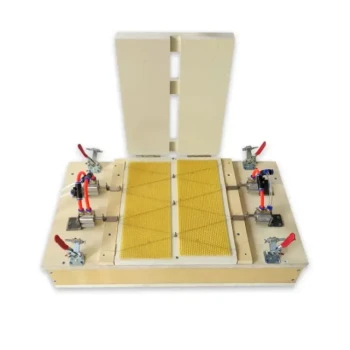
HONESTBEE Pneumatic Dual Wire Embedder for W-Pattern Foundation Wiring
Item Number: WE-12
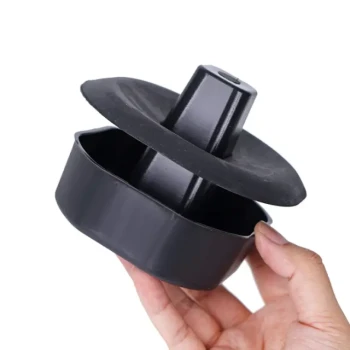
Professional Ant-Proof Beehive Stand with Integrated Moat for Beekeeping
Item Number: BHY-4
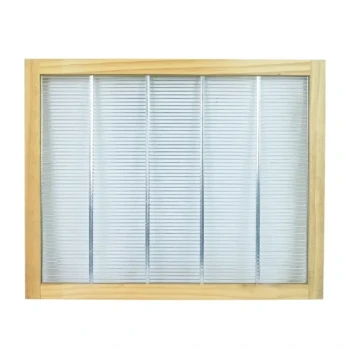
Premium Wood Framed Metal Wire Queen Bee Excluder
Item Number: QE-5
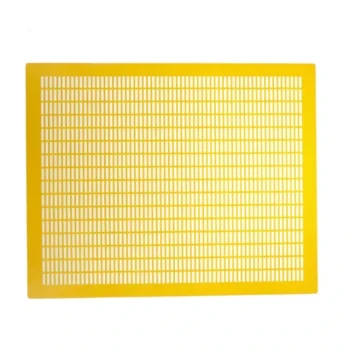
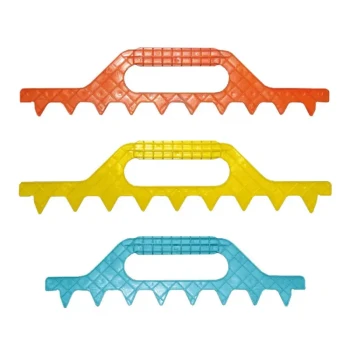
Professional Plastic Queen Excluder for Modern Beekeeping
Item Number: QE-2Y
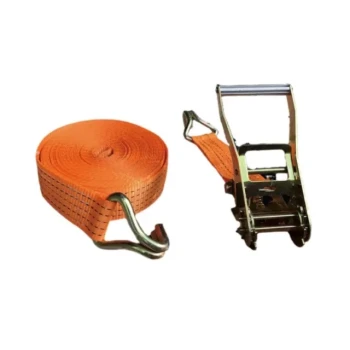
Heavy Duty Ratchet Hive Strap
Item Number: BHS-1
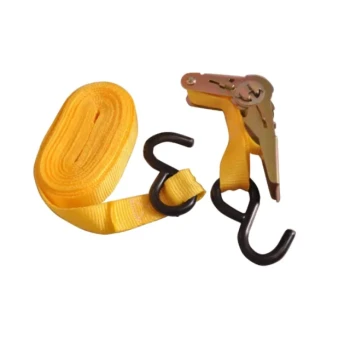
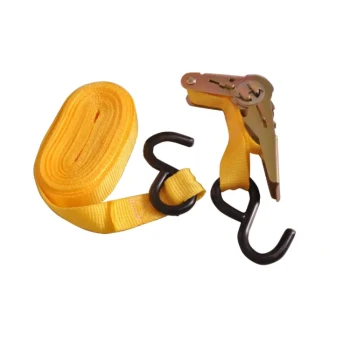
Versatile Ratchet Hive Strap with S-Hooks for Secure Fastening
Item Number: BHS-3
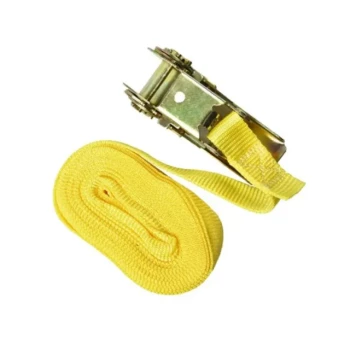
Endless Loop Ratchet Hive Strap
Item Number: BHS-4
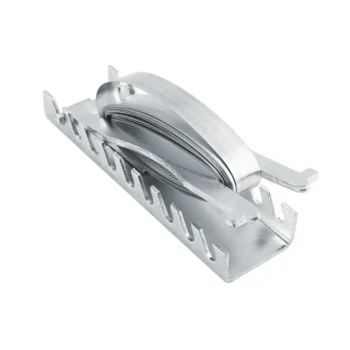
High Security Emlock Strap System
Item Number: BHS-5
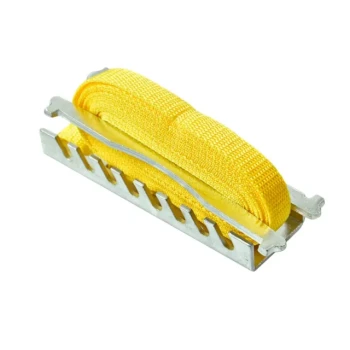
Professional Galvanized Hive Strap with Secure Locking Buckle for Beekeeping
Item Number: BHS-5A

Heavy-Duty Nylon Beehive Hive Strap with Stainless Steel Cinch Buckle
Item Number: BHS-6
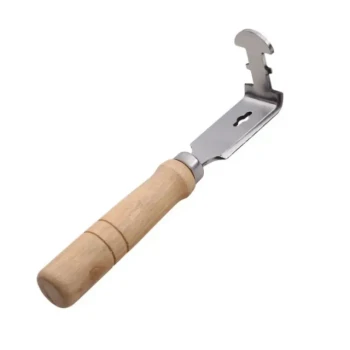
Professional Stainless Steel Frame Cleaner with Ergonomic Wood Handle
Item Number: FC-1
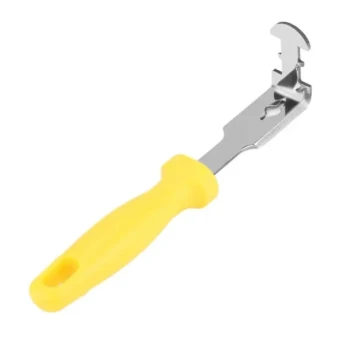
Heavy Duty Stainless Steel Frame Cleaner with Plastic Handle
Item Number: FC-1A

Precision Stainless Steel Frame Cleaner for Hive Grooves and Corners
Item Number: FC-3
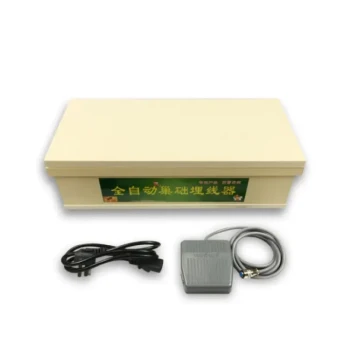
Professional Adjustable Timer Electric Wire Embedder
Item Number: WE-13
REQUEST A QUOTE
Our professional team will reply to you within one business day. Please feel free to contact us!
Related Articles

How to Mark Queen Bees Safely Using the 5-Year Color Code System
Learn the 5-year color code system for marking queen bees to improve hive health, prevent swarming, and boost honey production.
How to Replace Queen Cells in Nucleus Hives Without Triggering Bee Drifting
Learn how to replace queen cells in nucleus hives without triggering bee drifting, reducing worker bee losses by over 60% in commercial operations.
How to Prevent Queen Bee Rejection: Mastering Pheromone Timing for Hive Success
Learn pheromone timing & hive strategies to prevent queen bee rejection, boost acceptance rates, and maximize colony productivity.
How Oblong Holes in Hive Entrance Reducers Improve Security and Efficiency
Discover how oblong hole entrance reducers enhance hive security and bee traffic flow compared to traditional round-hole designs.
How Queen Clip Catchers Protect Your Hive During Beekeeping Interventions
Learn how queen clip catchers protect your hive during beekeeping interventions, ensuring colony stability and faster recovery.
How to Raise Superior Queen Bees: The Science of Larval Selection and Care
Learn the science of larval selection and care to raise superior queen bees, boosting colony productivity and honey yields.
How to Protect Queen Cells: A Beekeeper’s Guide to Reliable Methods
Learn effective methods to protect queen cells in beehives, from physical barriers to seasonal strategies for optimal hive health.
How to Store Hive Straps Properly to Prevent Damage and Boost Efficiency
Learn expert tips for storing hive straps to prevent damage, extend lifespan, and maintain hive security. Ideal for nylon, polyester, and metal components.
Why Nucs Give New Beekeepers a 75% Higher Success Rate (and How to Maximize Their Advantage)
Nucs boost new beekeepers' success rates by 75% with established colonies, accepted queens, and faster honey production. Learn how to maximize their advantages.
Control vs. Versatility: The Engineering Psychology of Hive Tools
Explore the trade-offs between a frame lifter and a standard hive tool, and how tool choice impacts beekeeper confidence and colony safety.
How to Ensure New Beehive Survival: Feeding Strategies and Colony Milestones
Learn essential feeding strategies and colony milestones to ensure new beehive survival. Tips on sugar syrup ratios, pollen patties, and progress monitoring.
Beyond Lifting: The Frame Gripper and the Psychology of Control in Beekeeping
A frame gripper isn't just for lifting; it's a tool for control, minimizing hive stress and boosting beekeeper confidence for safer apiary management.
Anatomy of a Hive Tool: The Simple Physics of Calm Beekeeping
Explore how a hive tool's geometry—flat, bent, and hooked—provides mechanical advantages for efficient, gentle, and stress-free hive management.
The One-Handed Lift: Why a Simple Frame Grip is Your Apiary's Most Underrated Productivity Tool
Learn how manual frame inspections drain time and resources. Discover how a frame grip boosts operational efficiency, reduces bee stress, and protects your bottom line.
The Unsung Interface: Why a Simple Hive Tool Defines Beekeeping
The beekeeper's hive tool isn't just a pry bar; it's a crucial interface designed to respectfully overcome the bee's powerful propolis engineering.
How to Secure Beehives in Winter: Tie-Down Straps as a Lifeline for Colonies
Learn how tie-down straps protect beehives from winter storms, prevent colony loss, and boost survival rates. Essential for beekeepers.
Leverage and Finesse: The Ergonomic Imperative of the Hive Tool
Discover why the 8-10 inch hive tool is the professional standard, balancing the physics of leverage with the psychological need for control.
The Unseen Cost of a Single Point of Failure: A Beekeeper's Guide to Hive Tools
Discover why relying on a single hive tool creates a critical failure point in apiary management and how a multi-tool system boosts resilience.
How to Choose Between Telescoping and Migratory Lids for Your Langstroth Hive
Compare telescoping vs. migratory lids for Langstroth hives: climate adaptability, mobility, and cost factors for optimal beekeeping performance.
An Extension of the Hand: The Physics and Psychology of the Beekeeper's Hive Tool
Explore the hive tool's design, from the physics of prying propolis to the psychology of a calm inspection. A simple tool for a complex system.