Toggle Categories
Get Instant Support
Choose your preferred way to connect with our team
-
Get Free Quote Fill out form for detailed pricing
-
Send Email Detailed inquiry support
-
WhatsApp Quick mobile chat
Response Time
Within 8 hours on working days, 24 hours on holidays









Protective Gear
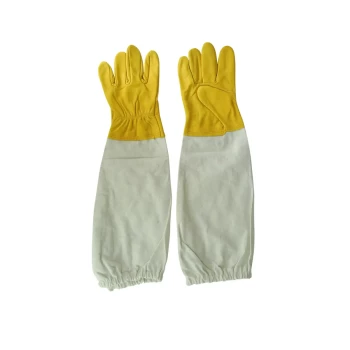
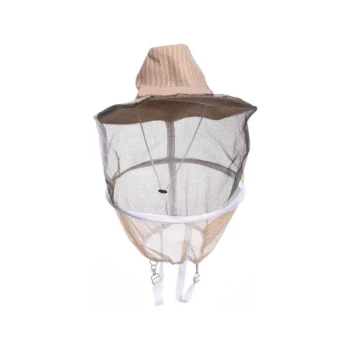





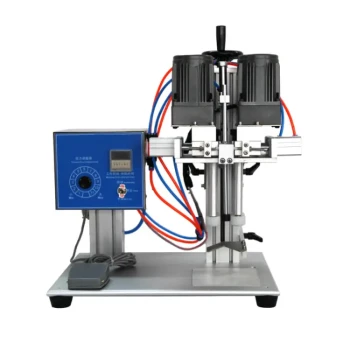
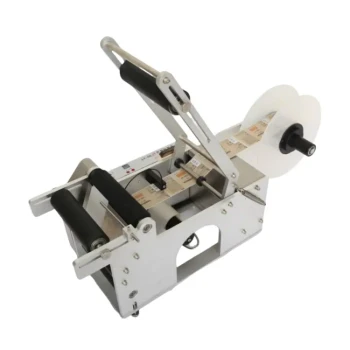

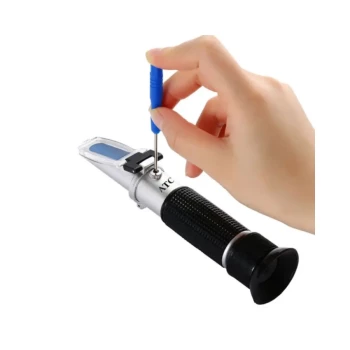


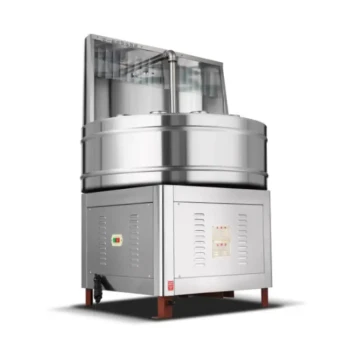


Beeswax Processing Equipment




Pollen & Propolis & Royal Jelly Processing
Hive & Frame Making Machines

Products
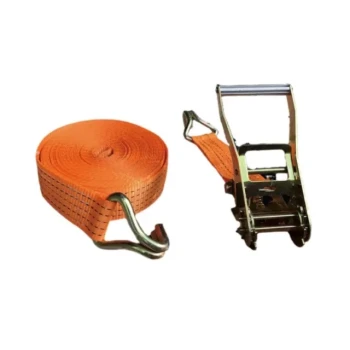
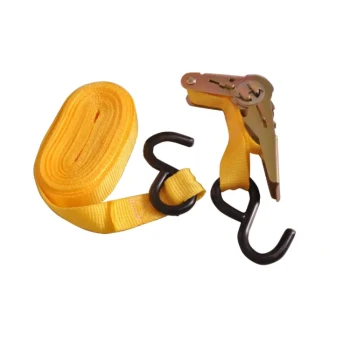
Heavy Duty Ratchet Hive Strap
Item Number: BHS-1
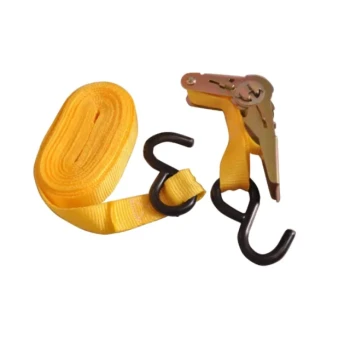
Versatile Ratchet Hive Strap with S-Hooks for Secure Fastening
Item Number: BHS-3
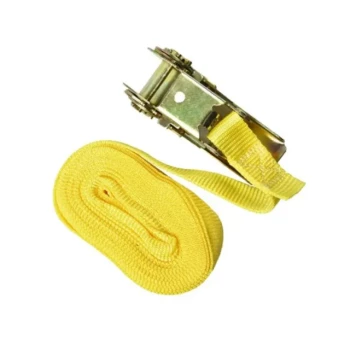
Endless Loop Ratchet Hive Strap
Item Number: BHS-4
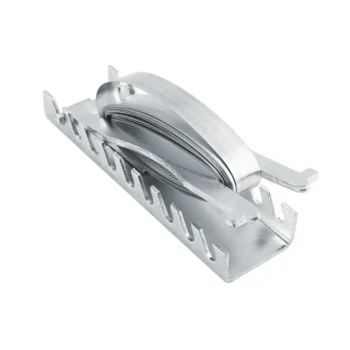
High Security Emlock Strap System
Item Number: BHS-5
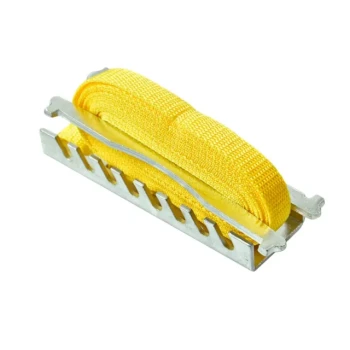
Professional Galvanized Hive Strap with Secure Locking Buckle for Beekeeping
Item Number: BHS-5A

Heavy-Duty Nylon Beehive Hive Strap with Stainless Steel Cinch Buckle
Item Number: BHS-6
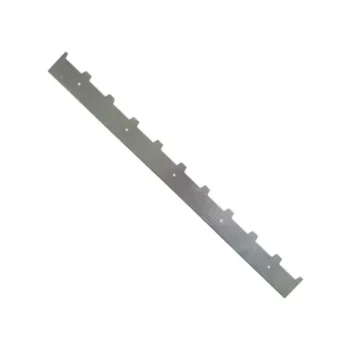
Professional Castellated Iron Frame Spacer for Multiple Hive Types
Item Number: FS-1
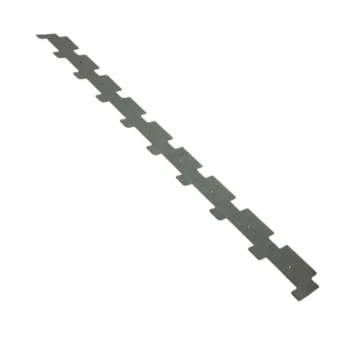
Heavy Duty Castellated Iron Frame Spacer for Honey Supers
Item Number: FS-2

Professional Galvanized Steel Frame Rest for Beehives
Item Number: MR-1
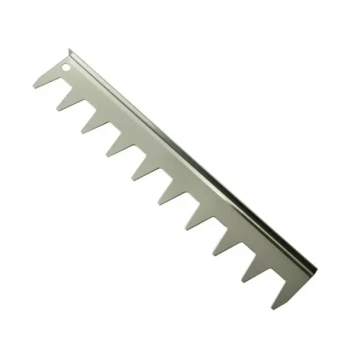
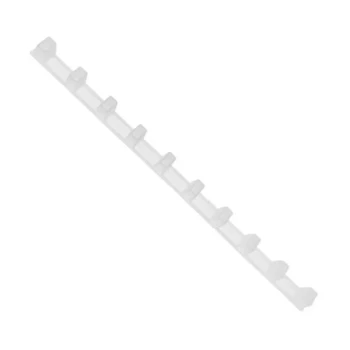
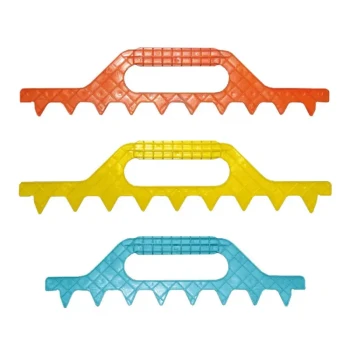
Durable Plastic Frame Spacer
Item Number: FS-3

Ergonomic Plastic Frame Spacer Tool for Rapid Hive Management Beekeeping
Item Number: FS-8
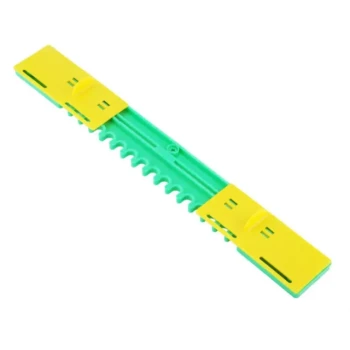
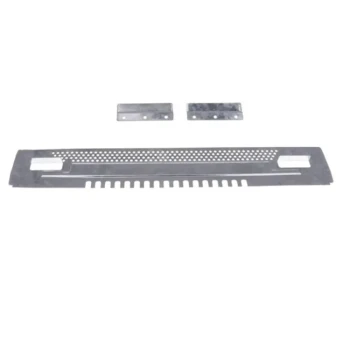
Multi-Functional Sliding Hive Entrance for Beekeeping
Item Number: E-7

Professional Reversible Beehive Hive Entrance
Item Number: E-9
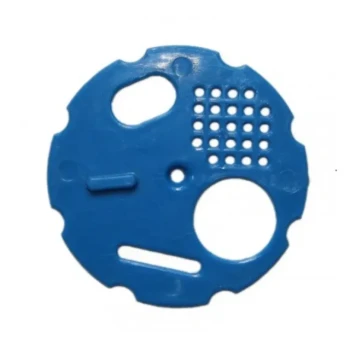
Multi-Functional Rotary Hive Entrance Disc for Beekeeping
Item Number: E-8

Durable Plastic Hive Number Set for Beekeeping
Item Number: BHN-1

Professional Large-Format Hive Number Set for Beekeeping
Item Number: BHN-3
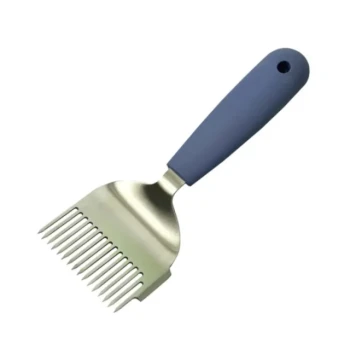
Professional Multi-Function Uncapping Fork with Ergonomic Rubber Grip
Item Number: UCF-6
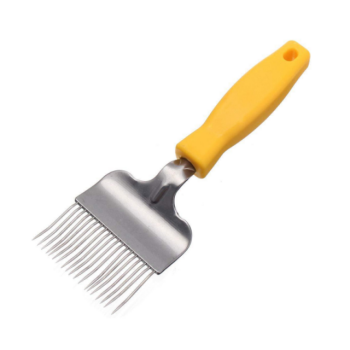
Professional Bent Tine Honey Uncapping Fork with Ergonomic Grip
Item Number: UCF-7
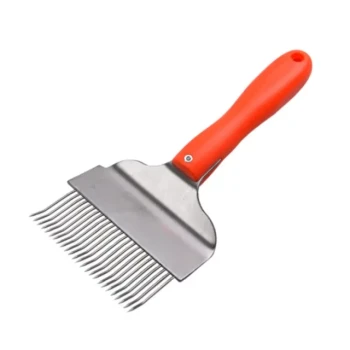
Professional Extra-Wide Uncapping Fork with Bent Tines for Beekeeping
Item Number: UCF-8
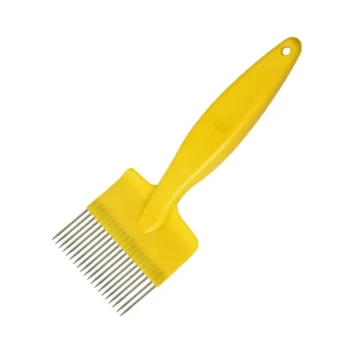
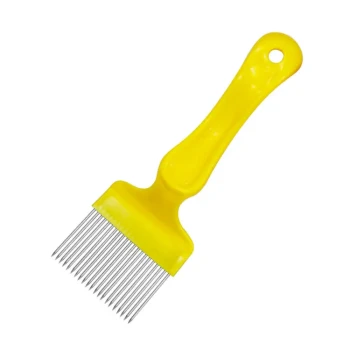
Professional Durable Plastic Handle Honey Uncapping Fork
Item Number: UCF-9
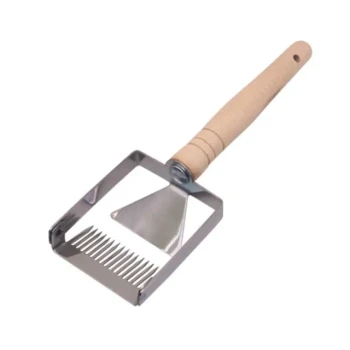
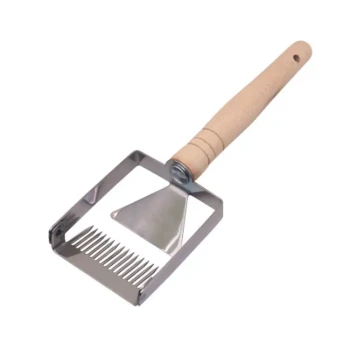
Professional Stainless Steel Uncapping Fork with Wooden Handle
Item Number: UCS-1
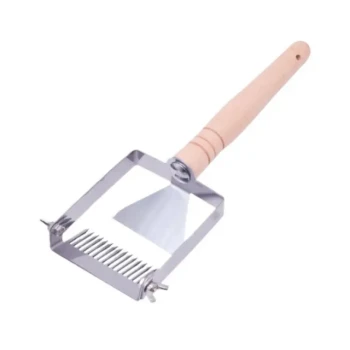
Adjustable Stainless Steel Honey Uncapping Fork with Scraper for Beekeeping
Item Number: UCS-1A
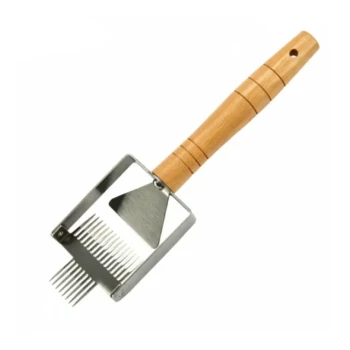
Double-Sided Pivoting Honey Uncapping Fork with Scraper for Beekeeping
Item Number: UCS-1B
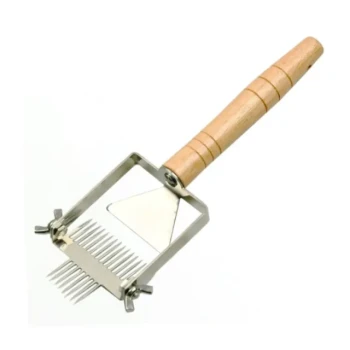
Adjustable Stainless Steel Honey Uncapping Fork with Scraper Beekeeping Tool
Item Number: UCS-1C
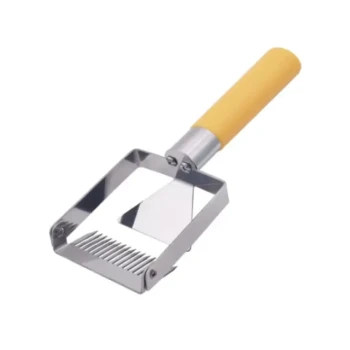
Stainless Steel Pivoting Honey Uncapping Fork with Plastic Handle
Item Number: UCS-2
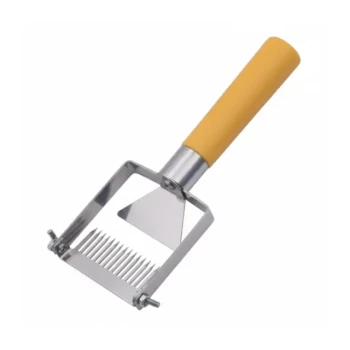
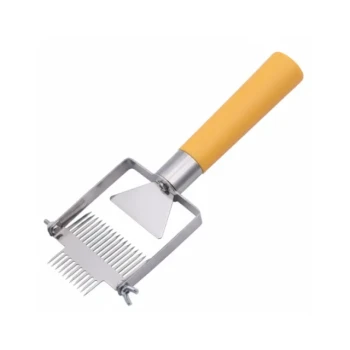
Double Sided Adjustable Honey Uncapping Fork with Plastic Handle
Item Number: UCS-2C
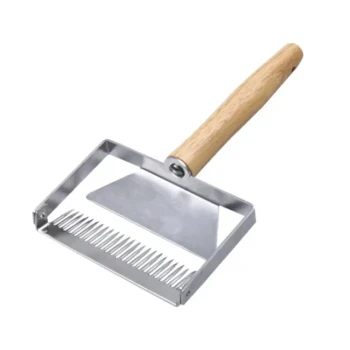
Extra Wide Stainless Steel Honey Uncapping Fork with Scraper Beekeeping Tool
Item Number: UCS-3

Wide Adjustable Stainless Steel Honey Uncapping Fork with Scraper
Item Number: UCS-3A
REQUEST A QUOTE
Our professional team will reply to you within one business day. Please feel free to contact us!
Related Articles

How Telescoping Beehive Covers Outperform in Cold Climates: A Cost-Benefit Analysis
Telescoping beehive covers enhance winter survival with superior snow/rain protection and durability, ideal for cold climates. Long-term cost-effective solution.
Order from Chaos: The Deliberate Design of the Beekeeping Frame Perch
A beekeeper's frame perch is designed for three frames not by chance, but to enforce a workflow that protects bees and improves inspection efficiency.
How Bee Escape Boards Enable Ethical Honey Harvests Without Colony Stress
Learn how bee escape boards enable ethical honey harvesting without stressing colonies. Discover installation tips, material comparisons, and troubleshooting.
Why Your Bees Won't Build on Plastic Frames—And How to Fix It for Good
Struggling with unproductive plastic frames? Discover the biological reason bees resist them and how proper beeswax coating turns them into a high-yield asset.
Hive Engineering: The Physics of Winter Survival
Winterizing a hive isn't about warmth; it's about managing moisture and energy. Learn the physics of condensation and colony survival.
The Paradox of Warmth: Why a Beehive Must Breathe to Survive Winter
An insulated hive traps moisture, a silent killer. Proper ventilation is not about temperature, but managing condensation for colony survival.
Beyond the Cold: The Physics of a Winter Beehive and Why Our Instincts Fail Us
Winterizing hives isn't about warmth; it's about managing the real threats: starvation, moisture, and wind. Learn the physics of bee survival.
The Uncapping Fork: Precision Over Pace in Honey Extraction
Discover why the uncapping fork's true value lies not in speed, but in its surgical precision for handling irregular combs and preserving hive health.
The Sensory Signal: Why Bees Reject Plastic Foundation and How to Speak Their Language
Learn why bees ignore plastic frames and the simple re-waxing technique that provides the sensory cue they need to build comb quickly.
The Physics of Survival: Managing the Unseen Threat in a Winter Beehive
Winter hive survival isn't about fighting cold, but managing moisture. Learn the physics of condensation and the balance between insulation and ventilation.
The Unseen Architecture: Why Bee Escapes Work on Physics, But Fail on Psychology
A bee escape's success hinges on understanding bee psychology—their instincts for warmth, navigation, and unbreakable brood care. Here's how to master it.
Surviving Winter: A Beehive Is Not a House
Effective hive wintering isn't about adding warmth; it's about managing moisture. The real threat is condensation, not the cold itself.
How to Secure Beehives for Transit Without Harming Your Colony
Learn professional techniques for safely transporting beehives without stressing colonies or damaging equipment. Essential guide for commercial beekeepers.
The Physics of a Winter Hive: Why Moisture, Not Cold, is the Silent Killer
Proper hive insulation isn't about heat, but managing moisture. Learn the system to prevent condensation and ensure your colony's winter survival.
The Physics of Procrastination: Mastering the Uncapping Knife Cleanup
Cleaning an uncapping knife is a lesson in thermodynamics. Act while it's hot to turn a sticky, difficult chore into a simple, effective wipe-down.
How to Safeguard Bee Colonies During Hive Feeding: Practical Methods for Beekeepers
Learn proven strategies to protect bee colonies during hive feeding, prevent robbing, and choose the right feeders for optimal beekeeping success.
Precision in the Apiary: The Unsung Virtues of the Uncapping Fork
The uncapping fork isn't just a tool; it's a strategic choice between speed and precision, essential for both hive health and maximizing honey yield.
How to Prevent Robbing in Beehives: Science-Backed Strategies for Apiaries
Science-backed strategies to prevent honeybee robbing: hive prep, pheromone management & apiary workflows for commercial beekeepers.
The Comb Honey Gamble: Why Your Foundationless Frames Fail (And How to Make Them Profitable)
Struggling with cross-comb and broken frames in foundationless hives? Discover the root cause and learn how well-designed frames unlock profitable comb honey production.
Anatomy of a Perfect Harvest: The Deliberate Design of the Uncapping Knife
Discover how every feature of a stainless steel uncapping knife, from its Z-shape to serrated blade, is engineered for control and honey purity.