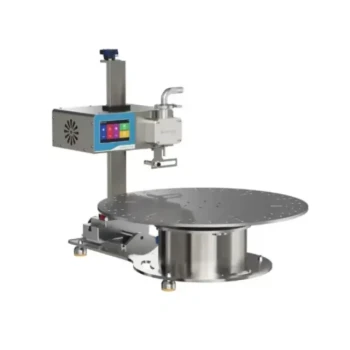
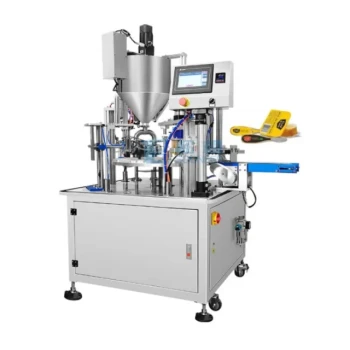
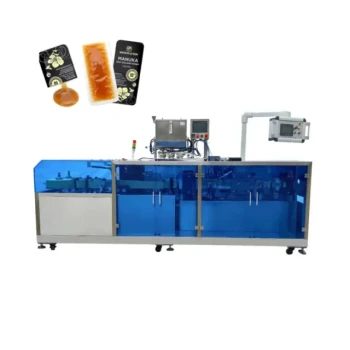
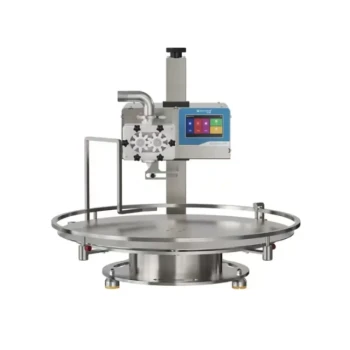
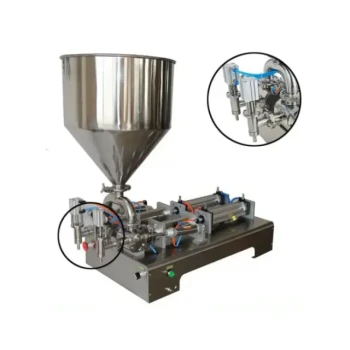
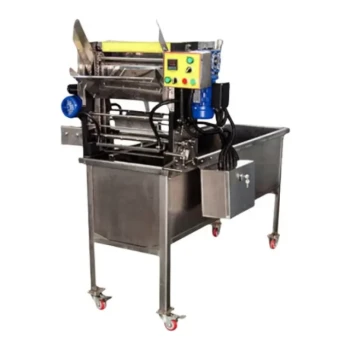
Automated honey filling and processing equipment acts as the critical bridge between raw agricultural output and a commercially viable consumer brand. By ensuring precise volumetric control and strict hygiene standards, these machines allow beekeeping operations to transition from low-margin bulk sales to high-value retail packaging. This technological shift is essential for meeting the stringent requirements of modern supermarkets and successfully competing against established or imported brands.
The primary contribution of automation is the ability to shift from a "commodity" business model to a "brand" model. By standardizing packaging quality and hygiene, automated equipment unlocks access to premium retail channels and significantly increases the profit margins of honey products.
Transforming Business Models
From Bulk Wholesale to Value-Added Retail
The most significant impact of automation is the economic shift it enables. Traditionally, many beekeepers sell raw honey in bulk, capturing only a fraction of the final market value.
Automated equipment allows producers to package their own product, capturing the market added value associated with finished goods. This facilitates a transition toward brand-oriented operations, where the producer controls the pricing and the customer relationship rather than a middleman.
Expanding Market Access
Retail channels, such as supermarkets and organic food exhibitions, enforce strict "market access" requirements regarding packaging consistency.
Manual operations often struggle to meet these standards due to variations in filling levels or sealing quality. Automated machinery ensures the product meets commercial retail standards, allowing local brands to secure shelf space that was previously inaccessible.
Enhancing Product Integrity and Trust
Precision and Cost Control
Competitiveness is often a game of margins. Automated machines utilize high-precision systems (often piston-style or weighing-based) to ensure the net content of every jar complies strictly with label specifications.
This eliminates weight deviations common in manual filling. It prevents legal issues associated with underfilling and stops the "silent profit loss" caused by accidental overfilling.
Hygiene and Shelf Stability
In the food industry, perceived hygiene equals consumer trust. Automated systems feature no-drip nozzles and automatic capping, which minimize the risk of secondary contamination at the bottle neck.
Furthermore, standardized sealing processes create a reliable barrier against oxidation and moisture. This ensures the product maintains its quality over time, allowing local producers to compete on quality with high-end imported goods.
Understanding the Trade-offs
Capital Investment vs. Production Volume
While automation increases competitiveness, it requires significant upfront capital. For very small-scale operations, the cost of industrial machinery may outweigh the efficiency gains.
Automation is a force multiplier for businesses ready to scale, but it can be a financial burden if production volume does not justify the investment.
Technical Complexity and Maintenance
Transitioning to automation introduces a new layer of operational complexity. Machines require calibration, cleaning, and maintenance to function correctly.
A reliance on machinery means that technical downtime can halt production, whereas manual filling is more flexible (though less efficient). Producers must balance the need for speed with the ability to maintain the equipment.
Making the Right Choice for Your Goal
To leverage automation for maximum competitiveness, align your equipment choice with your specific business objective:
- If your primary focus is entering supermarkets: Prioritize equipment with advanced hygiene controls and sealing capabilities to meet food safety certification requirements.
- If your primary focus is maximizing profit margins: Prioritize high-precision weighing systems to eliminate raw material overfill and reduce product loss.
By treating automated equipment as a strategic asset rather than just a tool, you build the hardware foundation necessary to elevate your product from a simple commodity to a premium brand.
Summary Table:
| Feature | Manual Processing | Automated Processing | Competitive Advantage |
|---|---|---|---|
| Filling Accuracy | High variance; risk of overfill/underfill | Precise volumetric/weight control | Minimizes product loss & legal risks |
| Hygiene Standards | Risk of manual contamination | Hermetic sealing & no-drip nozzles | Meets supermarket & export standards |
| Brand Value | Commodity-based bulk sales | Value-added retail packaging | Higher profit margins & consumer trust |
| Production Speed | Slow and labor-intensive | High-throughput efficiency | Scalability to meet large order demands |
Elevate Your Beekeeping Business with HONESTBEE
Transitioning from raw agricultural output to a premium honey brand requires the right technology. At HONESTBEE, we specialize in empowering commercial apiaries and distributors with high-performance beekeeping tools and machinery. Whether you need specialized hive-making machines to scale your infrastructure or precision honey-filling equipment to capture high-margin retail markets, our comprehensive wholesale portfolio has you covered.
Ready to dominate the honey market? From industrial machinery to honey-themed cultural merchandise, we provide the hardware and consumables necessary for your success. Contact our experts today to build your customized honey processing line!
References
- Köksal Karadaş, Avni Birinci. Identification of risk factors affecting production of beekeeping farms and development of risk management strategies: A new approach. DOI: 10.1590/rbz4720170252
This article is also based on technical information from HonestBee Knowledge Base .
Related Products
- Fully Automatic Honey Filling Packaging Machine for Processing Line
- Automatic Honey Filling and Filtering Machine for Beekeeping Bottle Filling
- Precision Durable Efficient HONESTBEE Rotary Honey Filling Machine
- Precision Automated Packaging Turntable Honey Spoon Filling Sealing Packing Machine
- Semi Automatic Small Honey Bottle Filling Machine Honey Filler
People Also Ask
- Why are fully automatic honey filling and packaging lines essential? Boost Your Honey's Market Value and Quality
- What is a fully-automatic honey filler? Streamline Your Production with High-Precision Automation
- How do automated honey filling and packaging machines affect profitability? Boost Margins with HONESTBEE Technology
- How do automated honey filling and packaging machines contribute to the market value of honey products? Maximize Your ROI
- How do industrial-grade automated honey filling and packaging machines mitigate the risk of physical contamination?