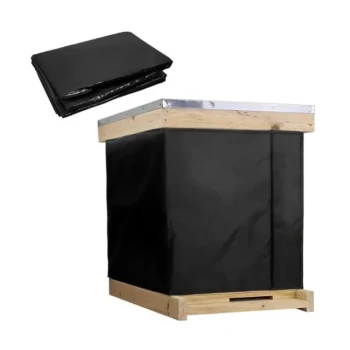
High-performance insulation and disinfection materials function as a dual defense system against the primary threats of winter: energy depletion and disease outbreaks. Insulation creates a critical thermal barrier that minimizes heat loss and drastically reduces the colony's food consumption, while disinfection materials actively break the chain of pathogen transmission in the enclosed hive environment.
The success of overwintering depends on minimizing metabolic stress while maintaining a sterile environment. By combining thermal efficiency to conserve resources and targeted disinfection to neutralize pathogens, you significantly reduce mortality rates and guarantee a stronger colony recovery in the spring.
The Mechanics of Thermal Regulation
Creating an Effective Thermal Barrier
High-performance insulation acts as a shield against external temperature fluctuations. This barrier is essential for retaining the heat generated by the winter cluster within the hive.
Reducing Metabolic Demand
When heat loss is minimized, the colony requires less energy to maintain its core temperature. This directly lowers the consumption of stored food reserves, reducing the risk of starvation during prolonged cold spells.
Optimizing Hive Construction
Thermal efficiency is further enhanced by proper hive construction, such as precise frame arrangements and controlled bee spaces. These structural elements work alongside insulation materials to improve the colony's overall resistance to cold.
Disease Control in Enclosed Environments
Breaking Transmission Chains
Winter hives are closed systems with high population density, making them ideal breeding grounds for disease. Specialized disinfection materials intervene by eliminating pathogens before they can spread from bee to bee.
Preventing Pathogen Buildup
Continuous use of disinfection materials prevents the accumulation of bacteria and viruses on hive surfaces. This proactive approach is vital because a colony under thermal stress is naturally more susceptible to infection.
Understanding the Trade-offs
The Moisture Management Paradox
While high insulation is beneficial, it carries the risk of trapping moisture if ventilation is ignored. As noted in hive construction principles, you must balance thermal retention with adequate air circulation to prevent dangerous condensation.
Dependency on Material Quality
Relying on inferior insulation can lead to inconsistent internal temperatures, causing the cluster to expand and contract excessively. Similarly, weak disinfection agents may fail to fully neutralize pathogens, offering a false sense of security while disease spreads.
Making the Right Choice for Your Goal
To maximize your colony's survival odds, align your material choices with your specific environmental challenges:
- If your primary focus is Resource Conservation: Prioritize high-R-value insulation materials and precise bee spacing to minimize the caloric burn required for heat generation.
- If your primary focus is Disease Mitigation: Implement a rigorous disinfection protocol using specialized materials before winterizing to sanitize the enclosed environment.
- If your primary focus is Spring Readiness: Utilize a balanced approach of thermal protection and moisture control to ensure the population remains healthy and ready for rapid expansion.
The synergy between preserving energy and maintaining hygiene is the defining factor in successful overwintering.
Summary Table:
| Feature | High-Performance Insulation | Targeted Disinfection Materials |
|---|---|---|
| Core Function | Minimizes heat loss and retains cluster warmth | Neutralizes pathogens in enclosed hive spaces |
| Primary Benefit | Reduces honey consumption & metabolic stress | Prevents disease transmission & bacteria buildup |
| Success Factor | High R-value materials & proper hive sealing | Proactive sanitization before winter closure |
| Key Outcome | Prevents starvation during cold spells | Ensures a healthy, pathogen-free spring recovery |
Maximize Your Colony’s Survival with HONESTBEE
Ensure your apiary thrives through the harshest winters with professional-grade solutions. HONESTBEE specializes in supporting commercial apiaries and distributors with a comprehensive wholesale range of beekeeping tools, specialized machinery, and essential consumables.
From advanced hive-making equipment that ensures perfect thermal construction to essential disinfection supplies that protect your stock, we provide the hardware and expertise needed to scale your operations.
Ready to secure your spring harvest? Contact us today to discuss wholesale solutions and equipment and see how our portfolio can drive your success.
References
- Vladimir Saranchin, Bogdan Krivosheya. IMPROVING THE ECONOMIC AND PHYSICO-BIOLOGICAL EFFICIENCY OF BEE PRODUCTION. DOI: 10.55186/2413046x_2024_9_7_313
This article is also based on technical information from HonestBee Knowledge Base .
Related Products
- Professional Insulated Plastic Bee Hives
- Professional Insulated Winter Hive Wrap for Beekeeping
- Inner Beehive Cover for Beekeeping Bee Hive Inner Cover
- Australian Pine Wood Langstroth Screen Bottom Board for Wholesale
- High-Efficiency Diamond Maze Bee Escape for Clearing Supers
People Also Ask
- What are the advantages of plastic bee hives? Boost Efficiency & Durability for Your Apiary
- Are plastic bee hives any good? Unlock Durability & Efficiency for Your Apiary
- How do plastic bee hives compare to wooden hives in handling? Reduce Strain & Boost Efficiency
- Are plastic bee hives good? Durable, Low-Maintenance Hives for Modern Apiaries
- What are the disadvantages of plastic beehives? Key Operational and Environmental Risks Exposed