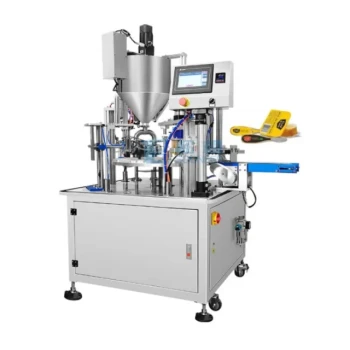
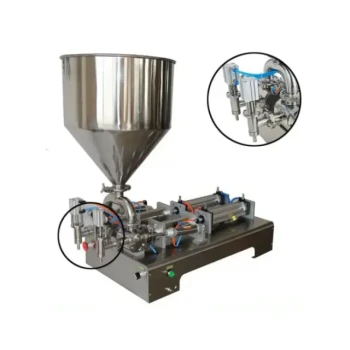
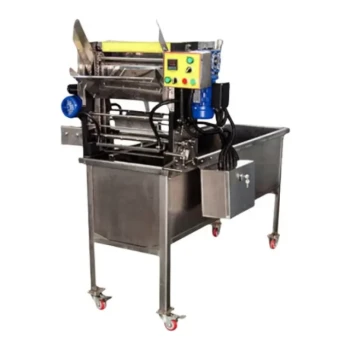
Industrial-grade automatic honey-filling machines elevate processing quality by integrating high-precision weighing sensors and vacuum suction technology to achieve sterile, accurate packaging. By automating the flow control via precision pumping systems, these units eliminate the variability of manual handling, directly stabilizing critical chemical indicators such as Hydroxymethylfurfural (HMF) levels in the final product.
Core Insight While speed is a visible benefit, the true value of industrial filling machines lies in chemical stabilization and standardization. By strictly controlling environmental exposure and physical handling, these systems preserve the honey's bioactive compounds and ensure uniformity across large-scale production runs.
Preserving Chemical Integrity
The primary contribution of these machines to quality is the preservation of honey's sensitive chemical structure during the transition from storage to jar.
Stabilizing HMF Levels
HMF (Hydroxymethylfurfural) is a key indicator of honey freshness and quality. The primary reference notes that precision pumping systems control the flow rate to prevent overheating or agitation. This ensures that HMF levels remain stable and low, meeting strict quality standards.
Preventing Oxidation in Premium Varietals
Specialized machines are designed to minimize the honey's exposure to ambient air during dispensing. This is critical for premium products, such as oak honey, which contain sensitive phenolic compounds. By limiting oxygen contact, the machine preserves high antioxidant levels and natural antimicrobial activity.
Vacuum Suction Technology
Industrial units utilize vacuum suction to manage the fill without introducing air bubbles or contaminants. This technology allows for a sterile packaging environment. It directly protects the product from the degradation often caused by atmospheric exposure.
Enhancing Hygiene and Standardization
Beyond chemistry, the physical quality and safety of the honey are secured through rigorous mechanical consistency.
Eliminating Secondary Contamination
Manual packaging introduces a high risk of human contact and airborne contaminants. Automated systems create a closed-loop process that drastically reduces this risk. This results in a sterile product that complies with rigorous food safety and hygiene standards.
High-Precision Weighing Sensors
Consistency is a hallmark of quality in commercial markets. These machines use advanced sensors to achieve exact volumetric dispensing. This ensures every unit meets the labeled weight, fostering consumer trust and regulatory compliance.
Consistent Quality Despite Yield Fluctuations
Climate variability can lead to fluctuating honey yields, which often pressures manual operations to rush, leading to errors. Automated processing maintains a standardized output regardless of input volume. This strengthens the economic resilience of the apiary by guaranteeing a market-ready product even during peak flow periods.
Understanding the Operational Trade-offs
While automation solves quality issues, it introduces new operational requirements that must be managed to prevent quality regression.
The Necessity of Calibration
The quality of the output is entirely dependent on the calibration of the weighing sensors and pumps. If these components drift, the entire batch may fail compliance standards. Regular technical maintenance replaces manual labor as the primary quality control activity.
Infrastructure Complexity
Implementing industrial-grade machinery requires a shift in infrastructure to support vacuum and pneumatic systems. Beekeepers must invest in the surrounding ecosystem to support the machine. Without proper setup, the benefits of "sterile packaging" can be negated by a poor processing environment.
Making the Right Choice for Your Goal
To maximize the value of an automatic filling machine, align the technology with your specific production targets.
- If your primary focus is Medical-Grade or Premium Honey: Prioritize machines with vacuum suction and minimal air exposure to preserve phenolic compounds and antimicrobial activity.
- If your primary focus is Mass Market Supply: Focus on systems with high-speed precision weighing sensors to ensure strict compliance with volume regulations and standardization.
- If your primary focus is Research and Breeding: Utilize automation to free up labor, allowing your team to focus on population genetics and bee health monitoring rather than packaging.
By removing human variability from the equation, you transform honey packaging from a bottleneck into a precision-engineered process that guarantees chemical stability and hygiene.
Summary Table:
| Quality Metric | Manual Filling | Industrial Automatic Filling | Impact on Product |
|---|---|---|---|
| HMF Levels | High risk of increase due to heat/friction | Stabilized through precision pumping | Ensures freshness & regulatory compliance |
| Oxygen Exposure | High (leads to oxidation) | Minimized via vacuum suction | Preserves antioxidants & bioactive compounds |
| Weight Accuracy | Variable (human error) | High-precision sensors | Guaranteed consistency & consumer trust |
| Hygiene | Secondary contamination risk | Closed-loop sterile process | Complies with global food safety standards |
Elevate Your Honey Production with HONESTBEE
At HONESTBEE, we empower commercial apiaries and distributors with the precision tools needed to dominate the global market. Our industrial-grade automatic honey-filling machines do more than just speed up production; they preserve the chemical integrity and bioactive potency of your harvest.
From specialized hive-making machinery to high-accuracy honey-packaging systems, we provide a comprehensive wholesale portfolio of beekeeping hardware and consumables. Partner with us to transform your operations with equipment designed for durability and standardized quality.
Ready to scale your apiary? Contact us today to explore our full spectrum of honey-processing solutions.
References
- Danilo Bertoni, Maria Luisa Paracchini. Assessing the environmental, social and economic sustainability of beekeeping activities. DOI: 10.1080/00218839.2025.2531315
This article is also based on technical information from HonestBee Knowledge Base .
Related Products
- Fully Automatic Honey Filling Packaging Machine for Processing Line
- Precision Durable Efficient HONESTBEE Rotary Honey Filling Machine
- Automatic Honey Filling and Filtering Machine for Beekeeping Bottle Filling
- Precision Automated Packaging Turntable Honey Spoon Filling Sealing Packing Machine
- Automatic Single-Dose Snap & Squeeze Honey Sachets Packing Machine
People Also Ask
- Why are fully automatic honey filling and packaging lines essential? Boost Your Honey's Market Value and Quality
- What is a fully-automatic honey filler? Streamline Your Production with High-Precision Automation
- How do automated honey filling and packaging machines affect profitability? Boost Margins with HONESTBEE Technology
- How do automated honey filling and packaging machines contribute to the market value of honey products? Maximize Your ROI
- How do industrial-grade automated honey filling and packaging machines mitigate the risk of physical contamination?