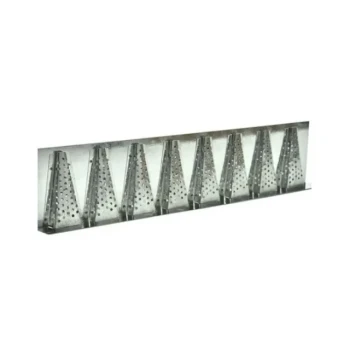
Optical sensors function as high-precision traffic monitors located directly at the beehive entrance. By differentiating between inbound and outbound flight movements, they generate a real-time dataset of colony activity that allows beekeepers to instantly identify deviations caused by external stressors without opening the hive.
By monitoring the "traffic" at the hive's threshold, optical sensors provide an immediate health proxy for the colony. This technology shifts beekeeping from reactive inspections to proactive threat management, specifically regarding environmental hazards and predators.
The Mechanics of Entrance Monitoring
Distinguishing Directional Flight
The core capability of these sensors is the ability to separate bees leaving the hive from those returning.
By counting these specific movements, the system establishes a baseline for what "normal" traffic looks like at different times of the day.
Non-Intrusive Observation
Traditional hive inspections require opening the box, which disrupts the colony’s temperature and stress levels.
Optical sensors operate passively at the entrance, gathering critical data continuously without physically disturbing the bees or interrupting their workflow.
detecting Specific Anomalies
Identifying Predator Attacks
Sudden, erratic changes in flight activity can indicate the presence of predators, such as hornets.
When a colony is under siege, the sensors capture the disruption in regular traffic flow, alerting the beekeeper to the attack before significant population loss occurs.
Recognizing Pesticide Poisoning
Exposure to pesticides often results in disorientation or an inability for foragers to return to the hive.
Optical sensors detect this as a sharp decline in inbound traffic relative to outbound flights, signaling a potential poisoning event in the foraging radius.
Spotting Foraging Irregularities
Healthy colonies exhibit predictable foraging patterns based on available light and weather.
Deviations from these patterns—such as a lack of activity during peak hours—serve as an early warning system for general colony malaise or resource scarcity.
Understanding the Limitations
Scope of Detection
It is vital to recognize that optical sensors primarily detect external behaviors and reactions to outside threats.
While they excel at spotting flight-related issues, they may not immediately detect internal biological states—such as the loss of a queen or early swarm preparations—which are often better identified through audio monitoring of internal buzzing frequencies.
Reliance on Proxy Data
Optical sensors measure activity, not specific diseases.
A drop in flight activity is a symptom, not a diagnosis; it requires the beekeeper to investigate further to determine the root cause.
Making the Right Choice for Your Goal
To effectively utilize optical monitoring, align the data with your specific management objectives:
- If your primary focus is predator defense: Configure alerts to trigger during sudden, high-intensity disruptions in flight traffic, which often signify a hornet attack.
- If your primary focus is environmental safety: Monitor the ratio of outbound to inbound bees closely; a deficit in returning bees is a strong indicator of pesticide exposure or field mortality.
Optical sensors provide the necessary eyes on the hive entrance, turning raw movement data into the actionable intelligence required to protect your apiary.
Summary Table:
| Feature | Detection Capability | Primary Benefit |
|---|---|---|
| Directional Monitoring | Tracks inbound vs. outbound bees | Identifies pesticide-induced mortality |
| Real-time Traffic Flow | Detects erratic movement patterns | Immediate alerts for hornet or predator attacks |
| Passive Observation | Non-intrusive data collection | Reduces colony stress by minimizing manual checks |
| Pattern Analysis | Monitors foraging consistency | Early warning for resource scarcity or general malaise |
Maximize Your Apiary Productivity with HONESTBEE
At HONESTBEE, we empower commercial apiaries and global distributors with the cutting-edge tools needed to thrive in modern beekeeping. Whether you are scaling up with our industrial hive-making and honey-filling machinery or optimizing colony health with professional-grade equipment, we provide the full spectrum of solutions.
From essential consumables to high-tech beekeeping hardware and honey-themed merchandise, our wholesale offerings are designed to enhance your operational efficiency and market reach. Ready to upgrade your beekeeping business?
Contact Our Experts Today to discuss how our comprehensive equipment range can serve your professional needs.
References
- Rüdiger Machhamer, Guido Dartmann. Visual Programmed IoT Beehive Monitoring for Decision Aid by Machine Learning based Anomaly Detection. DOI: 10.1109/meco49872.2020.9134323
This article is also based on technical information from HonestBee Knowledge Base .
Related Products
- Steel Round Disc Entrance Reducer for Flexzion Bee Hive Nuc Box Gate
- Multi-Functional Sliding Hive Entrance for Beekeeping
- Multi-Functional Rotary Hive Entrance Disc for Beekeeping
- Beehive Entrance Discs Plastic Bee Entrance Disc for Bee Hives
- Professional Hive Front Entrance Bee Feeder
People Also Ask
- What is the purpose of an entrance reducer for a beehive? Strengthen Colony Defense and Prevent Robbery
- Why are entrance reducers used to counter hornet infestations? Protect Your Hive with Strategic Choke Points
- Why is it critical to maintain a smaller entrance for a newly established bee hive? Boost Colony Growth and Security
- Under what conditions should a beekeeper adjust the size of a beehive entrance? Seasonal & Defense Management Tips
- What is the function of an entrance reducer on a beehive? Strengthen Colony Defense and Climate Control