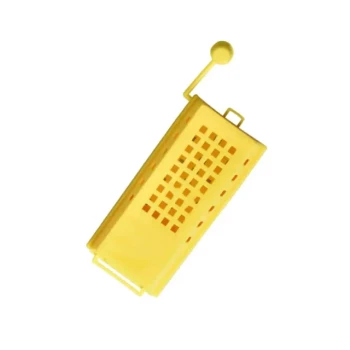
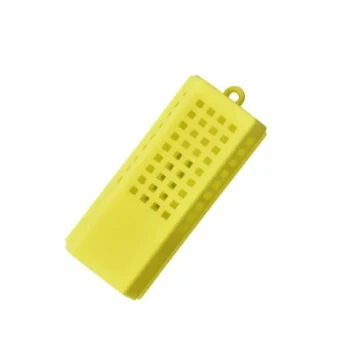
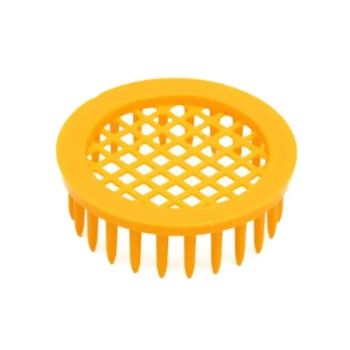
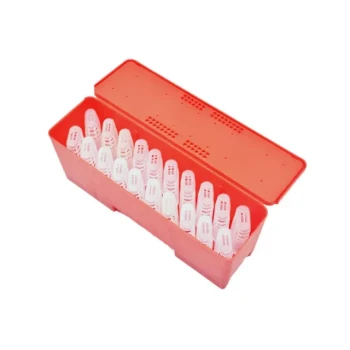
A sugar-candy plug operates as a biological timer that leverages the instincts of the colony to ensure a gradual introduction. Rather than releasing a new queen immediately, which often leads to rejection, the plug blocks the exit, requiring worker bees to physically chew through the candy barrier. This consumption process creates a mandatory delay, allowing the hive to acclimate to the new queen before direct contact occurs.
The sugar-candy plug forces a slow, labor-intensive release, allowing the queen's pheromones to permeate the hive and replace worker aggression with acceptance before physical interaction takes place.
The Mechanics of Controlled Release
The Danger of Immediate Release
The primary threat to a new queen is the existing colony's defense mechanism. If a queen is introduced without a buffer period, she is viewed as a foreign invader.
This often leads to workers attacking or "balling" the queen, a fatal reaction where bees surround and overheat her. The cage prevents this immediate physical contact.
Pheromone Integration
The core function of the candy plug is to buy time for chemical signaling. While the queen is trapped behind the candy, her unique pheromones disperse throughout the hive.
Over the course of several days, the colony's scent profile adjusts to include the new queen. By the time the barrier is removed, she "smells" like she belongs to the hive.
Worker Engagement
The release mechanism relies on the workers, not the beekeeper. Attracted by the sugar, the worker bees must actively eat through the plug to reach the queen.
This interaction changes the dynamic from defense to foraging. As they work through the candy, their aggression levels typically drop as familiarity with the queen increases.
Operational Timeline and Protocols
The Standard Release Window
The density and length of the sugar plug are designed to delay release for a specific duration. Typically, it takes the colony 3 to 5 days to chew through the barrier completely.
This duration is generally sufficient for the hive to stop attacking the cage and accept the queen's presence.
Inspecting Progress
Beekeepers should verify the success of the release 3 to 5 days after installation. By this time, the cage should be empty, and the queen should be laying eggs.
Premature inspection or disturbance can re-trigger aggression, so patience during this window is critical.
Common Pitfalls and Manual Intervention
When the Mechanism Fails
While the sugar plug is reliable, it is not foolproof. Occasionally, the candy may be too hard, or the colony may not consume it quickly enough.
Leaving a queen caged for too long can affect her health and egg-laying potential.
Manual Override Procedures
If the queen has not been released by the fifth day, mechanical intervention is required.
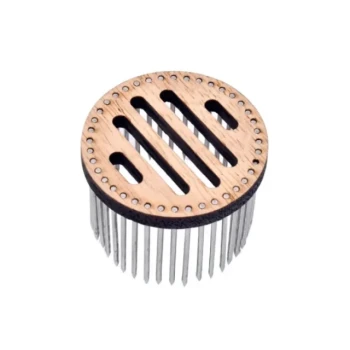
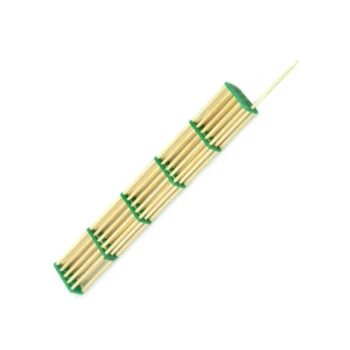
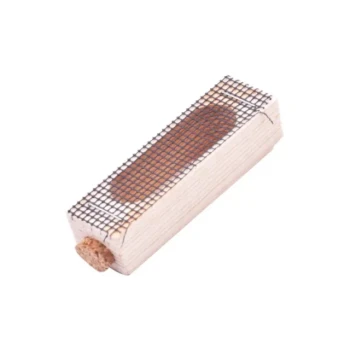
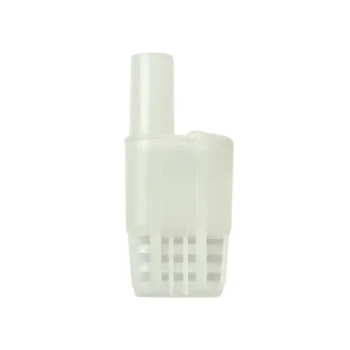
The beekeeper must manually release her by removing the barrier or using a hive tool to pull back the plastic tab. This must be done carefully, holding the cage close to the frames to allow her to walk out naturally.
Ensuring Successful Introduction
The sugar plug balances the need for protection with the necessity of integration. To use this method effectively, adhere to the following guidelines:
- If your primary focus is maximum acceptance: trust the candy plug to delay release long enough for pheromones to quell worker aggression.
- If your primary focus is queen viability: strictly adhere to the 5-day inspection limit and manually release the queen if the colony has failed to chew through the plug.
The sugar plug is a simple yet vital tool that converts a potentially volatile introduction into a controlled, biological integration.
Summary Table:
| Feature | Description | Benefit |
|---|---|---|
| Mechanism | Workers chew through sugar barrier | Creates a mandatory 3-5 day delay |
| Chemical Signaling | Pheromone dispersal while caged | Reduces aggression & ensures acceptance |
| Worker Behavior | Shifts from defense to foraging | Facilitates natural, low-stress integration |
| Safety Buffer | Physical barrier protection | Prevents workers from "balling" the queen |
Elevate Your Apiary Success with HONESTBEE
At HONESTBEE, we understand that successful queen introduction is the heartbeat of a productive hive. As a premier partner for commercial apiaries and distributors, we provide more than just tools—we provide peace of mind. Our comprehensive wholesale catalog includes professional-grade queen cages, hive-making machinery, honey-filling equipment, and a full spectrum of essential consumables tailored for large-scale operations.
Whether you are scaling your honey production or stocking the highest quality beekeeping hardware for retail, our team is ready to support your growth with reliable global shipping and industry expertise.
Ready to optimize your beekeeping operations?
Contact us today to explore our wholesale solutions!
References
- Gloria DeGrandi‐Hoffman, Judith Hooper. The influence of season and volatile compounds on the acceptance of introduced European honey bee (<i>Apis mellifera</i>) Queens into European and Africanized colonies. DOI: 10.1051/apido:2007003
This article is also based on technical information from HonestBee Knowledge Base .
Related Products
- Professional Queen Cage with Sliding Gate and Feeder Plug
- Plastic Long Marker Device for Catching and Marking Bees Queen Bee Marking Tube and Cage
- Professional Queen Bee Introduction and Transport Cage
- Plastic Queen Marking Tube Cage with Plunger for Beekeeping
- Professional Multi-Compartment Queen Cage with Sliding Lid
People Also Ask
- Why are specialized queen bee cages used for the banking of mated queen bees? Maximize Commercial Apiary Storage Efficiency
- What is the mechanism of action for using temporary queen bee cages? Master Successful Queen Introduction
- How is a queen bee released from a queen cage? Ensure Safe Colony Integration & Hive Success
- What is the step-by-step process for installing a queen bee's cage onto a frame? Ensure Hive Acceptance Safely
- What technical precaution must be taken regarding the mesh or grill side of a queen bee cage? Ensure Queen Survival