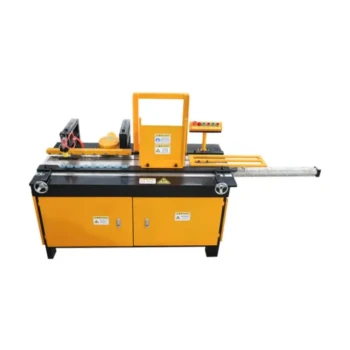
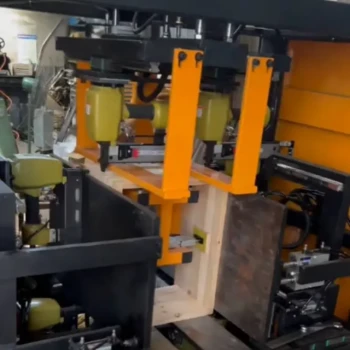
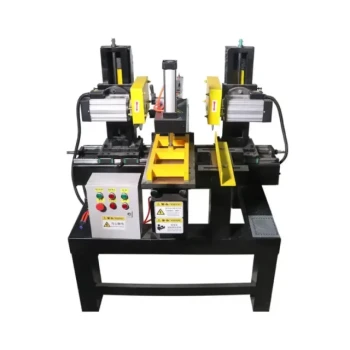
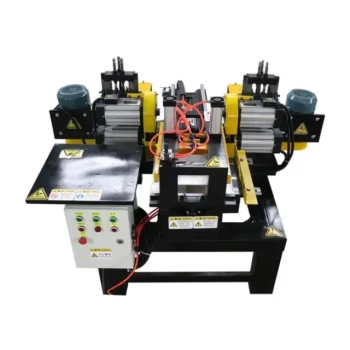
Investing in hive-making machinery transforms beekeeping operations from simple agricultural producers into self-sufficient industrial entities. By bringing manufacturing in-house, operators can produce customized hives to local specifications, drastically reduce logistics costs, and ensure rapid asset replacement during critical recovery phases following pest infestations or environmental collapses.
The strategic value lies in self-sufficiency: owning production capacity acts as an operational insurance policy, allowing apiaries to rebuild assets immediately after losses while decoupling their growth from external supply chain volatility.
Resilience Through Self-Sufficiency
Ensuring Rapid Recovery
The primary strategic advantage of owning hive-making machinery is the ability to bounce back from disaster. When colony losses occur due to pests or environmental collapse, the speed of recovery defines the operation's survival.
In-house machinery provides the capacity to rapidly manufacture new hives on demand. This ensures that the biological asset (the bees) can be rehoused and expanded immediately, without waiting for external shipments.
Reducing Logistics and Procurement Costs
Purchasing pre-made hives incurs significant overhead, particularly in shipping, as you are essentially paying to transport air inside empty wooden boxes.
Manufacturing on-site eliminates these inefficiencies. It shifts the cost structure from variable procurement expenses to fixed asset investment, significantly lowering the long-term cost per unit.
Customization for Local Specifications
Generic commercial hives may not ideally suit every microclimate or management style.
In-house machinery allows operations to manufacture hives tailored to specific local requirements. This ensures the equipment is optimized for the specific challenges of the local environment rather than relying on a one-size-fits-all market standard.
Standardization and Scalability
Achieving True Interchangeability
For large-scale operations, the ability to swap parts between thousands of hives without friction is non-negotiable.
Industrial hive-making machines utilize high-precision mechanical processing to ensure every component is identical. This standardization facilitates easier colony splitting and maintenance, as frames and bodies from one hive fit perfectly into another.
Enhancing Durability in Extreme Environments
Manual production often results in slight variances that can lead to structural weaknesses over time.
Specialized machinery produces components with tight structural integrity and precise tolerances. These tighter joints and standardized fits make the hives significantly more durable against extreme outdoor elements, such as the high humidity found in mountain regions.
Streamlining Downstream Operations
The benefits of precision manufacturing extend beyond the hive itself.
Standardized hives are a prerequisite for advanced industrialization, such as automated honey extraction lines. Uniform dimensions ensure that hives move smoothly through processing equipment, increasing overall supply chain productivity.
Understanding the Trade-offs
High Initial Capital Expenditure
Transitioning to in-house manufacturing requires a significant upfront investment in machinery.
This creates a barrier to entry and increases the financial risk if the operation does not have the scale to amortize the cost of the equipment over thousands of units.
Shifting Operational Focus
Investing in this machinery changes the nature of the business.
The operation is no longer just farming; it is now also managing a manufacturing line. This requires new skill sets regarding equipment maintenance and raw material sourcing, potentially distracting from core biological management if not staffed correctly.
Making the Right Choice for Your Goal
To determine if this investment aligns with your operational strategy, consider your primary constraints:
- If your primary focus is resilience and risk management: In-house manufacturing is essential to ensure you can rapidly replace assets after environmental or pest-related collapses without relying on external vendors.
- If your primary focus is operational efficiency: The investment is justified by the creation of standardized, interchangeable parts that streamline migration and automated extraction processes.
- If your primary focus is cost control: The machinery pays for itself by eliminating the logistics costs of shipping pre-assembled hives and reducing the unit cost of long-term expansion.
True industrial scalability is achieved when the hardware infrastructure is as reliable and reproducible as the biological management.
Summary Table:
| Strategic Benefit | Operational Impact | Long-Term Value |
|---|---|---|
| Self-Sufficiency | Rapid replacement of hives after pests/disaster | Decouples growth from supply chain volatility |
| Cost Reduction | Eliminates shipping costs of empty boxes | Lowers unit cost through in-house production |
| Standardization | High-precision, interchangeable components | Facilitates automated honey extraction lines |
| Customization | Tailored dimensions for local climates | Improved durability and colony management |
Scale Your Beekeeping Empire with HONESTBEE
Transition from a traditional apiary to a resilient industrial entity with HONESTBEE. As a premier partner for commercial apiaries and distributors, we provide the full spectrum of industrial solutions—from high-precision hive-making and honey-filling machines to a complete range of beekeeping tools and hardware.
Why partner with HONESTBEE?
- Total Sovereignty: Control your production cycle and eliminate supply chain delays.
- Global Wholesale Reach: Access a comprehensive portfolio of essential industry consumables and equipment.
- Expert Support: We help you integrate manufacturing capacity into your biological management for maximum efficiency.
Ready to enhance your operation's resilience and profitability? Contact us today to explore our wholesale machinery solutions.
References
- MAZOUZI Hajar. L'avenir de l'apiculture au Maroc dans un contexte de crises successives : cas des coopératives féminines apicole de la province de Khouribga. DOI: 10.5281/zenodo.17813058
This article is also based on technical information from HonestBee Knowledge Base .
Related Products
- High-Efficiency Pneumatic Bee Hive Making Machine for Rapid Box Assembly
- Mini Desktop Bee Hive Frame Forming Making Machine
- Beehive Handle and Frame Rest Cutting Machine: Your Specialized Hive Machine
- Automatic High-Speed Bee Hive Box Stapling Machine
- Beehive Machine Double End Saw for Precision Hive Component Manufacturing
People Also Ask
- How does the introduction of professional beehive-making machinery benefit sustainable beekeeping? Scale Your Apiary
- Why is specialized beehive-making machinery critical for low-defense breeding? Enhance Selection with Precision Tools
- How does the introduction of specialized beehive making machinery contribute to increasing the scale of regional beekeeping industries?
- What is the importance of specialized beehive making machinery in a circular bio-economy? Build Local Sustainability
- Why is specialized beehive-making machinery essential? Scale Your Apiary with Precision Industrial Standards