Modern honey processing equipment enhances product value by systematically removing physical contaminants like wax debris and larval remains to create a standardized, commercially viable product. This mechanical refinement improves sensory qualities such as clarity and texture, extends shelf life by stabilizing the product, and ensures compliance with strict food safety standards required for high-end retail distribution.
The transformation from raw to retail-ready requires precision. While raw honey possesses natural merit, advanced filtration turns it into a consistent, hygienic commodity that meets modern consumer expectations and commands a higher market premium.
Elevating Sensory Quality and Purity
Removal of Physical Impurities
Raw honey often contains undesirable organic matter, including beeswax fragments, larval remains, and forest debris.
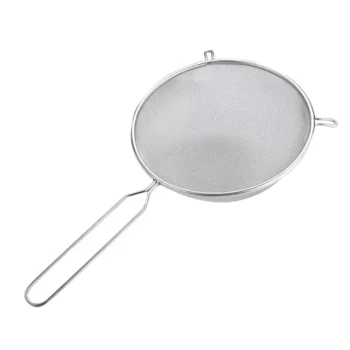
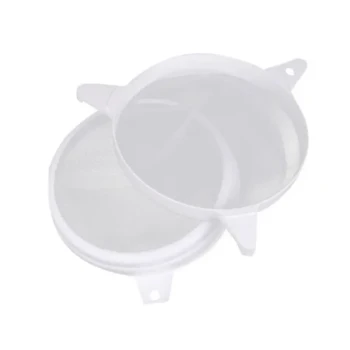
Modern processing equipment, such as centrifuges and precision filters, intercepts and eliminates these micro-impurities. This purification is the first step in converting a rough agricultural harvest into a food-grade product.
Enhancing Visual Appeal
Consumers associate high-quality honey with a specific visual aesthetic: clear, transparent, and uniform in color.
By employing multi-stage mechanical filtration, the equipment ensures the final product achieves superior optical clarity. This transparency is a critical driver of consumer purchase decisions in retail environments.
Improving Texture and Consistency
Unprocessed honey can vary significantly in texture and may contain coarse particles.
Standardized filtration ensures a smooth, consistent mouthfeel by removing solid irregularities. This consistency is vital for brand loyalty, as consumers expect the same sensory experience with every purchase.
Ensuring Commercial Viability and Compliance
Meeting Food Safety Standards
To enter formal retail channels like supermarkets and pharmacies, honey must meet rigorous hygiene protocols.
Unlike traditional manual squeezing methods, professional machinery significantly improves hygiene levels. This automated compliance is non-negotiable for entering regulated markets.
Extending Shelf Life
Biological stability is essential for successful commercial distribution.
Processing equipment helps delay crystallization and stabilize the honey against fermentation. By removing nuclei (like wax bits) that trigger rapid crystallization, the equipment ensures the product remains shelf-stable for longer periods.
Standardization for Premium Markets
High-end retail channels require a product that is not only safe but standardized.
Industrial-grade equipment transforms variable raw batches into a standardized commercial product. This reliability allows producers to scale operations and justify higher retail pricing compared to inconsistent raw alternatives.
Understanding the Trade-offs
Balancing Purity with Nutrition
The goal of filtration is to remove impurities without damaging nutritional components.
A common pitfall in processing is over-filtration or overheating, which can degrade the honey's beneficial enzymes. The value of modern equipment lies in its ability to physically screen out debris while preserving the honey's essential chemical profile.
Precision vs. Over-Processing
Effective processing enhances clarity but must stop short of ultra-filtration if the goal is to retain pollen and natural character.
The equipment serves to refine the product for the market, not to strip it of its identity. Correctly calibrated machinery ensures the removal of "foreign" debris while keeping the "native" nutrients intact.
Making the Right Choice for Your Goal
To maximize the value of your honey, align your processing strategy with your target market:
- If your primary focus is high-volume retail: Prioritize multi-stage filtration to ensure maximum clarity and shelf stability, as these are the primary drivers for supermarket acceptance.
- If your primary focus is premium or export markets: Focus on precision equipment that removes hygiene risks (larvae/wax) while explicitly preserving nutritional integrity to justify a higher price point.
Ultimately, the value of processing equipment lies in its ability to bridge the gap between a raw agricultural harvest and a safe, shelf-stable, and premium consumer product.
Summary Table:
| Enhancement Factor | Process Involved | Consumer Benefit |
|---|---|---|
| Sensory Quality | Multi-stage mechanical filtration | Superior clarity, smooth texture, and uniform appearance. |
| Commercial Stability | Controlled debris removal | Delayed crystallization and extended shelf life for retail. |
| Food Safety | Automated hygienic processing | Compliance with rigorous standards for high-end distribution. |
| Market Value | Standardization of raw batches | Consistent product quality that commands a premium price. |
Elevate Your Honey Production with HONESTBEE
Are you ready to transform your raw harvest into a market-leading premium product? HONESTBEE provides professional-grade honey-filling machines and specialized processing equipment designed for commercial apiaries and distributors.
Our comprehensive wholesale solutions cover everything from hive-making to advanced filtration, ensuring your honey meets the highest standards of purity and shelf stability. Contact us today to learn how our hardware and industry expertise can scale your operations and maximize your profit margins.
References
- SJ Bhusal, RB Thapa. Comparative Study on the Adoption of Improved Beekeeping Technology for Poverty Alleviation. DOI: 10.3126/jiaas.v26i0.664
This article is also based on technical information from HonestBee Knowledge Base .
Related Products
- Electric Double Wall Honey Filtering Machine Purifier Equipment for Honey Processing Plant
- 0.5T Capacity Honey Dehumidifier Dryer with Vacuum Heating and Thickening Filtering Machine
- Honey Concentrating and Filtering Dehumidifier Machine 2T Capacity for Honey
- Professional Honey Filter with Tripod Support Stand
- Professional Stainless Steel Honey Filtering Machine with Water Bath Heating for Beekeeping
People Also Ask
- What types of equipment are used in honey filtering? Build an Efficient System for Pure, Marketable Honey
- What is the process of filtering honey? A Guide to Clean, Pure, and Market-Ready Honey
- What is the overall importance of using the right equipment in honey filtering? Boost Quality & Marketability
- How should honey filtering equipment be properly maintained? Extend Equipment Life & Protect Honey Purity
- Why is filtering important in honey processing, and what equipment is used? A Guide to Quality & Efficiency