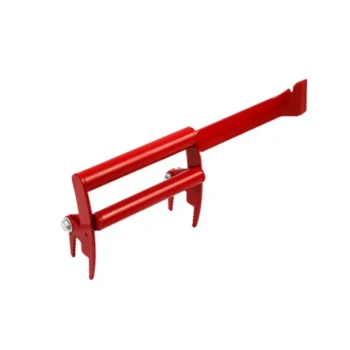
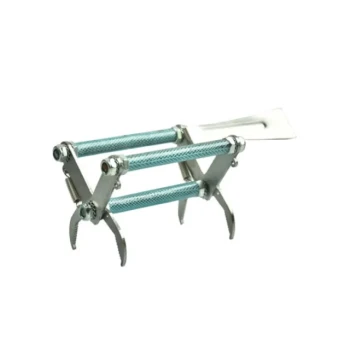
Frame-type in-hive feeders provide a high-fidelity method for simulating field pesticide exposure within a controlled experimental setting. By delivering sugar water solutions containing trace contaminants directly into the hive, researchers can mimic the natural ingestion of contaminated nectar without relying on artificial individual dosing.
Core Insight: The distinct advantage of this method is its ability to leverage the colony's natural social behaviors. By allowing bees to distribute the pesticide via food exchange (trophallaxis), researchers achieve a uniform exposure profile that realistically models the impact of chronic toxicity on collective colony health.
Replicating Natural Exposure Pathways
Mimicking Real-World Consumption
The primary benefit of frame-type feeders is ecological validity. Rather than force-feeding individual bees in a laboratory, this setup allows the colony to access the contaminated solution voluntarily, just as they would forage on nectar in the field.
Ensuring Uniform Distribution
Honeybees rely on social food exchange to feed the hive. When foragers collect the spiked syrup from the feeder, they process it and pass it to house bees, the queen, and larvae.
This mechanism ensures the pesticide is distributed throughout the entire population, rather than being limited to the specific bees that visited the feeder.
Reducing Environmental Variables
By locating the food source inside the hive, researchers minimize external risks. As noted in general beekeeping practices, internal feeders eliminate the need for bees to forage in adverse weather.
In a research context, this ensures that the observed effects are due to the chemical exposure, not environmental stressors like cold stress or resource scarcity.
Measuring Collective Impact
Assessing Colony-Level Cognition
Standard toxicity tests often look at individual mortality (how many bees die). However, frame-type feeders enable the study of sub-lethal effects on the colony as a superorganism.
This method reveals how long-term, low-dose exposure degrades the colony's "collective brain"—its ability to communicate, make decisions, and rear brood effectively.
Maintaining Social Structure
Laboratory cage studies often isolate bees, which causes stress and alters their physiology.
In-hive feeders allow the colony structure to remain intact. This ensures that the data reflects how a functioning society copes with chemical stress, rather than how isolated individuals react in a vacuum.
Understanding the Methodological Trade-offs
Variability in Individual Dosage
While the distribution is widespread, the exact dose per bee is harder to quantify than in individual pipette feeding.
Some bees may consume more syrup than others based on their role in the hive (e.g., a nurse bee vs. a guard bee). This method prioritizes population-level trends over precise individual dosimetry.
Complexity of Setup
Implementing frame feeders requires physical manipulation of the hive infrastructure.
Researchers must balance the need for internal feeding with the potential disturbance caused by inserting and refilling frames, which can temporarily disrupt colony homeostasis.
Making the Right Choice for Your Research
When designing a toxicology study, align your methodology with your specific endpoint:
- If your primary focus is Colony Dynamics: Use frame-type in-hive feeders to observe how social transmission of pesticides affects collective behavior and long-term survival.
- If your primary focus is Individual Toxicology: Opt for laboratory individual feeding to calculate precise LD50 values or measure exact physiological uptake per bee.
Ultimately, frame-type feeders offer the most accurate simulation of how a colony naturally encounters and processes environmental contaminants.
Summary Table:
| Feature | Benefit for Toxicology Research |
|---|---|
| Ecological Validity | Mimics natural nectar ingestion within the hive environment. |
| Social Distribution | Leverages trophallaxis for uniform exposure across the population. |
| Sub-lethal Analysis | Enables study of collective cognition and long-term colony health. |
| Reduced Stress | Maintains natural social structure compared to isolated lab cages. |
| Environmental Control | Minimizes external variables like weather or resource scarcity. |
Elevate Your Beekeeping Operations with HONESTBEE
At HONESTBEE, we understand that whether you are conducting precision research or managing large-scale commercial apiaries, having the right equipment is essential for success. We cater to commercial apiaries and distributors worldwide with a comprehensive wholesale offering designed to meet the demands of modern beekeeping.
Our extensive portfolio includes:
- Specialized Machinery: High-efficiency hive-making and honey-filling machines.
- Essential Hardware: Professional-grade beekeeping tools and durable equipment.
- Industry Consumables: A wide array of essentials to keep your colonies thriving.
- Cultural Merchandise: Unique honey-themed products to expand your brand's reach.
Partner with a supplier that values quality and performance as much as you do. Contact HONESTBEE today to discuss your wholesale needs and let us help you scale your operations with industry-leading solutions.
References
- Théotime Colin, Andrew B. Barron. The miticide thymol in combination with trace levels of the neonicotinoid imidacloprid reduces visual learning performance in honey bees (Apis mellifera). DOI: 10.1007/s13592-020-00737-6
This article is also based on technical information from HonestBee Knowledge Base .
Related Products
- In-Hive Dual Compartment Frame Bee Feeder for Targeted Colony Nutrition
- 3.5L Plastic Beehive Frame Feeder Deep Frame Water Feeder for In Hive Use
- Professional In-Hive Frame Bee Feeder by HONESTBEE
- Professional In-Hive Bee Feeder HONESTBEE Frame for Beekeeping
- Wooden Bee Hive Frames for Beekeeping and Wholesale
People Also Ask
- What are the advantages of using a frame feeder for bee colonies? Boost Growth and Prevent Robbing Efficiently
- Why should sugar syrup or dry sugar not be left out in the open when feeding bees? Avoid a Dangerous Feeding Frenzy
- What precautions should be taken when feeding bees inside the hive? Safeguard Your Colony from Robbing and Leaks
- How do in-hive feeders support honey bee colonies during autumn? Ensure Overwintering Success for Your Apiary
- How do high-quality in-hive feeders assist in managing bee colonies during pesticide contamination? Protect Your Apiary