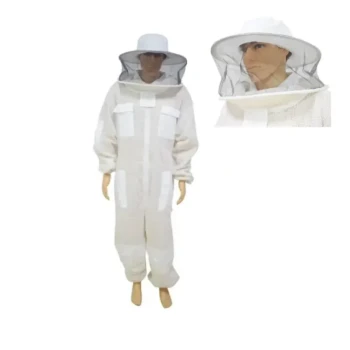
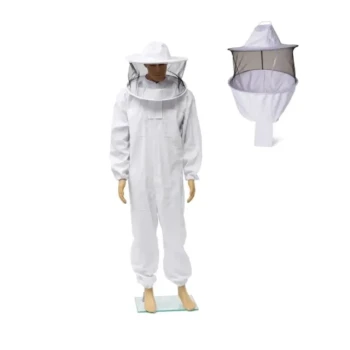
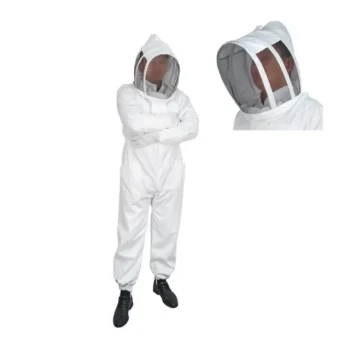
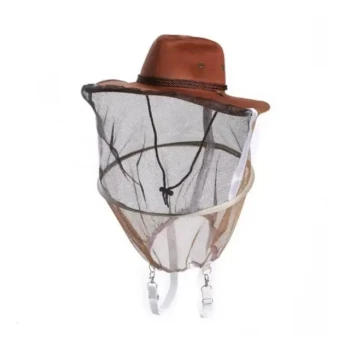
A standard bee suit is typically engineered from a durable polyester-cotton blend designed to resist stings while maintaining a degree of comfort and breathability. These garments function as a comprehensive barrier system, utilizing a one-piece coverall or jacket design fortified with specialized closures—such as elastic cuffs, zippered ankles, and thumb loops—to eliminate gaps where bees could enter.
The effectiveness of a bee suit relies not just on fabric thickness, but on the integrity of its seals; a suit made of sting-resistant material is useless if a single gap at the wrist or ankle allows a bee to enter.
The Foundation of Suit Construction
Material Composition
The core of a standard bee suit is usually a polyester-cotton blend. This fabric choice is strategic, balancing the need for rugged durability against the necessity of comfort during physical labor.
Full-Body Coverage
A standard suit is designed as a one-piece garment, often referred to as a coverall. This continuous design eliminates the separation between pants and shirts, removing a major potential entry point for insects at the waist.
Utility and Storage
Modern designs acknowledge that beekeeping is tool-intensive work. Consequently, suits frequently feature large pockets to hold tools like hive scrapers or queen cages, allowing you to work efficiently without constantly returning to your toolbox.
Critical Entry Prevention Features
The Veil Attachment
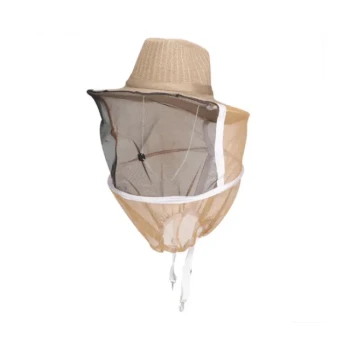
The most vital protective element is the veil, which shields the face and neck while maintaining visibility. Crucially, this component typically connects to the suit via a secure zipper mechanism to ensure a complete seal around the vulnerable neck area.
Wrist and Hand Security
Hands are high-risk targets for stings, making the wrist seal paramount. Suits utilize elastic bands at the cuffs to ensure a snug fit, often supplemented by thumb holes that keep the sleeves from riding up and exposing skin.
Ankle Fortification
To prevent bees from crawling up the legs, suits employ elastic bands or zippers at the ankles. For enhanced protection, standard setups may also include boot covers to seal the gap between the pant leg and the shoe.
Common Pitfalls to Avoid
Neglecting the Seals
The most common failure point in a bee suit is not the fabric, but the closures. Wearing a suit without properly securing the zippers or ensuring the elastic is tight against the skin renders the protective features ineffective.
Ignoring Fabric Maintenance
Over time, suits accumulate honey, propolis, and sweat, which can degrade the material. Failing to wash the suit after use or ignoring small tears can lead to structural failures, turning a protective garment into a safety hazard.
Making the Right Choice for Your Goal
To select the right equipment, you must prioritize based on your specific operational needs:
- If your primary focus is safety: Prioritize suits with redundant sealing features, such as thumb loops and boot covers, to eliminate all potential gaps.
- If your primary focus is longevity: Look for a high-quality polyester-cotton blend and commit to a strict maintenance schedule of washing and inspecting for tears after every use.
- If your primary focus is utility: Select a modern design that specifically highlights large, accessible pockets to keep your essential tools within reach.
A quality bee suit is not merely clothing; it is a piece of safety infrastructure that requires correct fit and maintenance to function.
Summary Table:
| Feature Category | Standard Component | Primary Function |
|---|---|---|
| Material | Polyester-Cotton Blend | Balances sting resistance with breathability and durability. |
| Design | One-Piece Coverall | Eliminates waist gaps and provides full-body protection. |
| Facial Protection | Zipper-Attached Veil | Shields the face and neck with a secure, gap-free seal. |
| Closure Systems | Elastic Cuffs & Thumb Loops | Prevents sleeves from riding up and bees from entering wrists. |
| Ankle Security | Elastic/Zippered Ankles | Stops bees from crawling up legs; often used with boot covers. |
| Utility | Large Tool Pockets | Provides convenient storage for hive scrapers and queen cages. |
Elevate Your Beekeeping Operations with HONESTBEE
At HONESTBEE, we understand that for commercial apiaries and professional distributors, reliability is non-negotiable. We offer a comprehensive wholesale portfolio ranging from high-durability protective bee suits to specialized honey-filling machinery and hive-making equipment.
Why partner with HONESTBEE?
- Industry-Leading Quality: Our gear is designed to withstand the rigors of large-scale beekeeping.
- Complete Supply Chain: From essential consumables to honey-themed cultural merchandise, we are your one-stop shop.
- Scalable Solutions: We cater specifically to the needs of distributors and commercial enterprises worldwide.
Ready to secure top-tier equipment for your business? Contact us today to discuss our wholesale offerings and discover how we can help your apiary thrive.
Related Products
- Premium Three Layer Ventilated Bee Suit with Round Veil
- Professional Beekeeper Suit with Square Folding Cotton Veil
- Professional Beekeeping Suit for Kids and Girls Childrens Bee Keeper Suit
- Three-Layer Ventilated Beekeeper Suit with Structured Fencing Veil
- Professional Cotton Beekeeper Suit with Round Veil Design for Commercial Apiaries
People Also Ask
- What are the features of a ventilated bee suit? Stay Cool and Protected in Hot Weather
- What is the function of professional protective consumables? Scale Your Apiary with Ventilated Bee Suits
- What should be considered when purchasing a ventilated bee suit? Ensure Maximum Safety and Comfort
- What is the advantage of ventilated bee suits over traditional ones? Stay Cool and Protected with Mesh Technology
- What materials are used in ventilated bee suits? Choose Between 3-Layer Mesh & Foam for Optimal Protection