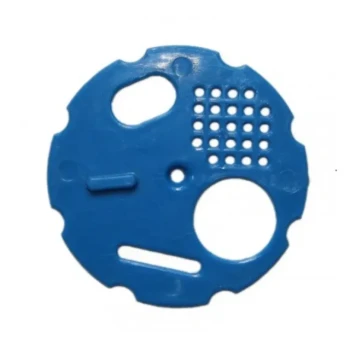
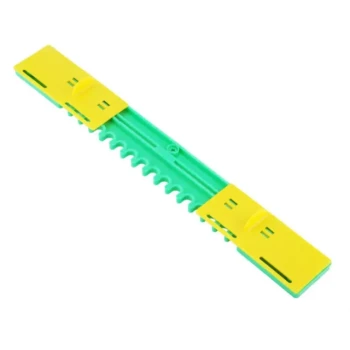
Selecting the right entrance reducer requires evaluating three primary variables: the physical dimensions of your hive, your local climate conditions, and the specific predators threatening your apiary. By analyzing these factors, you ensure the device provides a secure fit, appropriate ventilation, and an effective barrier against pests.
The ideal entrance reducer acts as a dynamic gatekeeper; it shrinks the defensive perimeter to help small colonies repel intruders and conserve heat, yet must be adjustable to allow necessary airflow as temperatures rise.
Adapting to Climate Conditions
Managing Heat Retention
In colder regions, your primary objective is energy conservation. A reducer with a smaller opening minimizes the amount of cold air entering the hive.
This helps the colony maintain its internal cluster temperature without exhausting its honey stores.
Optimizing Air Circulation
Conversely, warmer climates demand a focus on airflow to prevent the hive from overheating.
If you are in a hot region, you should select a reducer or orientation that offers a larger opening. This facilitates the ventilation required to cool the hive and cure honey.
Addressing Local Predator Threats
Deterring Rodents
You must assess the local fauna to determine if mice are a significant threat.
If mice are problematic in your area, standard wooden reducers may not be sufficient as rodents can chew through them.
Utilizing Mouse Guards
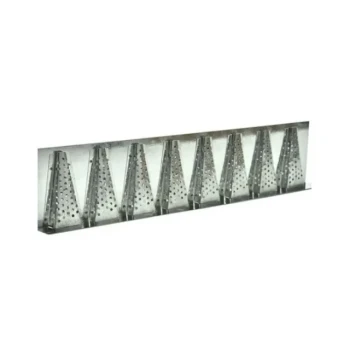
For high-threat areas, the primary reference suggests choosing a reducer specifically designed with smaller holes, often referred to as a mouse guard.
These are typically metal and effectively prevent rodents from entering the hive to nest during the winter months.
Ensuring Proper Fit and Function
Matching Hive Dimensions
The size of your hive box is a critical logistical factor.
You must ensure the reducer corresponds to your specific equipment (e.g., 8-frame vs. 10-frame) to guarantee a tight fit. A loose reducer leaves gaps that compromise the protection of the colony.
Supporting Colony Defense
Beyond the physical box size, consider the size of the colony inside the box.
New or weak colonies lack the workforce to defend a wide entrance. A reducer is essential here to restrict the entrance to a manageable size, preventing "robbing" by other bees and intrusion by pests.
Common Pitfalls to Avoid
The Ventilation vs. Defense Trade-off
The most common mistake is failing to adjust the reducer as seasons change.
Leaving a small entrance during a nectar flow in high heat can cause congestion and overheating.
The Risk of Moisture Buildup
While restricting the entrance keeps heat in, it can also trap moisture generated by the bees' respiration.
In damp winter climates, a reducer that is too restrictive without upper ventilation can lead to lethal condensation inside the hive.
Making the Right Choice for Your Goal
Based on your specific environment and colony status, apply these guidelines:
- If your primary focus is overwintering: Prioritize a mouse guard or a reducer with the smallest opening to exclude rodents and retain heat.
- If your primary focus is a new colony: Select a reducer that restricts the entrance significantly to help the small workforce defend against robbing bees.
- If your primary focus is summer management: Utilize the largest setting or remove the reducer entirely to maximize airflow and reduce traffic congestion.
Select the tool that balances the colony's immediate need for defense with its biological requirement for climate control.
Summary Table:
| Factor | Key Consideration | Recommended Action |
|---|---|---|
| Climate | Heat retention vs. Airflow | Use small openings for winter; larger openings/ventilation for summer. |
| Predators | Rodents and Robbers | Install metal mouse guards in high-threat areas; restrict access for weak colonies. |
| Hive Size | Equipment Compatibility | Match reducer length to 8-frame or 10-frame hive dimensions for a snug fit. |
| Colony Strength | Workforce Capacity | Use smaller entrances for new or weak colonies to prevent robbing. |
Maximize Your Apiary Productivity with HONESTBEE
At HONESTBEE, we understand that the right equipment is the foundation of a thriving beekeeping business. As a premier partner for commercial apiaries and distributors, we provide a comprehensive wholesale range of professional-grade beekeeping tools and machinery.
From durable entrance reducers and mouse guards to advanced honey-filling machines and hive-making hardware, our portfolio is designed to enhance your operational efficiency and colony health. Whether you are scaling your production or stocking a distribution network, our high-quality industry consumables and honey-themed merchandise offer the competitive edge you need.
Ready to elevate your beekeeping operations?
Contact HONESTBEE Today to discuss our wholesale offerings and discover how our expertise can support your growth.
Related Products
- Steel Round Disc Entrance Reducer for Flexzion Bee Hive Nuc Box Gate
- Beehive Entrance Reducer Guardian Metal Hive Entrance for Bees
- White Plastic 0.5L Beekeeping Entrance Feeder for Bees
- Beehive Entrance Discs Plastic Bee Entrance Disc for Bee Hives
- Professional Hive Front Entrance Bee Feeder
People Also Ask
- What is the purpose of an entrance reducer for a beehive? Strengthen Colony Defense and Prevent Robbery
- Why are entrance reducers used to counter hornet infestations? Protect Your Hive with Strategic Choke Points
- Why is it critical to maintain a smaller entrance for a newly established bee hive? Boost Colony Growth and Security
- Under what conditions should a beekeeper adjust the size of a beehive entrance? Seasonal & Defense Management Tips
- What is the function of an entrance reducer on a beehive? Strengthen Colony Defense and Climate Control