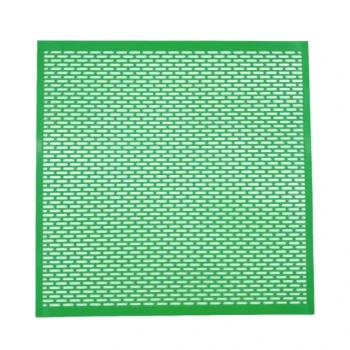
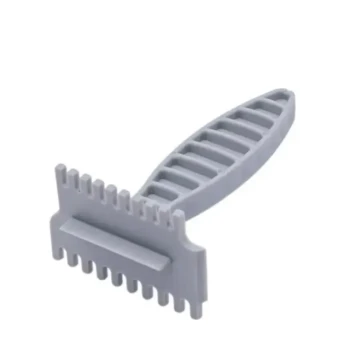
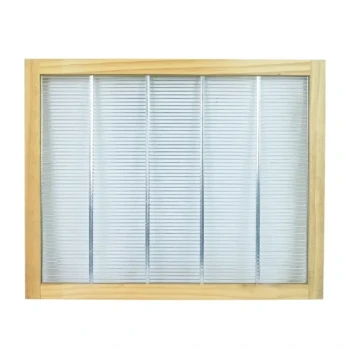
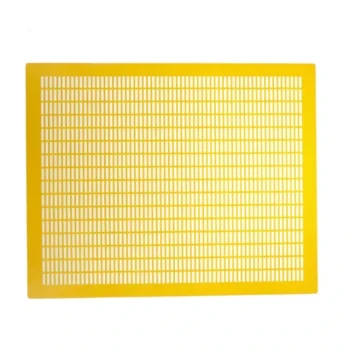
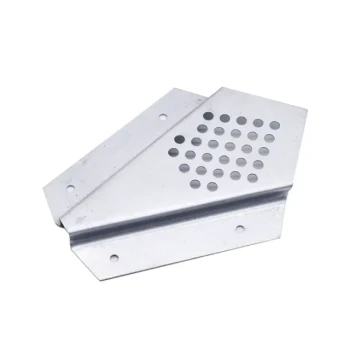
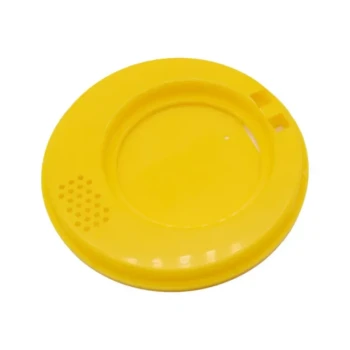
A queen excluder is a selective barrier grid, typically made of metal or plastic, placed between the hive bodies to restrict the movement of the queen bee. While it serves a specific function in managing the hive's layout, it is strictly optional and is not a mandatory requirement for successful beekeeping.
The primary purpose of a queen excluder is to confine the queen to the lower brood chambers, preventing her from laying eggs in the upper "supers" meant for honey storage. Its use is a trade-off: it guarantees brood-free honey but adds a physical barrier that some argue may slow down nectar collection.
How the Excluder Works
A Filter Based on Size
The excluder functions as a physical filter. It features a precise grid with spacing—typically around 4.2 millimeters—that allows the smaller worker bees to pass through freely.
However, the gaps are too narrow for the queen and the drones (male bees) to fit through due to their larger thoraxes.
Strategic Placement
Beekeepers place this grid horizontally between the brood nest (usually the bottom one or two boxes) and the honey supers (the upper boxes).
This creates a designated "upstairs" for honey storage and a "downstairs" for raising baby bees (brood).
Why Beekeepers Use Them
Ensuring "Clean" Honey
The most significant benefit is keeping the honey supers free of eggs and larvae.
When you harvest honey, you do not have to worry about extracting brood or filtering out larvae, ensuring the frames contain 100% pure honey.
Simplifying Hive Inspections
Because the queen is physically unable to leave the lower boxes, you know exactly where she is.
This eliminates the need to search through the upper honey supers during inspections or when you need to locate the queen for requeening.
Pest Management
Separating the brood from the honey can help control pests like wax moths.
Wax moth larvae are attracted to the protein in old brood cocoons; by keeping brood out of the honey supers, you make those frames less attractive to pests during storage.
Understanding the Trade-offs
The "Honey Excluder" Effect
Opponents of the device sometimes refer to it as a "honey excluder."
The argument is that the grid acts as a traffic jam, making it difficult for worker bees to move upward with nectar. If the workers feel restricted, they may store honey in the brood nest instead or fill the supers more slowly.
Drone Entrapment
Because drones are larger than workers, they cannot pass through the excluder.
If an excluder is placed while drones are already in the upper boxes, or if there is an upper entrance they use to enter, they will be trapped above the grid and will eventually die there, as they cannot return to the brood nest.
Making the Right Choice for Your Apiary
The decision to use an excluder depends on your specific goals and management style.
- If your primary focus is pristine honey extraction: Use an excluder to guarantee that your honey frames remain completely free of brood and cocoons.
- If your primary focus is maximum colony speed and honey volume: Consider skipping the excluder to allow unrestricted movement for the worker bees, but be prepared to sort through frames during harvest.
- If your primary focus is ease of management: Use an excluder to save time during inspections by limiting the search area for the queen to the lower boxes.
Ultimately, the queen excluder is a tool of convenience, not necessity—use it if it solves a problem for you, and skip it if it creates one.
Summary Table:
| Feature | Queen Excluder (Used) | No Excluder (Natural) |
|---|---|---|
| Honey Quality | 100% pure honey, brood-free | Potential for eggs/larvae in supers |
| Queen Location | Confined to lower brood boxes | Free to roam throughout the hive |
| Harvest Ease | Highly efficient and clean | Requires sorting through frames |
| Bee Traffic | Slight restriction (Grid barrier) | Unrestricted movement for all bees |
| Pest Control | Helps deter wax moths in supers | Standard pest management required |
Maximize Your Apiary Productivity with HONESTBEE
Whether you prioritize pristine honey extraction or maximum colony speed, having the right equipment is essential for success. HONESTBEE specializes in supporting commercial apiaries and distributors with high-quality, wholesale beekeeping solutions.
From precision-engineered queen excluders and specialized hardware to advanced honey-filling machines and hive-making equipment, we provide the full spectrum of tools and consumables your business needs to thrive.
Ready to scale your operation? Contact us today to discover how our comprehensive wholesale offering and industry expertise can add value to your beekeeping business.
Related Products
- High Performance Plastic Queen Excluder for Beekeeping and Apiary Management
- Lightweight Durable Plastic Queen Excluder Scraper for Beekeeping
- Premium Wood Framed Metal Wire Queen Bee Excluder
- Professional Plastic Queen Excluder for Modern Beekeeping
- Metal Queen Bee Excluder for Beekeeping
People Also Ask
- What are the characteristics of a plastic queen excluder? Key Benefits for Cost-Effective Beekeeping
- What are the operational and cost advantages of using plastic queen excluders over metal or wire excluders in commercial hive management? Discover how they reduce labor, prevent wing damage, and lower total costs.
- What types of queen excluders are available for beekeepers? Choose the Right Tool for Your Hive
- Why are standardized hive frames and queen excluders essential for maintaining honey purity and quality? Scale Your Purity
- Do plastic queen excluders work? A Cost-Effective Solution for Modern Apiaries