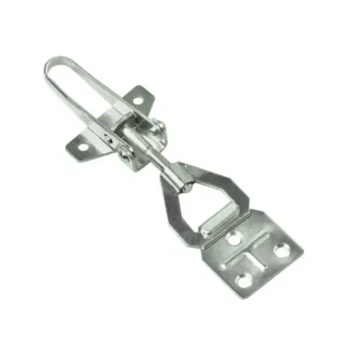
Bee colony transport equipment serves as the critical logistical safeguard that bridges the gap between beekeeping and industrial agriculture. Its primary function is to utilize shock absorption and temperature control technologies to maintain high survival rates during long-distance transit, ensuring that stingless bee colonies are healthy enough to immediately resume foraging upon deployment.
The core value of this equipment lies not just in transportation, but in biological readiness. By minimizing stress during travel, these systems ensure colonies can rapidly recover and begin pollinating immediately, directly driving higher fruit set rates and improved quality for high-value crops.
Ensuring Colony Viability During Transit
Mitigating Physical Stress
The vibration and impact associated with long-distance travel can be devastating to delicate stingless bee colonies. Shock absorption technology is integrated into the transport equipment to dampen these physical forces.
This protection is essential for preventing structural collapse within the hive and minimizing physical injury to the bees. Without this stability, the colony would arrive in a state of shock, significantly delaying the start of pollination activities.
Controlling the Internal Environment
Fluctuations in temperature during transport can be lethal or cause the colony to expend excessive energy regulating the hive heat. Temperature control systems maintain a stable internal climate regardless of external weather conditions.
By keeping the environment consistent, the equipment preserves the colony's energy reserves. This ensures that the bees retain their vitality for the immediate labor required upon arrival at the crop site.
Facilitating Rapid Recovery
The ultimate metric of success for this equipment is the speed of colony recovery. Specialized transport tools are designed to allow bees to resume foraging and pollination activities almost immediately after deployment.
This rapid activation is crucial for crops with tight flowering windows, such as durian and watermelon. A colony that requires days to recover from travel stress results in missed pollination opportunities and reduced yield.
Optimizing Logistics for Commercial Agriculture
Synchronization with Peak Flowering
Agricultural efficiency relies on timing. Specialized palletized equipment allows for the rapid, cross-regional movement of thousands of colonies to match the peak flowering periods of specific crops.
This mobility solves the problem of local pollinator deficits in large-scale operations. It enables growers to import "pollination power" exactly when crops like coffee, beans, and corn are most receptive, improving genetic diversity and seed set rates.
Standardization and Scalability
Modern transport equipment often utilizes standardized, modular beehive designs. This infrastructure significantly reduces the complexity of manual loading and daily maintenance.
Modular designs make it possible to stack and secure hives efficiently for mass transport. This transforms pollination from a manual, small-scale task into a scalable industrial process capable of servicing vast commercial orchards.
Understanding the Trade-offs
Equipment Complexity and Cost
While specialized transport gear improves survival rates, it introduces higher upfront costs compared to traditional, static beekeeping methods. The integration of shock absorption and temperature controls requires significant capital investment.
Maintenance Requirements
The technology involved in maintaining a controlled environment adds a layer of operational complexity. Mechanical failure in temperature control systems during a long trip can result in catastrophic colony loss, necessitating rigorous maintenance schedules.
Biological Limitations
Even with the best equipment, transportation remains a stressor for live insects. There is a biological limit to how frequently a colony can be moved without impacting its long-term health and reproductive viability. Over-transporting colonies in pursuit of multiple crop cycles can eventually degrade the hive's population density.
Making the Right Choice for Your Goal
To maximize the benefits of integrated agricultural pollination, align your equipment choice with your specific operational focus:
- If your primary focus is Fruit Quality and Yield: Prioritize equipment with advanced shock absorption and temperature control to ensure bees arrive with maximum energy for immediate pollination.
- If your primary focus is Large-Scale Operations: Focus on modular, palletized systems that allow for the efficient logistics of moving thousands of hives to match peak flowering windows.
By treating transport equipment as a precision tool rather than a simple shipping container, you convert the biological potential of stingless bees into a reliable, scalable agricultural asset.
Summary Table:
| Key Feature | Primary Function | Agricultural Benefit |
|---|---|---|
| Shock Absorption | Mitigates physical vibration & stress | Prevents hive collapse & colony shock |
| Temperature Control | Maintains stable internal climate | Preserves bee energy & vitality for foraging |
| Modular Design | Facilitates stacking & mass transport | Enables scalable pollination for large orchards |
| Rapid Deployment | Allows immediate foraging activity | Maximizes fruit set during peak flowering |
Maximize Your Harvest with HONESTBEE Professional Logistics Solutions
Transition from traditional beekeeping to industrial-scale agricultural success. HONESTBEE specializes in supporting commercial apiaries and distributors with high-performance beekeeping tools, machinery, and essential consumables. Whether you need specialized hardware like hive-making and honey-filling machines to scale your production, or robust transport equipment to service large-scale pollination contracts, we provide the comprehensive wholesale solutions your business demands.
Partner with HONESTBEE to ensure your colonies arrive healthy, energetic, and ready to work.
Contact Our Wholesale Experts Today
References
- D N A Wahid, Mohd Khalizan Sabullah. Visualization of the Stingless Bee Research in Southeast Asia Region through Bibliometric Analysis using Scopus Database from 1984 to 2022. DOI: 10.11113/mjfas.v20n2.3058
This article is also based on technical information from HonestBee Knowledge Base .
Related Products
- Plastic Transporting Bee Packages and Nuc Boxes for Beekeeping
- Portable Queen Bee Incubator with 12V Car Adapter for Safe Transport
- Professional Queen Bee Introduction and Transport Cage
- Durable Plastic Interlocking Hive Connector for Beekeeping
- JZBZ Style Professional Battery Box with 20 Shipping Cages
People Also Ask
- What role do bee package boxes play in the commercial transport and expansion of honeybee colonies? - Logistic Essentials
- What are beekeeping boxes called? A Guide to Hive Bodies and Box Types
- How do standardized bee packages serve as a recovery mechanism for commercial beekeeping? Ensure Business Continuity
- What is the commercial value of using standardized bee packages? Drive Scalability in Large-Scale Apiaries
- Why is the timely introduction of high-quality bee packages critical? Save Your Apiary from Asian Hornet Invasions